






 Portuguese
  Spanish
 6 min of reading
  1 comment


Espírito Santo Attracts Attention From Foreign Car Manufacturers With National Leadership In Vehicle Imports, Strategic Customs Infrastructure And Negotiations To Install Assembly And Customization Centers, Boosting The Local Automotive Industry.
Espírito Santo has advanced in talks to welcome car manufacturers from China and other countries within its territory, supported by customs infrastructure and a record performance in vehicle imports in the first half of 2025, when 123,577 cars entered Brazil through the ports of Espírito Santo and the state led the national ranking with US$ 2.4 billion in imported value.
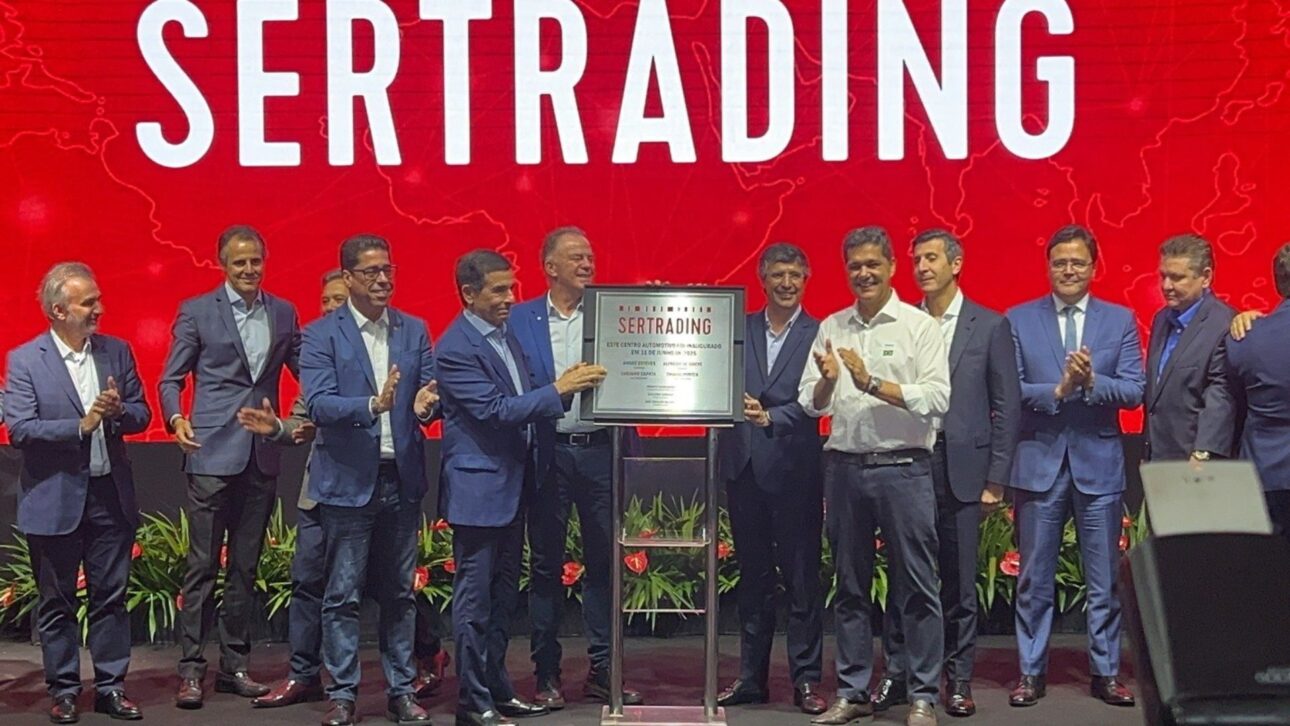
The announcement was made on June 11, during the inauguration of the new Automotive Center of Sertrading in Cariacica, when Governor Renato Casagrande confirmed discussions with foreign companies, especially Asian ones, to add productive stages in the state.
“We are already in dialogue with companies, especially Asian ones, that want to add value to the product here, whether through parts assembly, customization or final adaptation,” Casagrande stated.
-
Brazilian Freight Bill Progresses in Congress with $5,000 Minimum Wage, 70% Advance Payment, and Fines Up to $1 Million, as Agriculture and Industry Warn of Rising Costs and Legal Uncertainty

-
High Interest Rates and Record Defaults Lead to Surge in Vehicle Repossessions and Crowded Car Auctions in Brazil by 2026

-
São Paulo Offers Over 13,000 Job Openings: Opportunities in Industry, Logistics, and More Across the State
-
Brazil’s BNDES Allocates $65 Million to Fund 85,000 E-Bikes for App-Based Delivery Workers, Offering Purchase Discounts and Leasing Options to Boost Income and Improve Delivery Operations


According to him, the strategy is to leverage the logistics network in Espírito Santo and the already operational customs areas.
“We have a prepared structure here in ES, with customs stations and foreign trade zones that allow us to go beyond simple imports. We want to nationalize, assemble, customize, generate jobs and taxes here in Espírito Santo.”
Negotiations With Car Manufacturers And The Role Of ES In The Talks
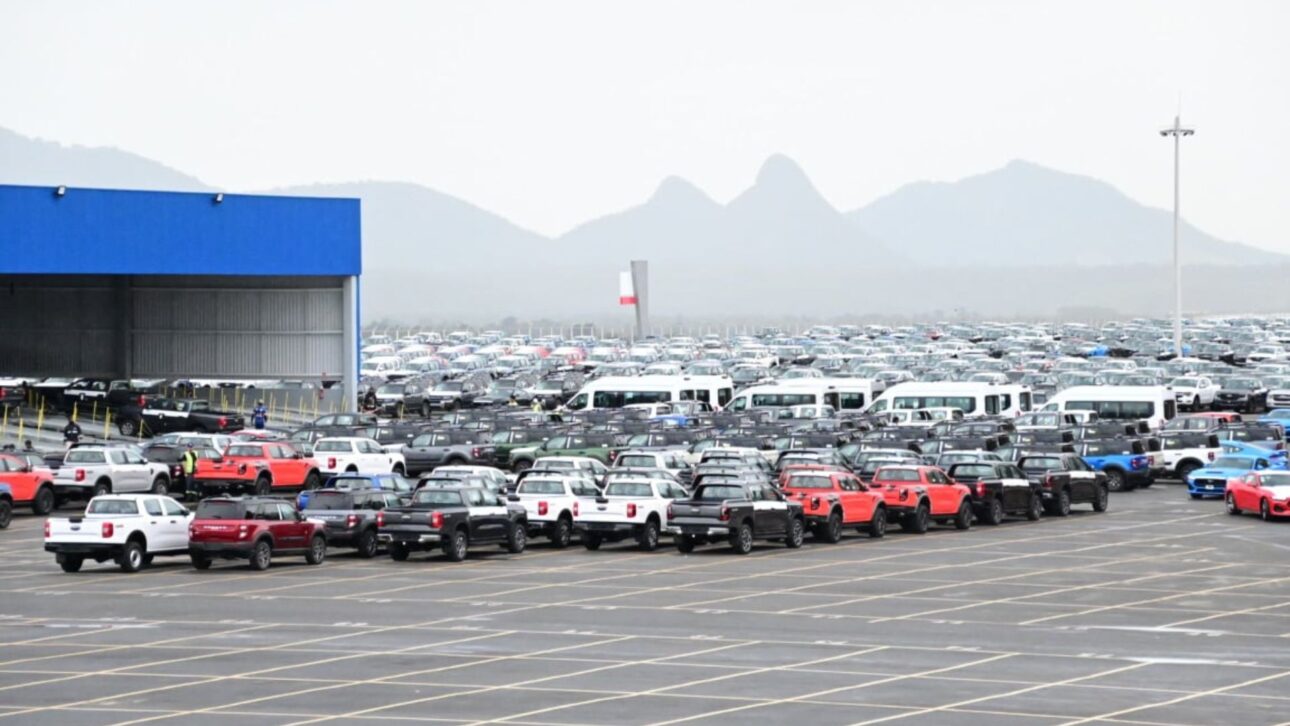
Conversations with foreign manufacturers are being organized with the support of the private sector, especially Sertrading, which operates integrated foreign trade solutions.
According to executives Alfredo de Goeye and Luciano Sapata, there is concrete interest from Chinese manufacturers to expand their presence in Brazil from Espírito Santo, given the combination of logistical costs, availability of areas, and operational agility.
The Chinese car manufacturers in Espírito Santo see the possibility of carrying out phases of assembly, customization, and nationalization, reducing deadlines and increasing competitiveness to supply the Brazilian market.
Customs Infrastructure As A Competitive Advantage
Espírito Santo has customs stations, processing zones, and specialized yards for vehicles.
This ecosystem allows the cargo to arrive, go through nationalization processes, and, if necessary, receive customizations before heading to dealerships in the country.
For the Chinese car manufacturers in Espírito Santo, this combination of infrastructure and regulation is attractive for partial assembly centers and after-sales, which can unlock investments and generate direct and indirect jobs in logistics, automotive services, and technology.
Historic Record Of Vehicle Imports In The Semester
Between January and June 2025, the ports of Espírito Santo received 123,577 vehicles.
In June alone, there were 54,592 units, nearly half of the semester’s volume.
The largest share of this flow is composed of electrified models — electric, hybrid, and plug-in hybrid — a movement influenced by the gradual reinstatement of import tariffs.
Starting from July 2025, the tariffs became:
- From 18% to 25% for electric cars
- From 25% to 30% for hybrids
- From 20% to 28% for plug-in hybrids
The sector’s expectation is that the demand for nationalization and local assembly will gain momentum to offset the additional cost generated by taxes, which reinforces the attractiveness of the Espírito Santo customs environment for value-added operations.
Espírito Santo Leads Imports By Value
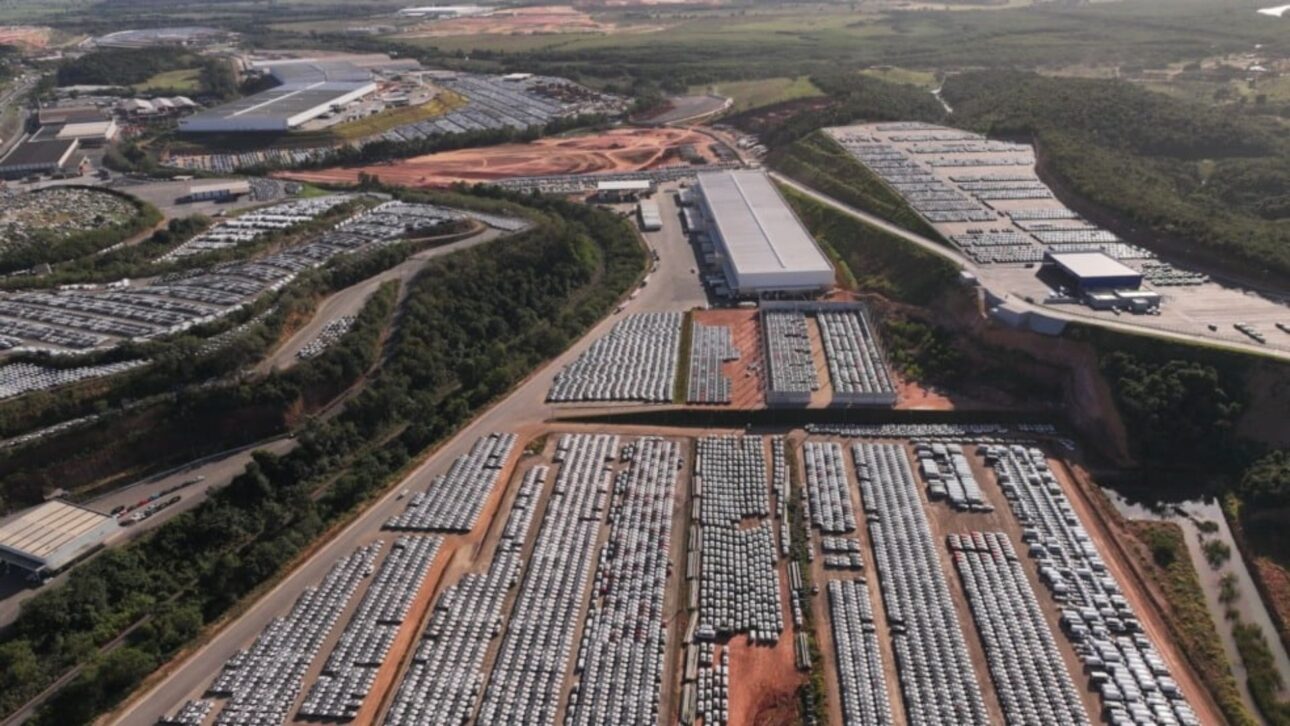
In the first half of 2025, the state recorded US$ 2,405,303,102 in vehicle imports (FOB values).
Rio Grande do Sul came in second with US$ 362,126,530, followed by Santa Catarina (US$ 339,585,938), Minas Gerais (US$ 286,550,675), and Paraná (US$ 240,421,682).
The gap between the leader and the second place highlights Espírito Santo’s dominance in this chain and reinforces the potential of Chinese manufacturers in Espírito Santo to establish operational bases.
China Drives Volumes And Expands Participation
China accounted for 105,626 vehicles unloaded in Espírito Santo between January and June 2025, totaling US$ 1,760,249,276.
There were also imports from Germany (4,593 units), Mexico (2,765), South Korea (2,206), and Japan (1,917), among other countries, totaling 16 origins in the semester.
This breakdown reinforces that the Chinese automotive industry in Espírito Santo is now the main driver of volumes and, consequently, the appetite for local assembly and adaptation solutions.
For the Chinese manufacturers in Espírito Santo, the Espírito Santo logistics corridor offers capillarity and competitive clearance deadlines, with yards that can handle large spikes in arrivals.
Bet On Value Chain And Jobs
The governor’s speech emphasizes the intention to go beyond the unloading and sale of ready vehicles.
The proposal is to attract industrial phases that expand the value chain in the Espírito Santo territory.
With nationalization and customization, the goal is to create skilled jobs and increase revenue.
The Chinese manufacturers in Espírito Santo are evaluating, according to sector interlocutors, operational models that involve assembling subassemblies, installing specific kits for the Brazilian market, and preparing software and hardware for electrified vehicles.
Sertrading As A Bridge And Confidence From The Financial Market
Sertrading, which inaugurated a new Automotive Center on the Rodovia do Contorno in Cariacica, has operated as a bridge to facilitate discussions.
Casagrande highlighted that the company is “an important bridge in these negotiations” and that the government is working “with caution,” avoiding premature announcements that could disrupt ongoing negotiations.
During the event, banker André Esteves praised the local governance and the long-term horizon.
“When I see the management here in the State, with responsibility and vision for the future, it gives me confidence. BTG believes in the Brazil being built here. And our role is to support companies to take the next step. What we see here today is a clear example of the Brazil we want to build: modern, efficient, and full of potential.”
This type of statement reinforces the view that the business environment and the Espírito Santo customs infrastructure favor industrial and logistical investments, especially when connected to manufacturers with a strong portfolio of electrified products.
Detailing The Numbers Of The Semester
Of the total 123,577 vehicles imported in the semester, 54,592 arrived in June alone, showing an atypical monthly concentration to meet tax and demand windows.
In value, Espírito Santo’s leadership (US$ 2.4 billion) comfortably surpassed the sum of traditional states on this route, such as Rio de Janeiro (US$ 191.6 million) and São Paulo (US$ 7.9 million).
In terms of origin, in addition to China, notable mentions include Germany (US$ 198.9 million), Slovakia (US$ 93.7 million), and United States (US$ 47.1 million).
This mosaic of countries indicates that Espírito Santo is not only concentrating on Chinese brands, even though the Chinese automotive industry in Espírito Santo is the dominant force during this period.
What Changes With The New Tariffs
The reinstatement starting in July 2025 tends to change the import mix.
Manufacturers and importers may anticipate shipments to escape the new rates and then seek alternatives that lower costs, such as nationalization of components and local assembly.
In this context, the Chinese manufacturers in Espírito Santo gain strategic relevance: the proximity to the port, prepared yards, and customs areas act as a buffer for deadlines and costs in a more demanding tax scenario.
Next Steps And Transparency In The Negotiations
The state government announced that negotiations are taking place under confidentiality and that “any hasty announcement could disrupt negotiations.”
So far, no manufacturers’ names or installation timelines have been disclosed.
If there is official confirmation, the expectation is that the projects will include stages for customization, assembly, and final adaptation, creating synergy between logistics operators, auto parts suppliers, and the automotive retail sector.
Given the scenario, the question that remains is: with reinstatement underway and consolidated logistical leadership, which automotive production stages will companies choose to start in Espírito Santo — and within what timeframe?





Tomara que venha mais marcas da china e tomara que as montadoras volks se ****
De uma forma ou de outra sempre avesso aos elétricos