Portuguese
  Spanish


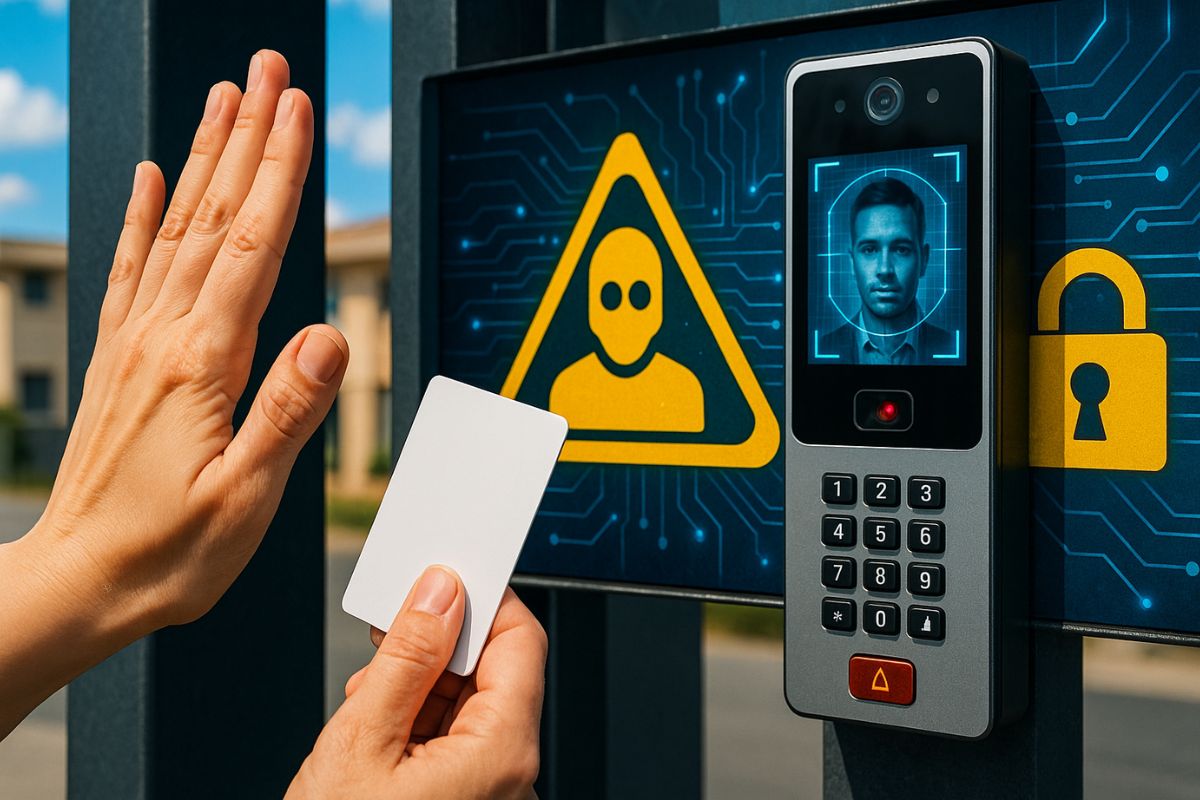


Resident Refuses Facial Registration In Condo And Exposes Privacy Risks. Case Raises Debate About Data Security, Misuse Of Biometrics And Residents’ Rights
A resident refuses facial registration in condo and reignites the discussion about personal data protection in Brazil. The case, which gained traction after the condo required the provision of biometric data for access to the building, exposed a sensitive issue: what happens when biometric information, which cannot be changed like a regular password, falls into the wrong hands.
The refusal came with a series of questions to the management, including details about the contracted company, data protection clauses, privacy policy, and security guarantees. Biometric data is a sensitive personal data protected by the General Data Protection Law (LGPD), and its use requires free, informed, and recorded consent — something that, according to experts, many condos ignore.
Why The Resident Refuses Facial Registration In Condo
The resident refuses facial registration in condo claiming that biometric data is a “password” that cannot be changed. If this data is leaked, there is no way to replace it, paving the way for scams and fraud. Previous cases show that residents’ biometric information has ended up on the Dark Web and been used to create accounts on GOV.BR, change tax residence, and even open fraudulent companies.
-
Farewell to Toilet Paper? New Technology Sparks Debate on Bathroom Habits

-
Young Entrepreneur Who Started Recycling Bottles at Age 3 Becomes Environmental Icon in the U.S.

-
Nivea Blue Tin Cream: Popular Post-Beach and Pool, But Pharmacist Warns About Missing Ingredients and Common Summer Mistakes Regarding UVA and UVB Protection.
-
Archaeologists Recover Colossal Structure Lost for Over 1,600 Years Under the Sea, Including 22 Monumental Blocks Weighing Up to 80 Tons, Intriguing Experts.



Additionally, the LGPD stipulates that the use of biometrics must be justified, proportional, and accompanied by security measures. It is not enough to post a notice in the elevator or hand over a generic term to sign — it is necessary to present a privacy policy, impact analysis, and guarantees against misuse.
Risks Of Indiscriminate Use Of Biometrics
According to experts, leaked biometric data fuels digital crime. With it, scammers can open bank accounts, sign electronic documents, and conduct transactions in the victim’s name. In some cases, building managers and administrators even ask for photos via messaging apps for “pre-registration,” a practice considered extremely insecure.
The resident refuses facial registration in condo also to alert about the difference between surveillance cameras and facial recognition systems. Monitoring common areas is different from collecting biometrics, which requires special handling due to involving sensitive data.
Residents’ Rights In The Face Of The Requirement
The National Data Protection Authority (ANPD) has stated that consent is the appropriate legal basis for the use of biometrics in condos. This means that the resident can refuse to provide it and, if they have already authorized it, can revoke consent at any moment and demand the deletion of their data.
In this case, after the refusal, the condo provided an access card (tag) as an alternative. This method is reversible and secure, since if lost, it can be replaced — unlike biometrics.
How To Protect Yourself
Experts recommend that when leaving a building or condo, the resident formally requests the deletion of their biometric data. Additionally, one should always question the existence of security policies, contracts with protective clauses, and measures against leaks.
The resident refuses facial registration in condo as a form of resistance and awareness. The case serves as a warning for building managers, administrators, and construction companies to adopt secure processes and comply with the legislation.
Would you agree to register your biometrics in the condo? Do you think the access card is safer? Leave your opinion in the comments — we want to hear from those who have gone through similar situations.