






 Portuguese
  Spanish


In the South Pacific, floating solar energy became a solution for an island with little land space, reducing imported diesel and clean generation over Tafua lagoon.
Tuvalu took 184 solar panels onto the water because the lack of land limits the expansion of clean energy in the South Pacific island country.
The structure was installed in the Tafua lagoon, in Funafuti, and was completed in 2023. The information was released by PNUD Pacific, the United Nations development program in the Pacific.
The system can generate about 174 MWh per year. This energy helps reduce part of the imported diesel used in the capital, without occupying land that is already scarce.
-
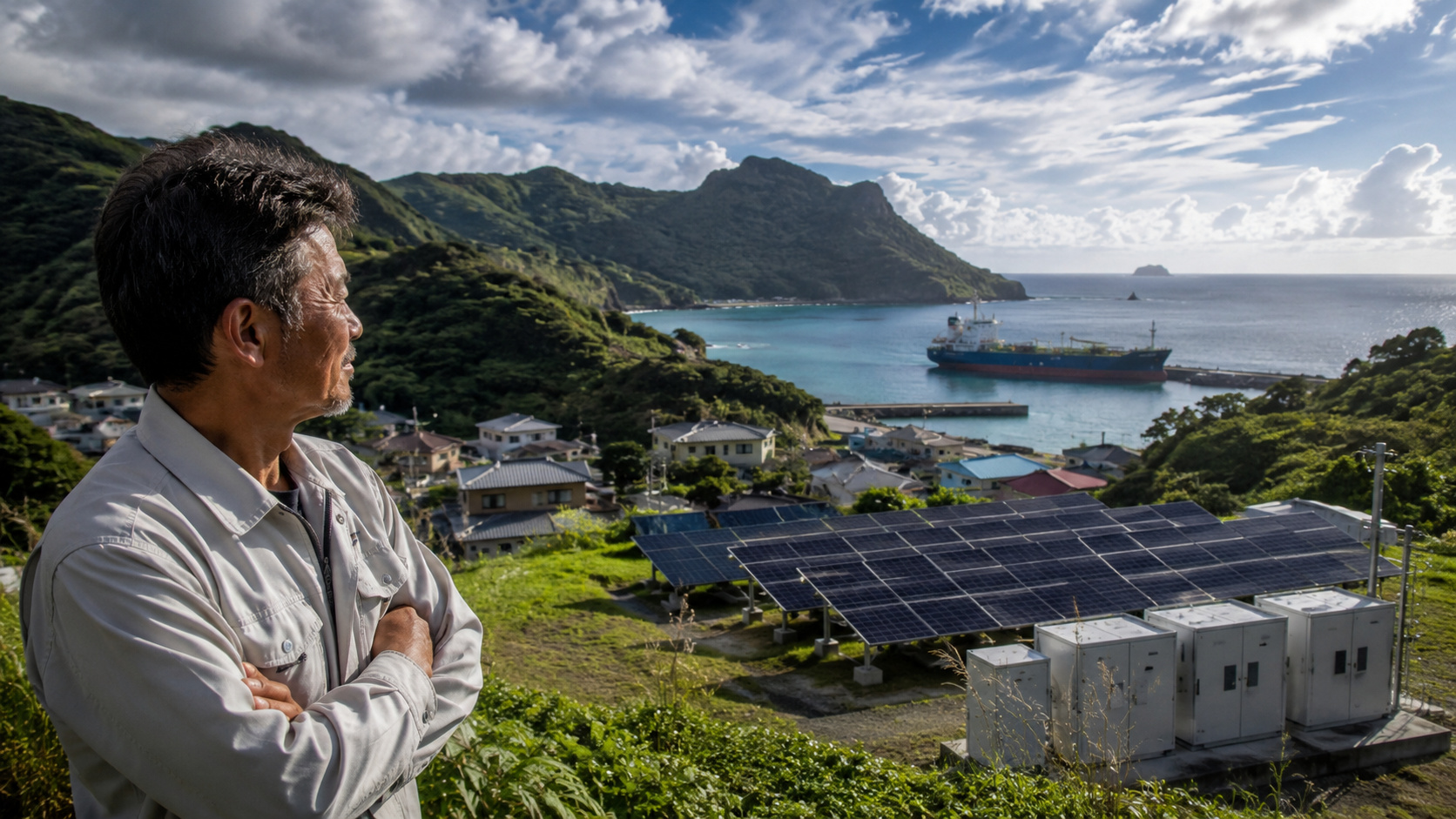
Japanese Island of 417 Residents to Test Living Half the Year Solely on Solar Power, Reducing Dependence on Diesel Brought by Ship

-
Brazilian Fishermen Use Solar Power to Produce Nearly One Ton of Ice Daily, Preventing Fish Spoilage Before Reaching Market
-
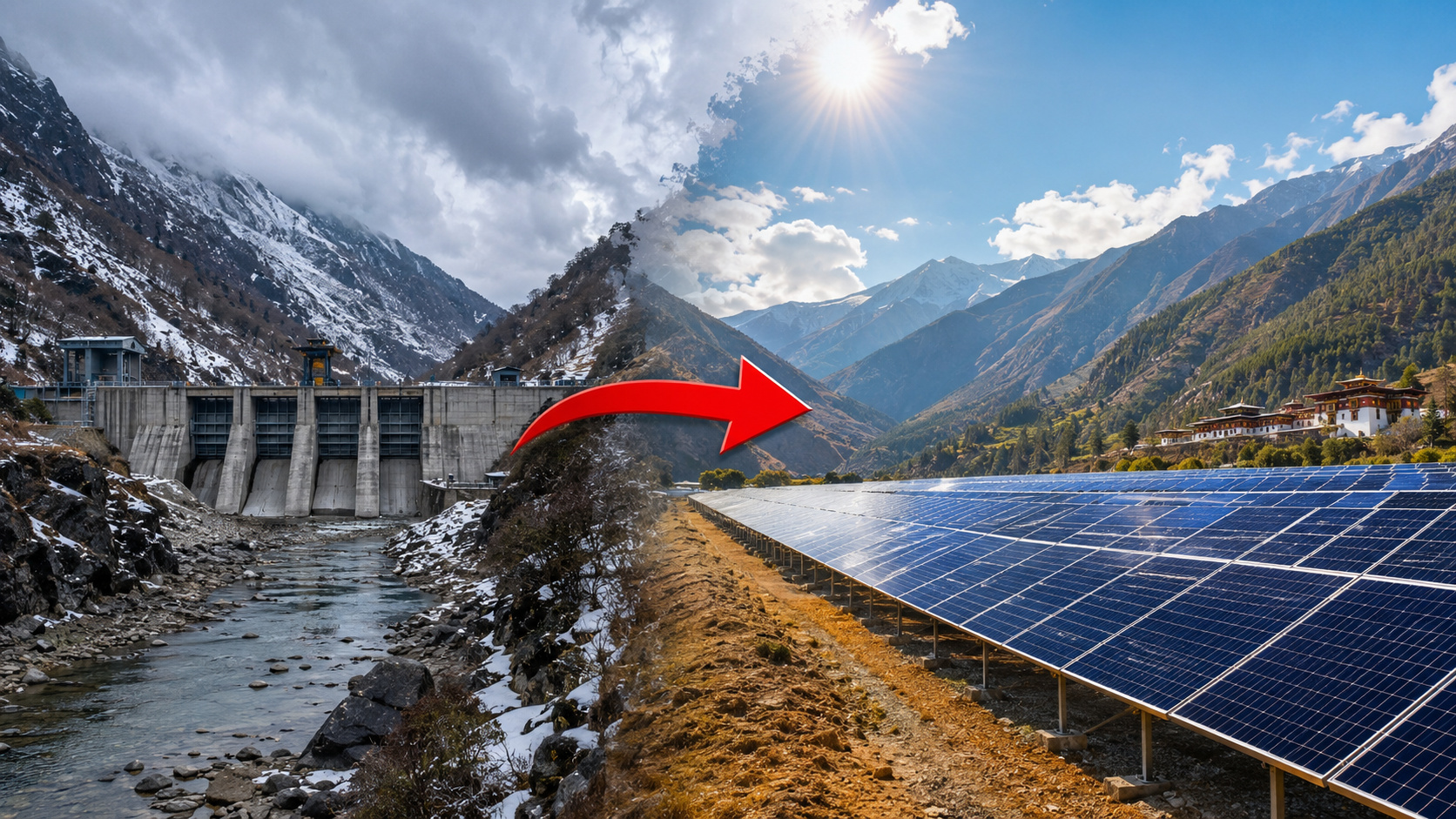
Brazil, known for its river-powered energy, installs solar plant in mountains to boost winter electricity production
-
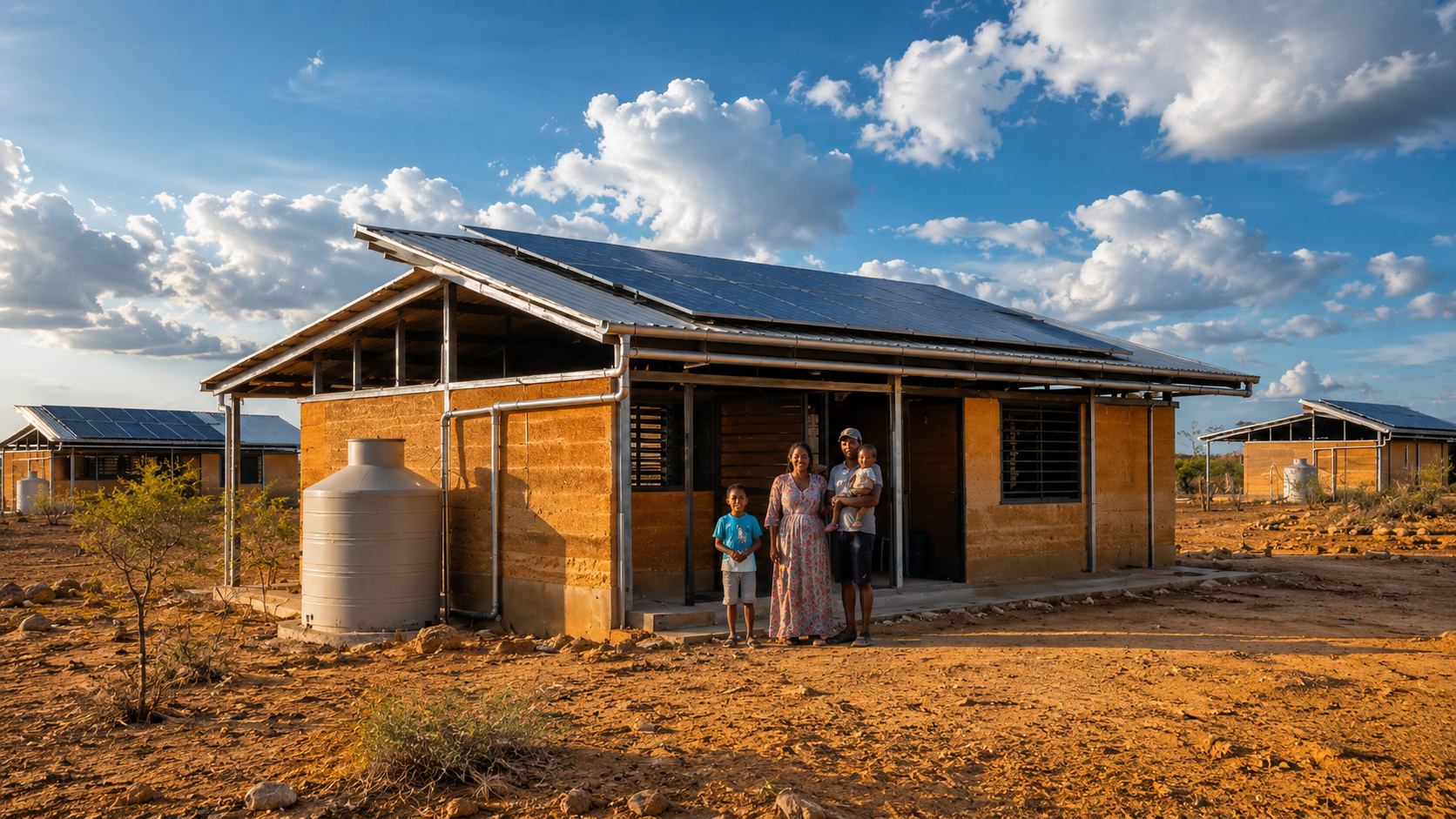
In Colombia’s desert, 30 families receive 80 m² homes with solar panels, waterless toilets, and rainwater collection systems amid water and energy shortages.

The lack of land led Tuvalu to use water as space for solar energy
Tuvalu is a country made up of small islands. In such areas, every piece of land needs to be well used for housing, circulation, services, and other basic needs.
Therefore, the installation of the panels over Tafua lagoon draws attention. The water has become a base for generating electricity, without competing for space with urban life in Funafuti.
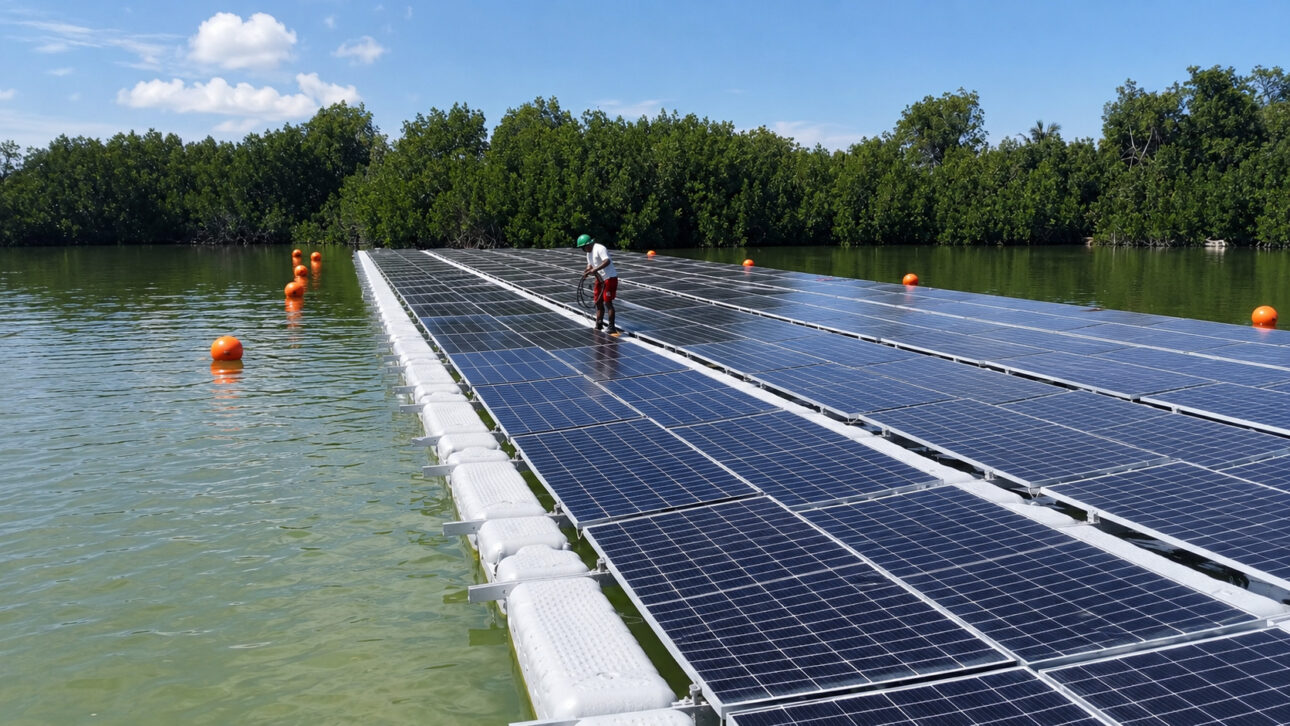
The idea is simple for any reader to understand. If there is not enough land to expand solar energy on solid ground, an urban lagoon can become part of the solution.
The 184 floating solar panels help reduce imported diesel in Funafuti
The system comprises 184 floating solar panels. They are supported on structures that float and capture sunlight to produce electricity.
PNUD Pacific, United Nations program for development in the Pacific, detailed the core numbers of the project. The expected generation is about 174 MWh per year, with an estimated reduction of 47,100 liters of diesel per year.
For Tuvalu, this has a practical effect. Less imported diesel means less dependence on fuel brought from outside to maintain part of the capital’s electricity generation.
Floating solar energy transforms an urban lagoon into an electricity generation area
Floating solar energy is the use of solar panels installed on structures that float on water. In practice, the panel continues to do the same work: it transforms sunlight into electricity.
The difference is in the chosen space. Instead of occupying roofs or land, the panels utilize an area of water that already exists within the urban landscape.
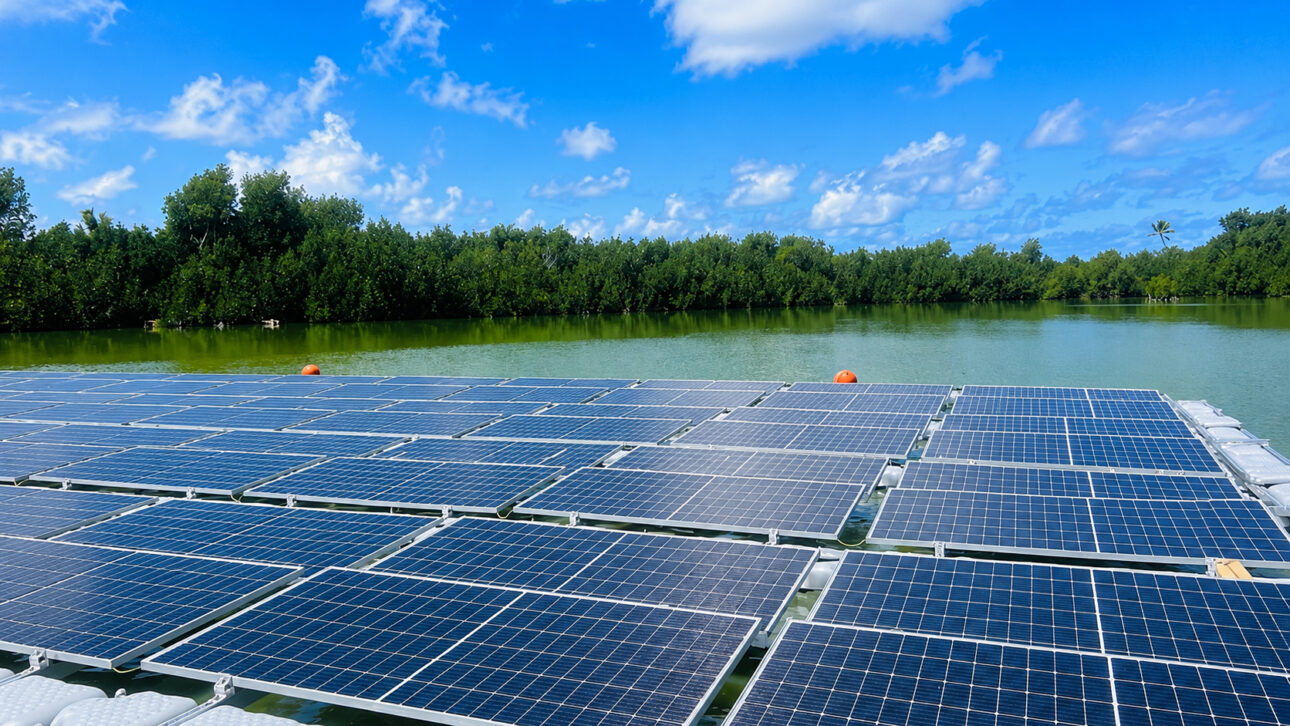
In the case of Funafuti, the Tafua lagoon has gained an energy function. It has ceased to be just a body of water and has become part of the island’s clean generation infrastructure.
The system does not replace all the capital’s energy, but it reduces part of the consumption
The expected production of 174 MWh per year meets about 2% of Funafuti’s annual energy demand. The number shows that the system does not solve the capital’s supply on its own.
Even so, the reduction is significant. In small islands, any cut in diesel use can alleviate dependence on imported fuel.
This care also avoids exaggeration. The installation is a complementary solution, not a complete replacement of Tuvalu’s electrical matrix.
Tuvalu shows how small islands need to adapt clean energy to the territory
The case of Tuvalu draws attention because it combines three factors that are hard to ignore: little land space, dependence on imported diesel, and the need to expand clean sources.
The choice of floating panels shows that solar energy can adapt to small territories. In some places, the solution is not to build large plants, but to make better use of the available space.


The Tafua lagoon became an example of a practical alternative for island countries. The project was completed in 2023 and serves as a visual reference to understand energy challenges in small atolls.
Tuvalu’s solution draws attention for the contradiction between sea, land, and energy
Tuvalu is vulnerable to rising sea levels, but it used precisely a water area to install solar panels. This contradiction makes the case strong and easy to visualize.
The lack of available land led the country to look at the lagoon as useful space. Thus, the water began to help in the production of clean energy.
The result is not a promise of total energy independence. The main point is another: 184 solar panels began to reduce part of the imported diesel without occupying solid ground.
Tuvalu transformed an urban lagoon into a source of electricity because it needed to generate clean energy in a limited territory. The installation shows how small countries can seek simple answers to issues of space, fuel, and supply.
The solution also helps the reader to look at solar energy differently. Not every plant needs to be in an open field; in some places, the solution may be over water.
If an urban lagoon can become a source of electricity in Tuvalu, what other forgotten spaces could help cities and islands produce clean energy?


