Portuguese


Juntas, essas duas gigantes da indústria têm o potencial de redefinir o futuro da aviação, tornando-a mais limpa e sustentável.


The timeline for 2027 and the next regulatory steps
Although strategic planning is advanced, the effective start of operations of the joint venture is scheduled for the year 2027. This timeline depends on meeting rigorous bureaucratic steps in the European continent.
The official schedule is conditioned by two main factors:
-
In a Place Many Doubt Solar Power Works, 360 Panels Operate in the Arctic, Harnessing Reflected Snowlight to Reduce Diesel Use at an Isolated Station

-
Island in Brazil Innovates by Installing 184 Solar Panels on Urban Lagoon to Generate Clean Energy
-
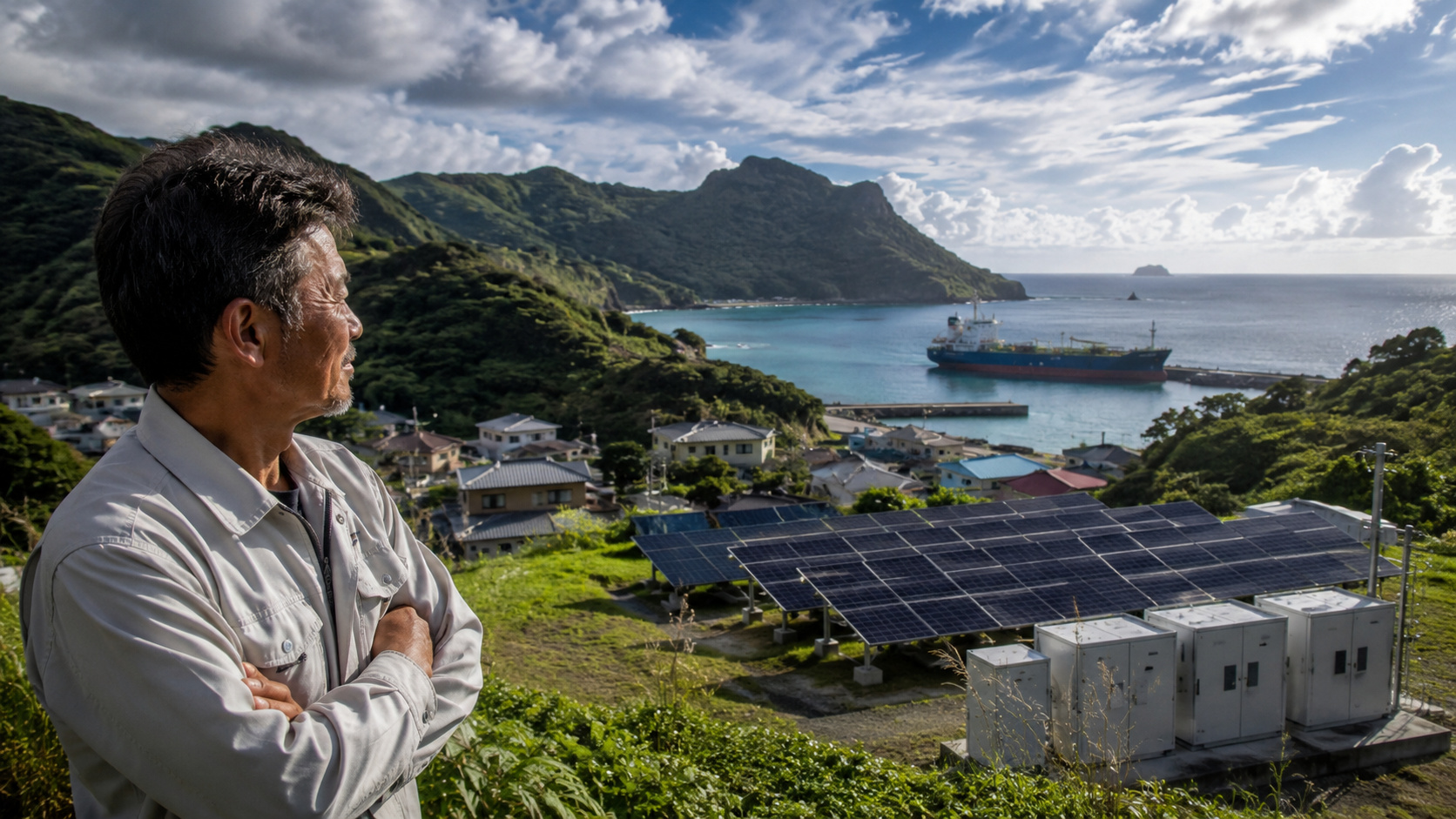
Japanese Island of 417 Residents to Test Living Half the Year Solely on Solar Power, Reducing Dependence on Diesel Brought by Ship
-
Brazilian Fishermen Use Solar Power to Produce Nearly One Ton of Ice Daily, Preventing Fish Spoilage Before Reaching Market



- Approval by the competent regulatory bodies.
- The completion of all procedures required by European labor and corporate legislation.
The ecosystem necessary for the airplanes of the future
Replacing traditional kerosene with hydrogen requires a complete structural transformation. Aware of this, the companies have informed that efforts will not be limited to engine engineering.
It will be necessary to build a viable environment that involves:
- The creation of an adequate refueling infrastructure at airports.
- The development of a solid and secure supply chain for liquid fuel.
- The evolution of the regulatory environment aimed at the regular operation of these new aircraft.
Towards a new generation of commercial aircraft
The new partnership consolidates a definitive step towards the decarbonization of the skies. By combining leadership in aircraft construction with excellence in propulsion engineering, the company that will operate from 2027 accelerates the transition from theoretical to industrial practice.
The development of electric propulsion powered by fuel cells proves that sustainable aviation is a reality in construction. The success of this association will define how society will connect globally in the coming decades, ensuring clean and efficient commercial flights.