






 Portuguese
  Spanish


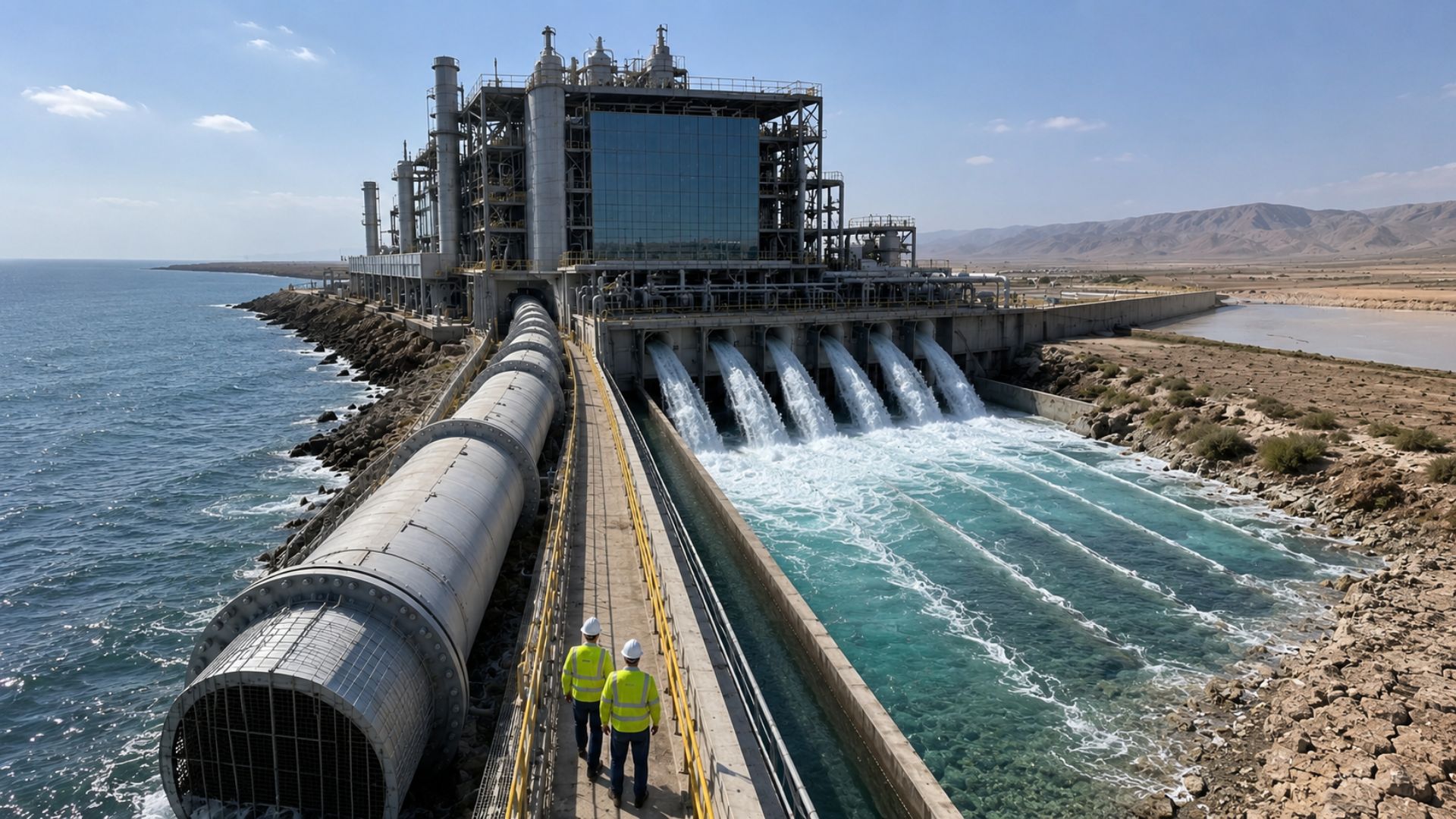


Desalination megaprojects, renewable energy, and waterworks place Morocco at the center of an African strategy to tackle prolonged droughts, protect urban supply, and reduce dependence on rainfall in a scenario of increasing pressure on reservoirs and crops.
Morocco has expanded investments in desalination to reduce dependence on rainfall and aims to obtain 60% of drinking water from the sea by 2030, in a strategy that includes large-scale plants, renewable energy, new dams, and water transfer works.
The policy gained priority after seven years of drought, a period that pressured reservoirs, crops, and urban supply in the North African country, according to information released about the Moroccan water plan.
In January 2026, the Moroccan government declared the end of the prolonged drought, after winter rains raised the average reservoir level to about 46%, according to data reported by the country’s authorities.
-
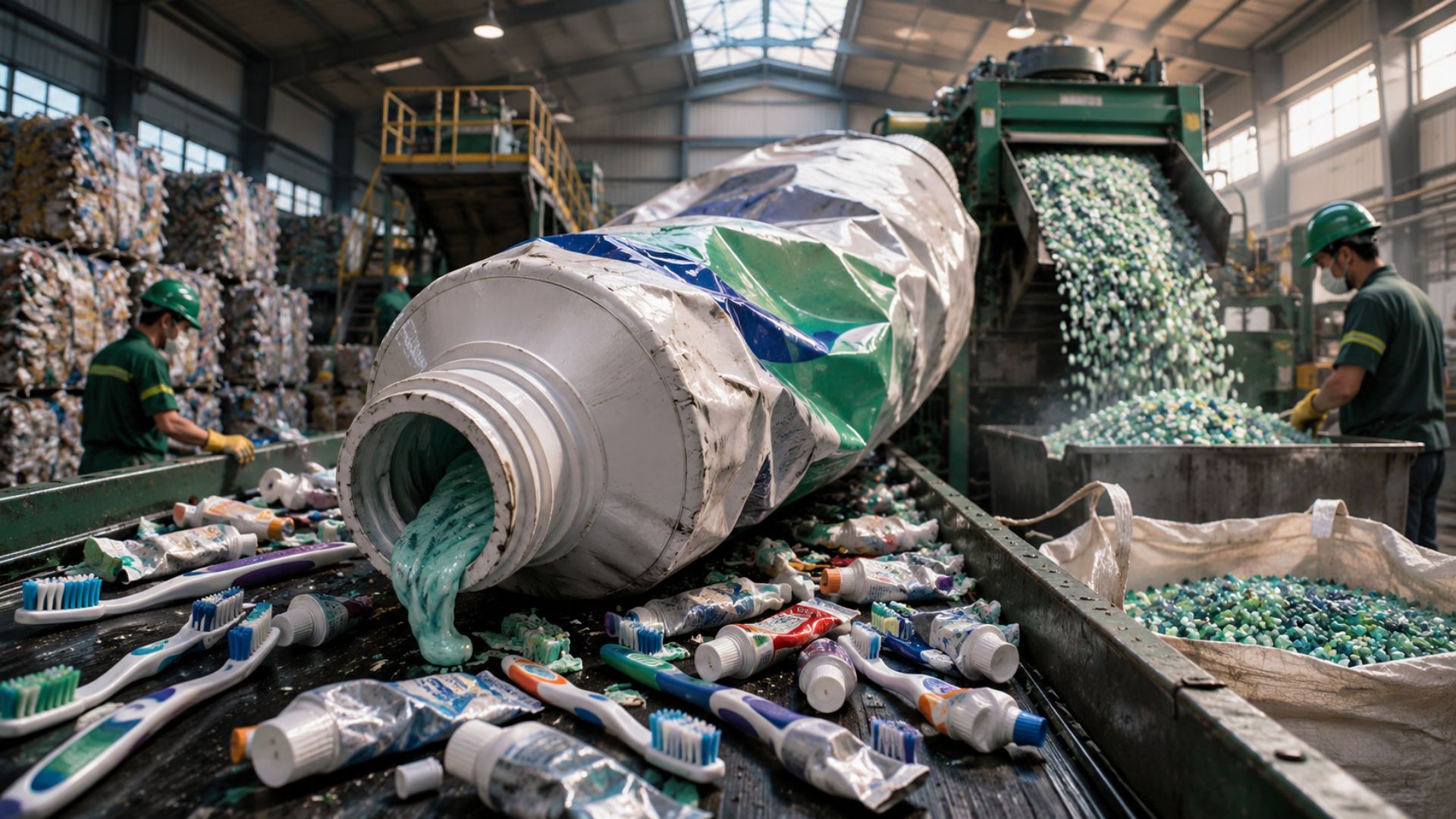
Brazil Launches Ambitious Project to Recycle Toothpaste Tubes and Toothbrushes, Aiming to Revolutionize Waste Management

-
The Mystery of Roanoke: Entire Colony Vanished Without a Trace, Leaving Only “Croatoan” as a Clue and Becoming a Historical Legend

-
Namibia Plans to Build Homes for the Homeless Using Mushrooms and Invasive Plants to Tackle Housing Crisis

-
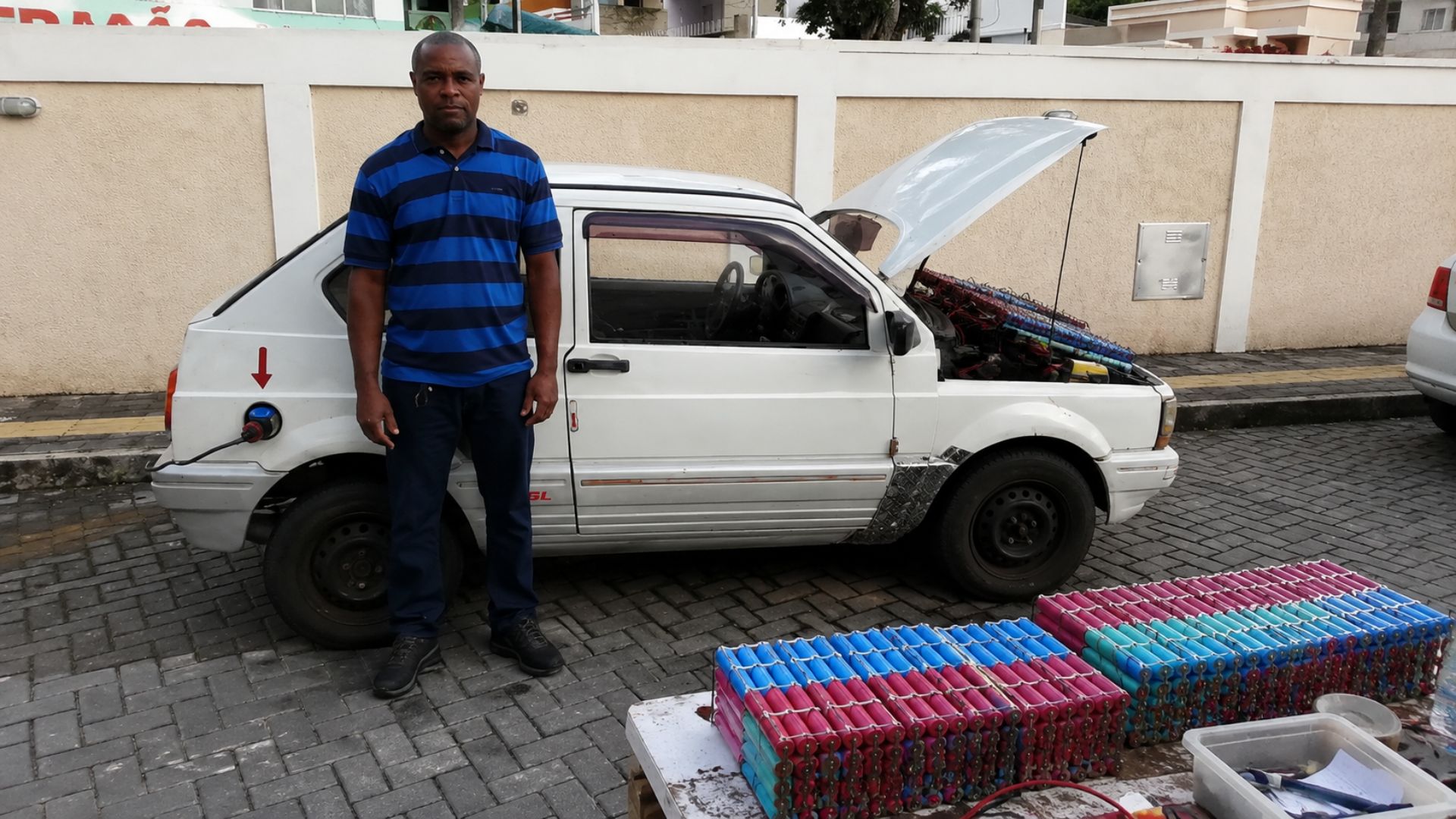
Brazilian Innovator Converts Old Car into Electric Vehicle Using Laptop Batteries and Forklift Motor, Achieves Nearly 90 km/h in Urban Settings


Despite the partial recovery of the reservoirs, the long-term plan was maintained because the irregularity of precipitation has been treated by the government as a structural risk to water security.
Africa’s largest desalination plant advances in Casablanca
The main project of this strategy is the Casablanca desalination plant, under construction in Sidi Rahal, in the Greater Casablanca region, an area linked to one of the largest urban and economic concentrations in the country.
The project has an investment of 6.5 billion Moroccan dirhams, equivalent to about 613 million euros, and will be executed through a public-private partnership with the Moroccan National Office of Electricity and Drinking Water.
Once completed, the unit is expected to serve Casablanca, Settat, Berrechid, Bir Jdid, and neighboring areas, regions that concentrate a significant part of the urban, industrial, and agricultural demand around Morocco’s largest city.
Acciona, one of the companies responsible for the project, reports that the plant will have a capacity of up to 300 million cubic meters per year and will be the largest desalination plant in Africa.
How desalination works in Morocco
Desalination transforms seawater into fresh water, usually by reverse osmosis, a process in which high-pressure pumps push the water through membranes that retain the salt and allow the production of drinking water.
This technology is already used in countries with water scarcity, but it requires high energy consumption and can increase emissions when plants rely on fossil fuels to operate.
To reduce this problem, Morocco has started to associate new water projects with the expansion of renewable sources, in line with the country’s strategy to increase the water supply without proportionally increasing the demand for fossil energy.
In the case of Casablanca, Acciona reports that the energy supply will be guaranteed by renewable wind power, through a power purchase agreement with a Moroccan producer.
According to the company, the use of renewable energy can help reduce operational costs in the long term and limit the carbon footprint of desalinated water production.
Desalination, however, also generates environmental impacts that require technical and regulatory control, especially in the disposal of brine produced during the seawater treatment.
The process generates brine, a residue with a high concentration of salt and products used in water treatment, which is usually returned to the sea after the separation of fresh water.
According to environmental studies on this type of operation, uncontrolled disposal can affect coastal ecosystems and increase pressure on sensitive marine areas.
Agriculture remains the most delicate point
Water is a strategic issue for Morocco because agriculture consumes a large part of water resources and supports a significant portion of rural employment, according to data cited in the debate on the country’s water crisis.
Prolonged drought has reduced the national herd, pressured food prices, and increased unemployment, in a scenario that exposed the direct relationship between agricultural policy and water availability.
In this context, desalination can relieve coastal cities and free up dam water for inland regions, where crops and oases rely more on rainfall, reservoirs, and the natural recharge of aquifers.
Even so, the agricultural use of desalinated water remains limited by price, especially in low commercial value crops, such as wheat and other cereals that depend on large volumes of irrigation.
The situation is different in coastal areas focused on export, where fruits, tomatoes, and vegetables can absorb higher costs when grown in systems of higher productivity and greater commercial return.
Regions like Souss-Massa fit this model by concentrating intensive agricultural production oriented to the external market, mainly in activities that depend on regular irrigation to maintain contracts and export standards.
For small producers, access to desalinated water tends to depend on subsidies, mixing with treated wastewater, and smaller solutions powered by solar energy, when there is technical and financial feasibility.
Plan includes dams and water highways
The Moroccan strategy is not limited to coastal plants, as the country also invests in dams, water transfer works, and reuse projects to reorganize the distribution of the resource.
The goal is to move surpluses from wetter basins to drier areas, in an attempt to reduce pressure on regional reservoirs and enhance supply security during drought periods.
Currently, Morocco operates 17 desalination plants, has four under construction, and plans another nine by 2030, as part of a national expansion aimed at increasing the supply of drinking water.
The plan seeks to raise the total production capacity of desalinated water to 1.7 billion cubic meters per year, within a broader water policy estimated at around US$ 14 billion.
Besides the plants, the government has also restricted water-dependent crops in arid regions, as part of the response to pressure on reservoirs, aquifers, and agricultural systems vulnerable to drought.
The scale of the program places Morocco among the African countries advancing the most in the use of desalination as a response to water scarcity, especially in coastal areas with growing urban demand.
The model follows a regional trend, as North Africa and the Middle East concentrate a significant part of the world’s desalination capacity due to their dry climate, urban growth, and strong pressure on traditional freshwater sources.
The expansion, however, depends on public financing, technology, environmental regulation, and tariffs that allow access for more vulnerable farmers, as pointed out by water management specialists.
In this scenario, long-term water security involves not only increasing the amount of water produced but also distributing the resource at a viable cost, with controlled environmental impact and priority for regions more exposed to drought.





This is my testimonial about how I finally joined the New World Order—the Illuminati—after more than two years of trying. I had repeatedly fallen victim to theft and scams. I had long wanted to join the Illuminati, but various scammers kept taking my money, until I met Lord Felix Morgan online earlier this year. I contacted him, explained the situation, and he recommended that I apply for membership. I paid the substantial initial fee, was initiated into the New World Order, and received 1,000,000 US dollars following the initiation ceremony. I am overjoyed! And I promise to spread the word about Lord Felix Morgan’s work. If you are interested in joining the Illuminati New World Order today, contact Lord Felix Morgan; this is your best opportunity to obtain the Illuminati membership you have always desired. Contact Lord Felix Morgan via WhatsApp at +4473530027456.