






 Portuguese
  Spanish
  4 min of reading
  0 comments


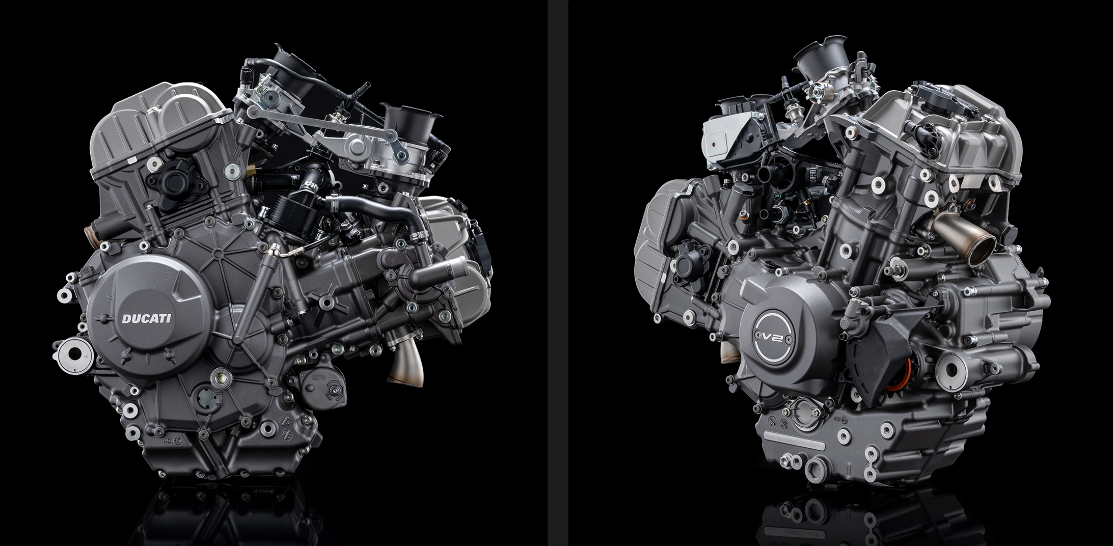
Ducati Redefines Automotive Engineering With Its Lighter, More Advanced V2 Engine. Weighing 54.5 kg and Featuring a Set of Technological Innovations, the New Engine Promises to Improve Riding Experience and Establish the Brand as a Reference in the Sector.
There is something new on the horizon for lovers of speed and automotive design.
Ducati, the Italian motorcycle giant, has just announced a breakthrough that could transform the riding experience as we know it.
With a lightweight engine and a set of technological innovations, this launch places the brand on a new level.
-
Uber Faces Shareholder Scrutiny as Board Accused of Ignoring Safety, Compliance, and Harassment Warnings Amid Over 3,500 U.S. Lawsuits

-
Ferrari’s First Electric Car Divides Fans, Priced at $630,000, Amid Concerns Over Limited Editions; Brand Clarifies It’s Not Just for Future Perks
-
BYD Dolphin Mini: The Electric Car That Defies Depreciation, Losing Only 3.58% in a Year and Becoming the Best-Selling Retail Model Under $22,000

-
Electric Car JAC E-JS4 Loses $19,000 in Value in One Year, Leading Record Depreciation of Used Cars in Brazil Due to Expensive Battery and New Models


Lighter and More Efficient V2 Engine: The Search for Extreme Performance
At the heart of this launch is the lightest V2 engine ever produced by Ducati. At just 54.5 kg, this innovation represents a milestone in engineering and performance.
According to Ducati, this model not only reduces the weight of motorcycles but also significantly improves handling, while maintaining the traditional torque delivery at all RPMs.
The 90° V-Twin engine, famous for equipping iconic bikes from the brand and accumulating over 400 competition wins, remains true to the structure that has made Ducati a symbol of high performance.
The use of this design is not just a matter of style but a strategy that reinforces Ducati’s identity and tradition while delivering unique track performance.
Innovations in the V2: Efficiency and Less Friction
Ducati’s new engine is not just light; it is highly efficient.
Ducati has incorporated hollow intake valves with variable timing (IVT) and Diamond-Like Carbon (DLC) coating into the V2, both features designed to minimize friction.
This combination of technologies ensures that the engine meets Euro5+ standards, with a displacement of 890 cc, positioning it as an eco-friendly and high-performance choice.
Another innovative aspect is the compact design, with an integrated water pump in the front cylinder head, reducing the use of visible rubber hoses and simplifying the appearance.
This detail helps maintain a clean and efficient look, another point that marks the meticulous engineering of Ducati.
Two Power Configurations: Adaptability for Different Riding Styles
The V2 engine is available in two power configurations, allowing riders to choose the version that best suits their riding style.
The version with 115 hp is ideal for a more controlled experience, while the sporty option with 120 hp can be increased to up to 126 hp with a race exhaust.
Both versions are designed to accommodate different rider profiles, offering a robust option with a more powerful alternator and reinforced connecting rod, suitable for challenging terrains such as steep climbs.
Knock Sensors: Protection and Versatility
For riders who travel long distances, one detail can make all the difference: the knock sensor.
This system allows the engine to operate correctly with lower-octane gasoline, ensuring reliability even in areas with variable fuel quality.
This element not only enhances the V2’s versatility but also demonstrates Ducati’s commitment to providing engines adaptable to different conditions.
Impact of the New Engine on Ducati Motorcycles
With the new V2, Ducati promises greater versatility and efficiency in its models.
One of the main changes is the elimination of the oil radiator, which has been replaced by a water/oil heat exchanger.
This change contributes to weight reduction and simplification of the motorcycles, allowing the new models to be more compact without compromising performance.
Additionally, the engine is equipped with the Ducati Quick Shift (DQS) 2.0 system, a technology previously applied in the Panigale V4 model.
This feature facilitates fast and smooth gear shifts, a plus for those who desire a sporty and dynamic riding experience.
Technical Specifications of Ducati’s V2
Among the technical attributes of the V2 engine are:
- 90° V-twin structure with 890 cc;
- Weight of 54.5 kg, making it the lightest in the brand’s history;
- Valves with DLC coating and IVT timing;
- Bore x stroke of 96 x 61.5 mm;
- Compression ratio of 13.1:1;
- Euro5+ certification;
- Multi-disc clutch with anti-hopping function.
These features form a highly attractive package for brand fans and new admirers seeking a combination of performance, innovation, and tradition.
According to Ducati, the V2 engine not only strengthens the company’s product line but also reinforces its identity as a manufacturer of high-quality, high-performance motorcycles.
A Revolution in Automotive Engineering
With this new launch, Ducati demonstrates its commitment to innovation and excellence in engineering.
The V2 engine not only delivers superior performance but also consolidates the brand as a reference in the sector.
For motorcycle enthusiasts, the new V2 promises to offer a unique riding and performance experience.
What did you think of these innovations? Will the new V2 engine manage to conquer the market and redefine the performance standard in motorcycles?





Be the first to react!