Portuguese
  Spanish


From Promised Economy to Real Loss: The Engines That Most Disappointed Brazilians
In recent years, 3-cylinder engines have gained ground in the Brazilian automotive market. Automakers announced gains in efficiency, lower fuel consumption, and reduced emissions. However, practical experience revealed a different reality.
In different models, owners began to report recurring defects, high oil consumption, and increased maintenance costs.
A survey indicates which were the five most problematic 3-cylinder engines ever sold in Brazil, ranked from the one with the most criticisms to the one with the least failures.
-
Sales of Brazil’s Cheapest Electric Car Halted Before First Deliveries: E-Motors Suspends Emova Easy Due to Import Tax Increase and Rising Freight Costs

-
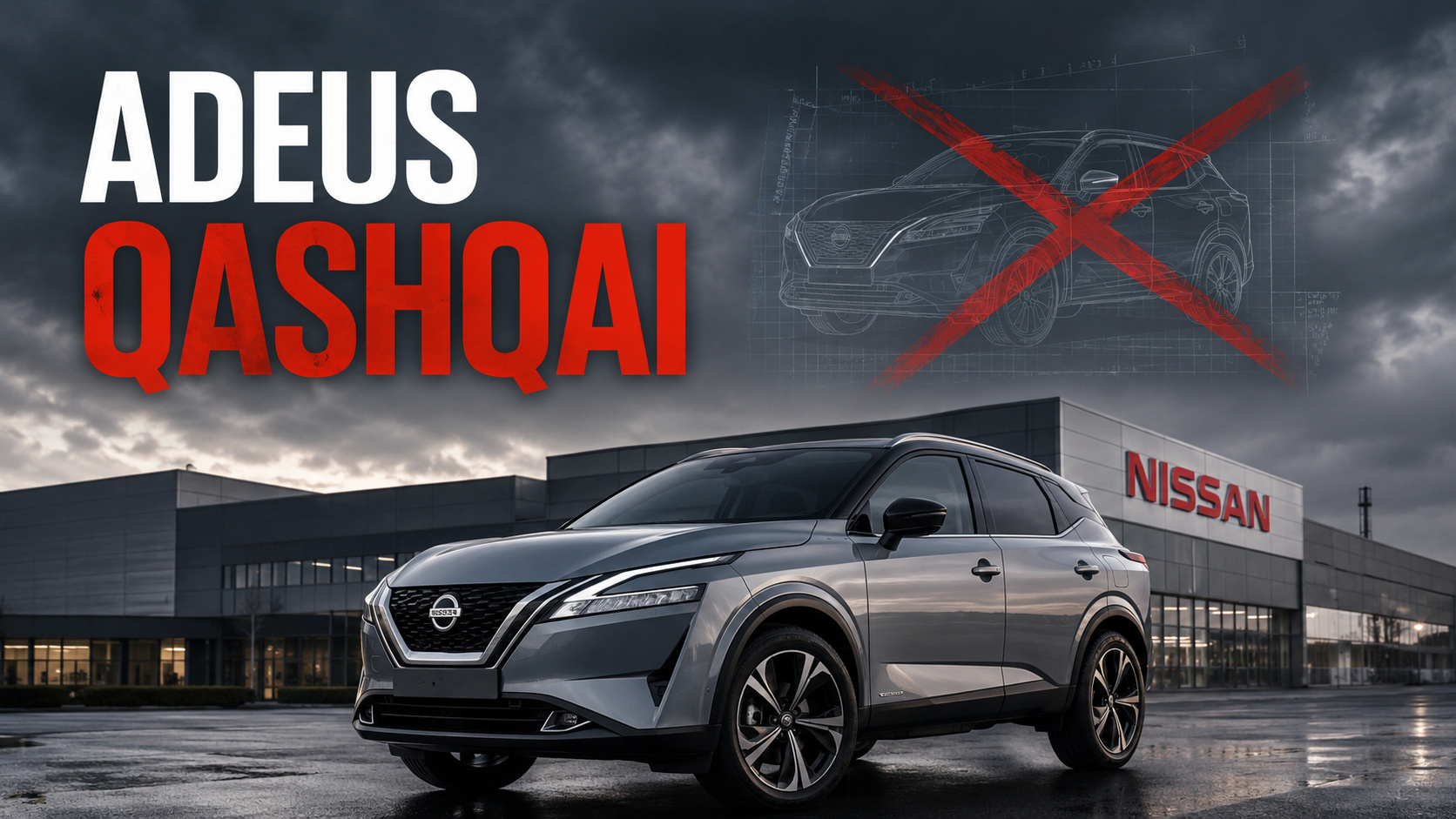
Nissan Discontinues Qashqai SUV Amid Cost-Cutting, Chinese Competition, and Product Line Review

-
BYD Patents Revolutionary System Using Computer Vision to Detect Animals Under Cars Before Starting, Preventing Tragedies

-
Study Reveals Why Cars Are More Expensive to Produce and Buy in Brazil Compared to Mexico, Highlighting Taxes, Logistics, and Industrial Costs as Key Factors.



Among them, there is also a standout positive case, considered the most reliable in the category and comparable in performance to some four-cylinder engines.
Renault SCe 1.0 – An Engine Marked by Recurring Failures
The SCe 1.0 engine from Renault, found in models like Kwid and Sandero, is pointed out by experts as one of the most problematic in the category. Reports include excessive noises, constant failures, high oil consumption, and premature wear on the camshaft. Additionally, there are frequent records of oil leaks at the valve cover and ignition coil failures. In many cases, owners report the need to top off the oil in cars with low mileage, which compromises the durability of the unit.
Peugeot 1.2 Puretech – The Oil-Soaked Timing Belt That Became a Chronic Problem
The 1.2 Puretech from Peugeot received praise for its performance but ultimately became synonymous with headaches due to the use of the oil-soaked timing belt. Over time, the part dissolves, spreading debris throughout the engine and potentially causing serious failures. Workshops report that, in many cases, the engine needs to be opened earlier than expected, raising maintenance costs. The process of replacing the belt also requires specific technical care, at risk of the engine being out of alignment and requiring rework.
GM 1.0 Aspirated and Turbo – The Wear That Repeats in Different Versions
Both in the aspirated and turbocharged versions, the 1.0 engine from GM, used in models like Onix and Tracker, exhibits the same problems. The oil-soaked timing belt wears out earlier than expected and compromises the engine’s operation. Another critical point is the vacuum pump, made of bakelite, which can disintegrate and release fragments into the lubrication system. Among the most reported symptoms is a stiff brake pedal, a clear sign of failure in this component.
Ford 1.0 Ti-VCT – The Vibration That Became a Trademark
The first-generation Ford Ka 1.0 Ti-VCT became known for excessive vibration. The problem not only annoyed the driver but also caused mechanical consequences: loose battery terminals, damaged wiring harnesses, noise in the transmission, and recurring coil failures. Although more recent versions have received improvements, the negative history of this engine has marked the brand’s image in the 3-cylinder segment.
Fiat Firefly 1.0/1.3 – Technical Advancements That Did Not Eliminate the Defects
The Firefly, launched by Fiat as a modern alternative to competitors, uses a timing chain and avoids the oil-soaked timing belt problem. However, it has its own issues. Among the main reports are chain skipping at low mileage, diaphragm failures in the cover that increase oil consumption, premature wear of mounts, and problems with the water pump, which can mix oil and water. While it may not be the most problematic on the list, it requires constant maintenance attention.
Volkswagen EA211 – A Reference in Reliability Among the 3 Cylinders
In contrast to the others, the Volkswagen EA211 se has consolidated as the most reliable engine in the category in the Brazilian market. Produced in aspirated and turbo versions, the set is considered balanced in efficiency, durability, and maintenance costs. The only additional care is in the periodic cleaning of the valves in the direct injection versions. Still, the EA211 stands out for its robustness and, according to experts, can even surpass some four-cylinder engines in reliability.
Promise of Economy. Reality of Loss
The arrival of 3-cylinder engines in Brazil brought the promise of efficiency and savings, but many models exhibited recurring failures, excessive oil consumption, and costly maintenance. Among the most problematic projects, only the Volkswagen EA211 stood out positively, showing robustness and above-average performance. The contrast highlights that the real credibility of an engine is only proven through daily use, when industry promises confront practicality.