






 Portuguese
  Spanish
  4 min of reading
  3 comments


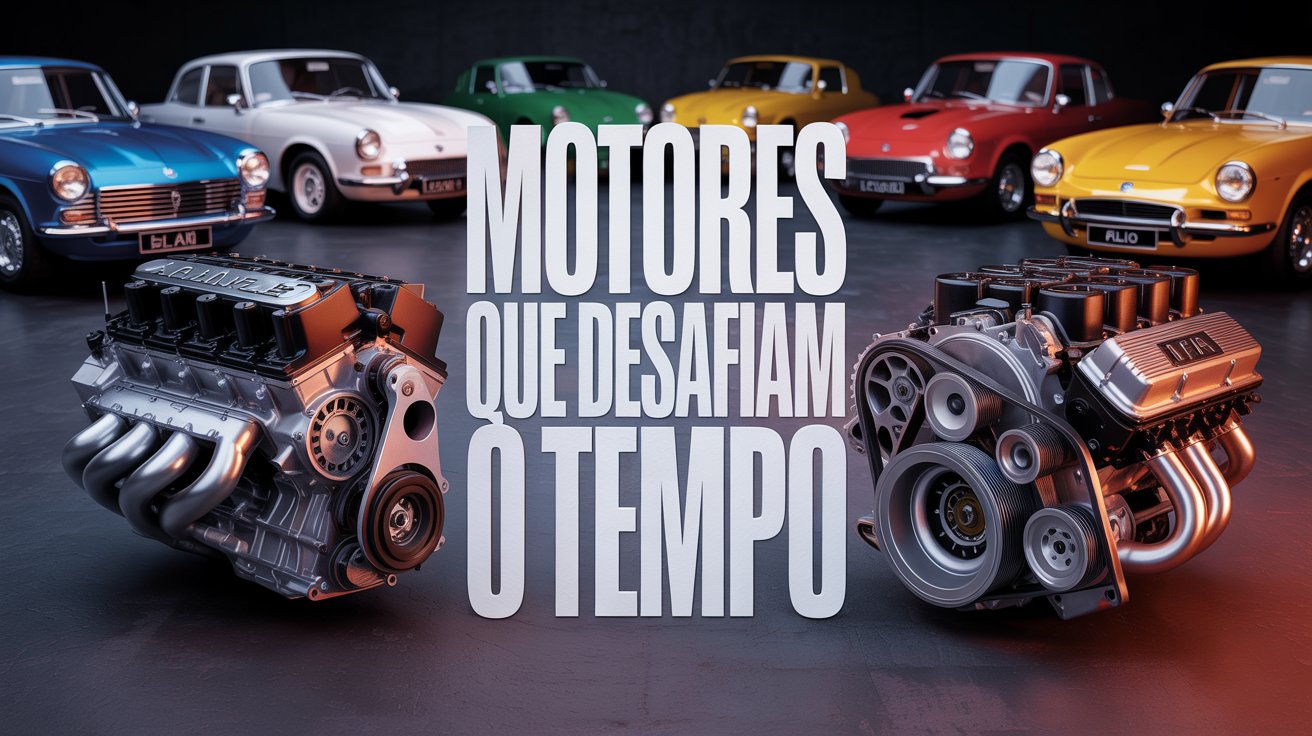


Engines That Defy Time: Discover How the Famous AP, EA111, and Fire Emerged and Why They Still Conquer Hearts and Roads in Brazil!
In the automotive world, few components have the power to create legends like a reliable engine.
And in Brazil, some engine models have achieved ‘indestructible’ status, crossing generations and roads without losing steam.
This fame did not come about by chance: behind it are ingenious projects, simple technical solutions, and the passion of drivers who do not give up on robustness and economy.
-
Survivor of 1966 SS Daniel J. Morrell Shipwreck in Lake Huron Recounts 38-Hour Ordeal in Extreme Cold

-
The Greatest Hoax in World Cup History? The Film That Denied Brazil’s 1958 Victory and Exposed How Fake Evidence Can Seem Convincing on TV
-
Fake South Korean Online Stores Offer Shopping Thrill Without Spending Money or Receiving Products
-
Helicopter Drops 180 Tons of Sand and Gravel on Swedish River to Revive Ecosystem Damaged by Decades of Exploitation



AP: The Icon That Was Born with the Gol
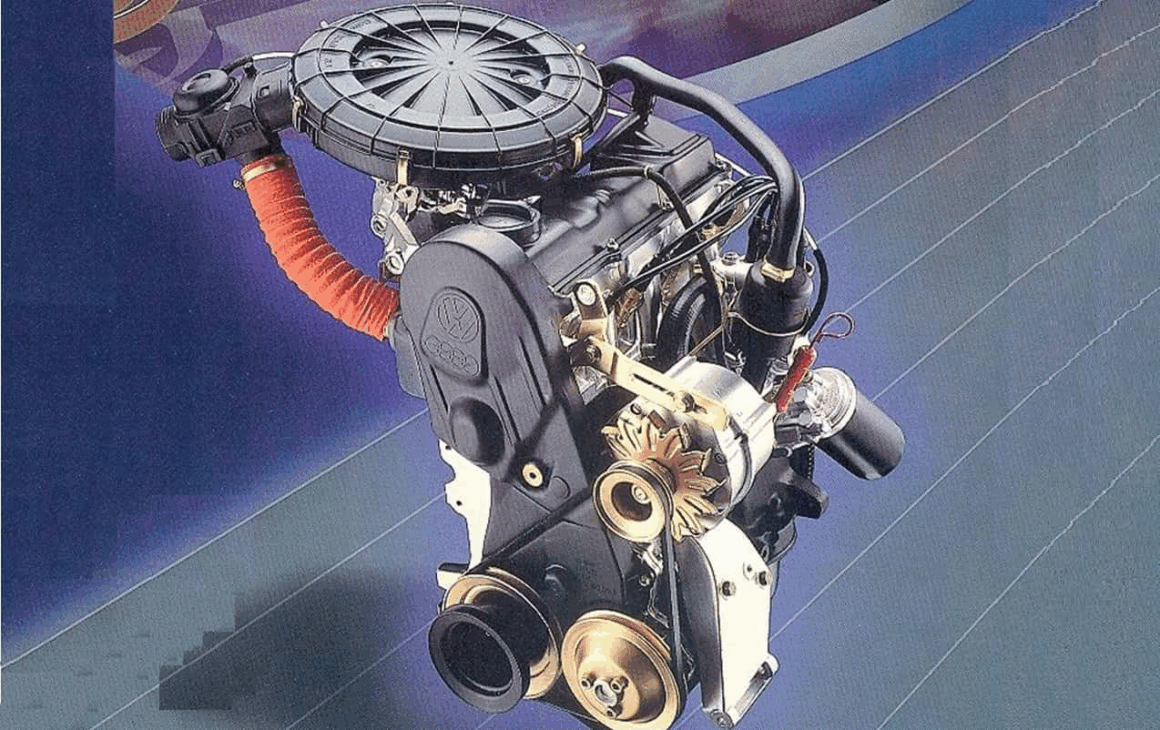
Among the legendary engines, the AP (Alta Performance) engine from Volkswagen is probably the most iconic.
It emerged in Brazil in the late 1970s, more precisely in 1985 with the Gol line, when Volkswagen decided to offer the national market a four-cylinder engine with a head cam, known as OHC (Over Head Camshaft).
The AP engine quickly showed what it was made of: robust, easy to maintain, and versatile.
It was used in various models such as Gol, Parati, Saveiro, Voyage, and Santana, in addition to making history in drag racing and endurance tests.
Cylinder displacements ranged from 1.6 to 2.0, with versions for alcohol and gasoline.
Mechanics across the country praise its ease of maintenance and above-average durability, factors that have made it synonymous with reliability.
No wonder, to this day there are AP engines running with over 500,000 km without major interventions – a feat that challenges even many modern cars.
In addition, the AP became famous for the wide variety of available parts and for being easy to adapt in other automotive projects.
EA111 Engine: The Small Remarkable
Another engine that earned its place among the “indestructibles” is the EA111, also from Volkswagen.
Developed in Germany and adapted for Brazil, it started being used in the Gol in the early 1990s and remained for almost two decades as one of the best-selling engines in the country.
With an aluminum block, head cam, and belt distribution, the EA111 stood out for being lightweight and efficient.
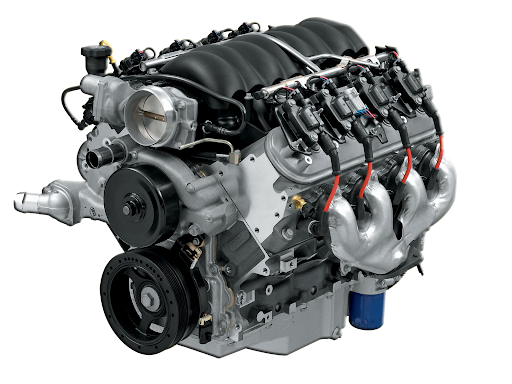
Versions 1.0, 1.6, and even 1.4 equipped models such as Gol, Fox, Polo, Voyage, and Saveiro.
It was an engine that combined fuel economy, low maintenance cost, and surprising resistance for its time.
Mechanics highlight the durability of the 1.6 versions, which even with severe use maintain good performance for hundreds of thousands of kilometers.
Even today, many EA111 engines are kept in used cars, a sign that the project still pleases those looking for a simple car but one that doesn’t cause headaches.
Fire Family: Fiat and Its Simple Engineering
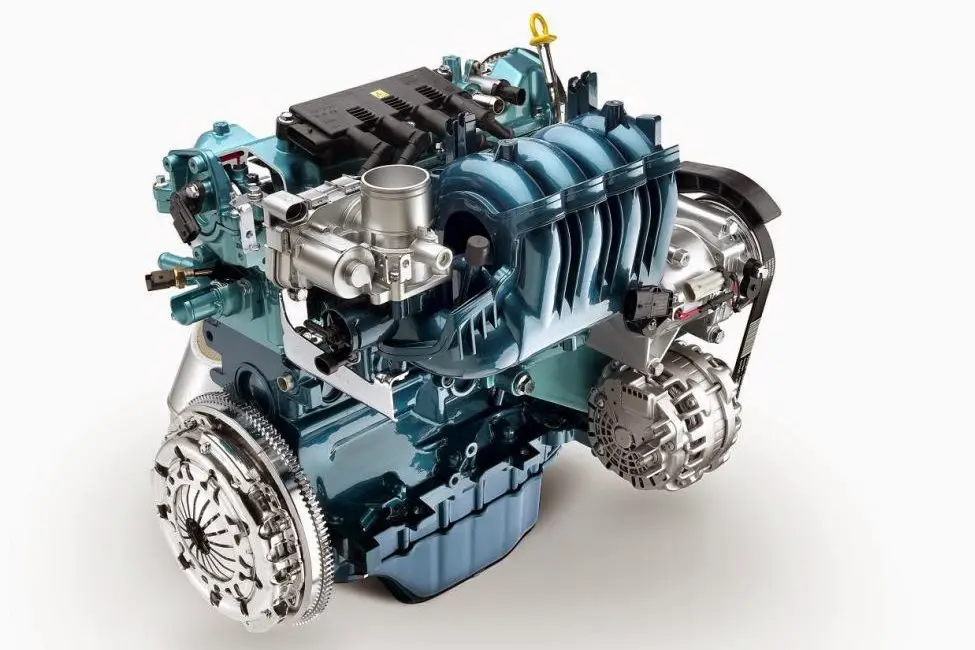
Among the legendary engines in Brazil, one cannot forget the Fire Family from Fiat.
It arrived in the country in the late 1990s, initially in models like the Palio and the Uno, and soon won over drivers.
With a simple cam, aluminum head, and easy maintenance, the Fire was an example of well-resolved simplicity.
In addition, the Fire brought innovations such as the cross-flow head and compact combustion chamber, ensuring low consumption and good responses at low RPM.
Its secret lies in simplicity and a robust design that withstands Brazil’s adverse conditions – from poor-quality fuels to bumpy roads.
Why Does This Trio of Engines Still Succeed?
The answer to the ongoing success of these legendary engines lies in three main factors: simple design, cheap parts, and uncomplicated maintenance.
They do not have complex direct injection, sophisticated turbos, or sensitive electronics – they are ‘root’ engines that accept repairs in any workshop and have abundant parts in the aftermarket.
Another factor that counts is proven reliability.
Cars with AP, EA111, and Fire engines are champions in fleet auctions and preferred in regions where transport relies on reliable used vehicles, such as rural areas and lower-income regions.
Legacy That Crosses Generations
Beyond the technical aspect, these engines ended up creating an emotional bond with their owners.
Stories of family cars that pass from father to son – and still use the same engine – are common.
For many, it’s not just a machine: it’s a symbol of how simple engineering can last longer than expected.
Nowadays, with the arrival of turbo engines and increasingly complex technologies, the nostalgia and practicality of these “indestructible” engines continue to be a safe haven for those who want to avoid mechanical surprises.
They serve as a reminder that not always is the most modern the most durable. And that, in many cases, simplicity still reigns supreme.
If you want to know more about these engines or are looking for tips to keep your old car running strong, it’s worth visiting specialized workshops or enthusiast forums.
And if you’re thinking about buying a used car with one of these legendary engines, talk to a trusted mechanic – because, as history shows, these engines still have a lot of life ahead.
Now, reader, tell us: which legendary engine have you had or would like to have in your garage?


Fiat Siena Fire Flex 1.0, 7 anos de condução diária, com muito bom desempenho e sem ter que usar cartão de crédito para parcelar os custos de manutenção.
EA111, o pior motor feito pela Volkswagen, alto consumo de óleo e aquecimento.
Eu já tive 2 gol um 1986 equipado com o motor 1.6 e um com o motor 1.8 1990