






 Portuguese
  Spanish


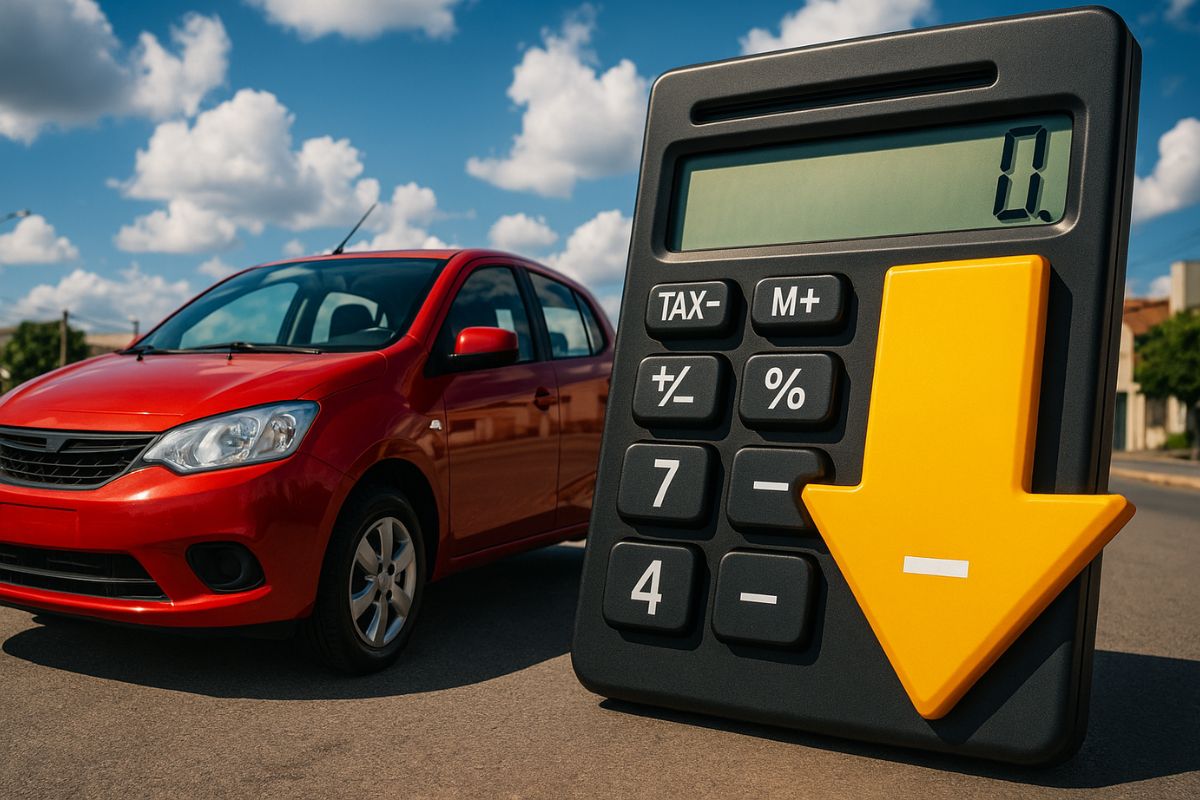


Brazilian Drivers Have 45% Cheaper IPVA From 2026. Announcement in Paraná Nearly Cuts the Tax on Vehicles in Half and May Inspire Other States
A significant change is about to ease the burden on citizens: brazilian drivers have 45% cheaper IPVA, according to an announcement made by the government of Paraná. The measure will come into effect in 2026 and represents a significant reduction in the rate, lowered from 3.5% to 1.96% on the market value of vehicles.
According to the Paraná State Treasury, the reduction aims to stimulate the local economy, increase vehicle regularization, and bring more tax justice, especially for low-income families who have a car as a basic mobility need.
What Changes With The New IPVA
The IPVA (Tax on the Ownership of Motor Vehicles) is an annual charge applied in all Brazilian states. It funds strategic areas such as infrastructure, health, and education. With the Paraná reduction, drivers will pay virtually half of the amount that has been charged.
-
At 14 years old, she worked in a factory in Hong Kong, studied economics abroad, and then entered the Chinese real estate market, which helped change the landscape of Beijing.

-
While NATO secured more than $10 billion in missiles and space surveillance at a single forum, Brazil still spends 1.1% of its GDP on defense and is stalling its own anti-aircraft system.

-
Corn ethanol attracts R$ 23 billion in 21 new plants and prepares for a nearly 50% jump in Brazilian production by 2027, even with high interest rates.
-
A newly opened terminal in the middle of the Amazon has begun transporting soy and corn through Amapá, eyeing the queue of ships that is congesting the ports in the South.


In addition to the direct impact on family budgets, the expectation is that more taxpayers will start paying the tax on time, reducing delinquency and avoiding debt accumulation. For those with outstanding debts, the government is expected to offer easier negotiation conditions.
Who Benefits From The Measure
The IPVA reduction affects all drivers in Paraná, from workers using popular vehicles to fleet owners. The financial relief can represent hundreds of reais in savings per year, depending on the model and market value of the vehicle.
Experts believe that this saved money is likely to be directed towards other areas of family consumption, which can generate positive impacts on local commerce and services.
Why Did The Government Reduce The IPVA
According to the state government, the decision to cut 45% of the tax is linked to a strategy of economic stimulus and tax equity. The measure is expected to attract new investments while simultaneously reducing the tax burden on low-income families, who dedicate a considerable part of their income to transportation.
The cheaper IPVA also favors fleet regularization, as many owners cease to pay the tax due to high costs. With the decrease, greater adherence and an increase in indirect revenue are expected.
Can Other States Follow The Example?
For now, the reduction only applies to Paraná. However, drivers in other states should stay alert to announcements from state treasuries, as the measure may inspire similar policies in other regions. Each state has the autonomy to define its own IPVA rates.
If this trend gains momentum, Brazil may see a new cycle of tax flexibility on vehicles, which would have a direct impact on the automotive sector and on family income.
And you, do you think this change that Brazilian drivers have 45% cheaper IPVA should expand to the entire country? Does the reduction really help in daily life or just provide momentary relief? Share your opinion in the comments.


Sao paulo e o ipva mais caro do país, e o Governo deveria sim conceder o desconto principalmente pq, o pobre compra o carro em 60 parcela aí chega começo do ano tem que escolher o q pagar, daí atrasa ipva pra poder manter o financiamento em dia. Lamentavelmente acontece sim com muitos paulistas.
Além do que isso vai incentivar que possamos deixar as contas mais em dia, e poder trocar o carro cansado até por um zero. Num adianta muito o governo federal dar isenção de IPI se depois o cara nao consegue pagar o IPVA , nao esqueçamos o seguro que é de lascar o bolso tbm. E a maioria e mes a mes.
Seria ótimo custo de vida e alto demais
DUVIDO que os governos estaduais vão pensar no povo… só acredito vendo…