






 Portuguese
  Spanish
  4 min of reading
  0 comments


Energy Wasted in Standby Hurts the Pocket and Increases Environmental Impact
Did you know that part of your electricity bill could be spent on devices that aren’t even in use? The so-called phantom consumption, also known as standby, represents a silent cost in many Brazilian homes. It may seem small, but when added up over the month, it can reach up to 10% of the electricity bill.
What Is Behind This Silent Consumption
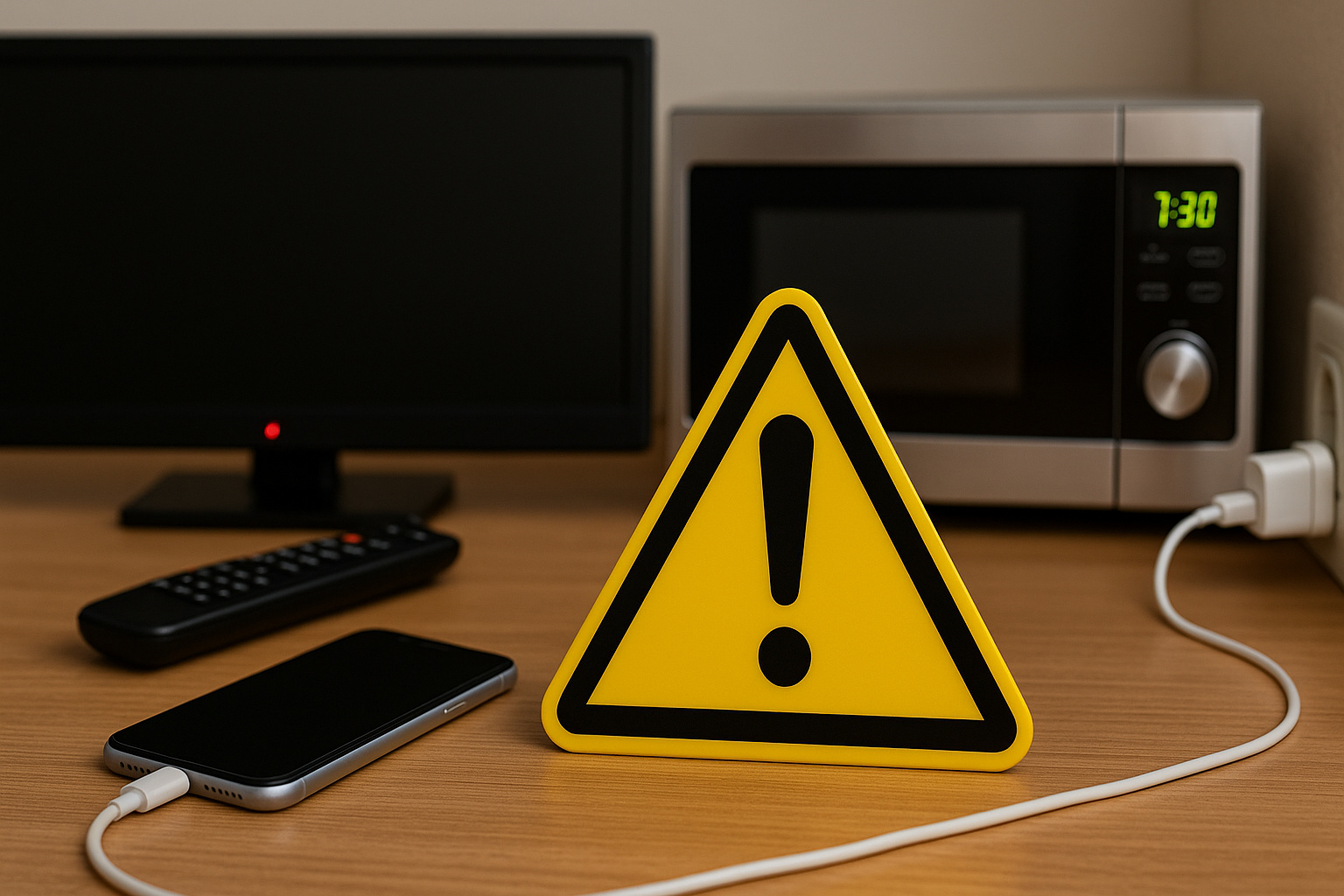
This phenomenon is not new, but it still goes unnoticed. Who hasn’t noticed that little red light on the TV still on even when the remote is off? Or the microwave that always shows the time? Small signs that, in practice, the device is not completely inactive.
The company Factorenergía explains well: “Even when inactive, many devices need a minimum amount of energy to maintain certain functions, such as indicator lights or quick activation modules.” This is the energy that accumulates and weighs on the end of the month.
-
Brazilian Joins Homeownership Consortium, Faces Decade of Dual Payments Totaling $141,000, Surpassing Traditional Mortgage

-
Land Rover to Halt Production in July, Putting 371 Jobs at Risk, as Chinese Automaker Negotiates to Convert Factory to 100,000 Vehicles Annually by 2027

-
Mexican Pest Threatens U.S. Cattle Herds at Historic Lows, Potentially Boosting Brazilian Beef Exports as Burger Prices Soar

-
Brazilian Freight Bill Progresses in Congress with $5,000 Minimum Wage, 70% Advance Payment, and Fines Up to $1 Million, as Agriculture and Industry Warn of Rising Costs and Legal Uncertainty


Televisions, video game consoles, modern washing machines, computers, and even simple phone chargers are some of the silent villains. When looked at individually, they seem harmless. But in a house full of connected devices, this phantom consumption turns into a significant expense.
The Champion Device of Waste
If you thought of the phone charger left in the outlet, you’re right. This is one of the most common examples and represents an almost automatic habit. After all, who hasn’t left the charger plugged in, even without the device connected?
But it’s not alone on this list. Other champions of standby consumption include:
- Televisions and video game consoles – they are ready to turn on in seconds but continue to draw power.
- Washing machines with electronic panels – even when stopped, they keep circuits active.
- Desktop computers – major villains: a study from the website Energuide.be showed that a complete PC, with modem, printer, and speakers, can consume up to 600 kWh per year just in standby.
- Devices with LED lights on – that small green or red light may seem insignificant, but it represents continuous spending.
These examples show that, in many cases, we are literally paying to keep devices “ready for use,” even when we don’t need them.
How Much This Affects the Brazilian Pocket
Maybe the first reaction is to think: “But this can’t amount to much on the bill”. That’s where the misconception lies. Energy efficiency experts estimate that standby consumption can represent up to 10% of the monthly bill.
Translating into numbers: on a R$ 200 bill, that’s about R$ 20 per month, which means almost R$ 240 a year wasted. Now think: in how many other areas of your budget could this amount be better utilized?
And it doesn’t stop there. When the red flag tariff rates come into effect, the impact is even greater. In other words, cutting this waste is not just a matter of saving money, but also relieving the impact of extra tariffs.
Not Everything Can Be Unplugged
Of course, there are devices that need to stay on 24 hours a day. Refrigerators, freezers, and even internet routers are examples of devices that perform continuous functions and cannot be turned off.
But the list of those that can — and should — be unplugged is much larger. This brings about a change in habit: turning off what isn’t essential can be the key to saving on electricity without sacrificing convenience.
How to Reduce Phantom Consumption Without Effort
You don’t need to be a slave to the outlets to reduce phantom consumption. There are simple and affordable solutions that make this process easier:
- Power strips with a switch: allow you to turn off several devices at once, without having to remove each plug from the outlet.
- Timers: schedule operating hours and cut power automatically.
- Be careful with the charger: unplug it as soon as you finish using it. Besides saving energy, it extends the lifespan of the accessory.
- Unplugging while traveling: if you’re going to be away for a few days, turning off everything that isn’t essential can significantly reduce expenses.
These actions may seem small, but they make a difference over time, both financially and in terms of environmental impact.
A Habit Worth Having
Phantom consumption is not a myth. It exists, it’s costly, and it can represent a significant part of your electricity bill. Changing this habit is simple and can be incorporated into daily life: unplugging, whenever possible, devices that don’t need to be on.
In times of ever-increasing tariffs and a search for sustainable practices, this is a way to use electricity more intelligently. Besides saving money, you also contribute to reducing the waste of natural resources.
And you, will you continue to pay for energy you don’t use?
Leave your opinion in the comments.





Be the first to react!