Portuguese
  Spanish


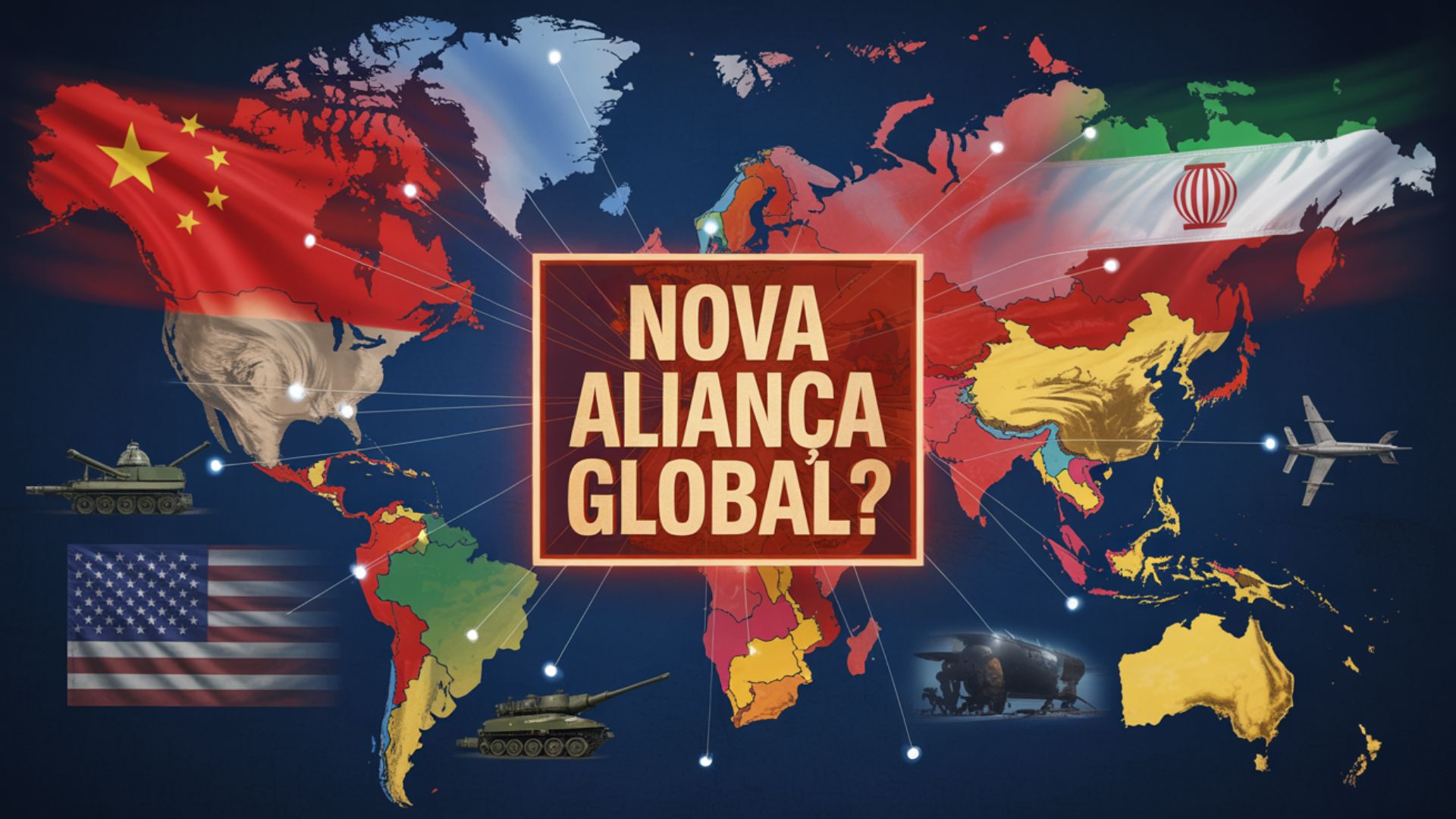


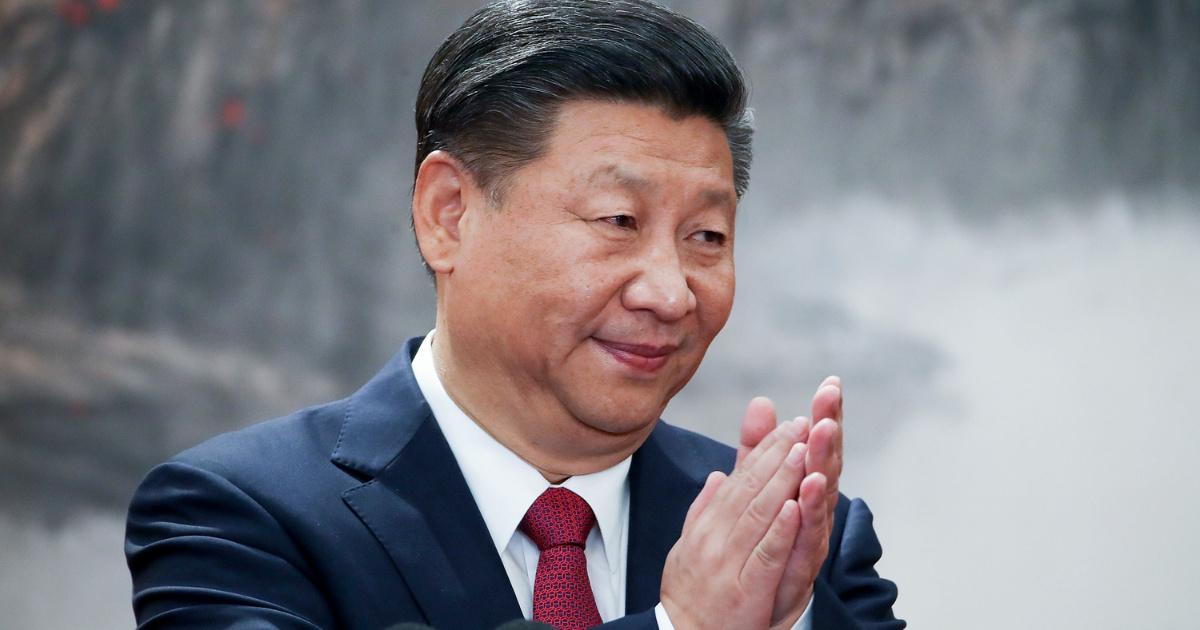
Xi Jinping Opened the Shanghai Cooperation Organization Summit in Tianjin with Criticism of “Intimidating Behavior” Alongside Putin, Modi, and Other Leaders Advocating Multilateralism and Projecting the Bloc as an Alternative to NATO.
The Chinese president, Xi Jinping, inaugurated the summit of the Shanghai Cooperation Organization (SCO) on September 1, 2025, in Tianjin, with a speech against “intimidating behavior” in the world order.
Without naming countries, he urged participants to “defend fairness and justice” and “oppose Cold War mentality, bloc confrontation, and intimidating behavior”.
The speech, delivered in front of leaders such as Vladimir Putin (Russia) and Narendra Modi (India), was interpreted by diplomats as an indirect message to the United States’ foreign policy under Donald Trump.
-
Brazil’s 2026 Tax Refund: Record 9.58 Million Filers in Largest Payout Ever, But a Key Detail on Priority Recipients Draws Nationwide Attention

-
Itaú Alters Hybrid Work Model, Increasing Office Days from 2028, Prompting Employees to Adjust to New Routine
-
Facing Labor Shortage, Japan Plans to Invest $34 Million to Attract Foreign Workers in Construction, Healthcare, Industry, and Commerce

-
Brazilian City Makes Remarkable Leap, Becomes 4th Wealthiest in the Country with GDP of R$ 134.1 Billion




Summit in Tianjin Gathers Leaders and Shines a Spotlight on the SCO
The meeting, which runs from August 31 to September 1, brings together the ten member countries of the SCO: China, India, Russia, Pakistan, Iran, Kazakhstan, Kyrgyzstan, Tajikistan, Uzbekistan, and Belarus, along with 16 countries with observer status or dialogue partners.
China and Russia have been presenting the bloc as a platform for security and cooperation capable of counterbalancing Western arrangements, often comparing it to NATO.
According to the Chinese presidency, the meeting in Tianjin is the largest ever held by the bloc since its establishment in 2001.
Official posters filled the streets with slogans like “mutual benefit” and “equality,” in Chinese and Russian, in an attempt to communicate the pillars of the initiative to the domestic audience and foreign visitors.
Xi’s Message: Stability and Rejection of Bloc Logic

In the opening address, Xi stated that “the current international situation is becoming chaotic and interconnected” and that the security and development tasks faced by members have become more challenging.
In a programmatic tone, he evoked the “Shanghai spirit” — a formula that synthesizes mutual trust, reciprocal benefit, and consultation — to call for cohesion and continuity.
“Looking ahead, with the world in turmoil and transformation, we must continue with the spirit of Shanghai, keep our feet on the ground, and move forward with determination,” he said.
Expansion of Cooperation in the “SCO+” Format
In addition to the formal session among heads of state, the meeting includes an expanded format, the “SCO+”, with invited countries and regional organizations.
The idea, discussed by advisors, is to use the showcase of Tianjin to expand partnerships in trade, infrastructure, and security, giving a broader outline of an international alliance to the network that orbits the organization’s core.
Beijing presents this design as part of an agenda that prioritizes sovereignty, multilateralism, and non-intervention.
Cautious Reapproachment Between China and India
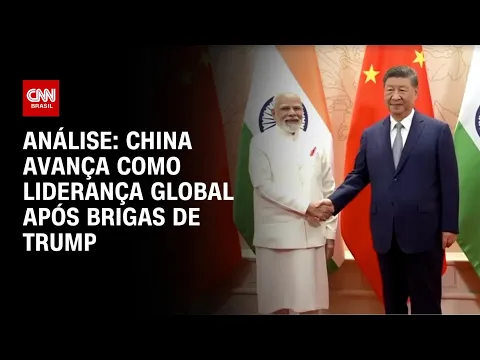
In parallel with the plenary sessions, Xi held bilateral meetings.
Among the meetings, he met with Prime Minister Narendra Modi, during his first visit to China since 2018.
According to the official Indian report, Modi reiterated that India seeks “to advance relationships based on mutual trust, dignity, and sensitivity.”
Although New Delhi and Beijing engaged in a deadly confrontation at the border in 2020, both sides have been testing steps towards de-escalation since the end of 2024, amid readjustments in commerce and Asian geopolitics.
Indirect Message to Washington and the West
Without explicitly mentioning the United States, Xi connected his appeal against “intimidation” to the defense of “fairness and justice” among countries.
The framing aligns with the Chinese narrative that Western powers resort to sanctions, tariffs, and unilateral pressures to shape global agendas — a sensitive topic in the current context of friction with Washington.
The presence of Putin reinforced the effort of sino-Russian coordination at a time when Moscow remains isolated from Western forums due to the war in Ukraine.
Military Parade in Beijing Projects Power
The summit takes place on the eve of a major military parade in Beijing, scheduled for September 3, 2025, when China celebrates the 80th anniversary of the end of World War II.
The proximity of the events helps to create a sequence of images that combine diplomatic projection and show of force.
For Beijing, the calendar reaffirms the narrative that the country should not be “intimidated” and that it seeks an external environment conducive to its national rejuvenation.
Belarus Debuts as Full Member; Iran Attends
This is the first summit with Belarus as a full member of the SCO, following the recent expansion.
Iran also participates in this new format, represented by President Masoud Pezeshkian.
Alongside partners from Central Asia, Pakistan, and Russia, Iranian presence solidifies the Eurasia–Middle East axis at the bloc’s negotiating table.
Practical Cooperation and an Alternative to NATO
Beijing and Moscow describe the SCO as an alternative to Western-led arrangements, but the bloc emphasizes practical cooperation in areas such as counterterrorism, drug trafficking combat, joint exercises, and trade facilitation.
In Tianjin, delegations discuss mechanisms to reduce vulnerabilities in production chains, expand settlements in local currencies, and finance cross-border energy and infrastructure projects.
Chinese authorities argue that these measures aim for stability and predictability in a scenario of external shocks and technological disputes.
Expectations and Uncertainties of the Bloc
As the two-day meeting progresses, the institutional tone prevails.
Nevertheless, divergences among members — from borders to external alignments — require careful calibration of final statements.
The hosts and guests hope that the visibility of Tianjin, combined with the military ritual in Beijing, contributes to establishing the image of a cooperation axis that is intended to be autonomous, multipolar, and resilient to external pressures.
The challenge now is to understand whether the message conveyed at the Tianjin summit will be sufficient to transform speeches into concrete commitments capable of influencing global balance.