






 Portuguese
  Spanish


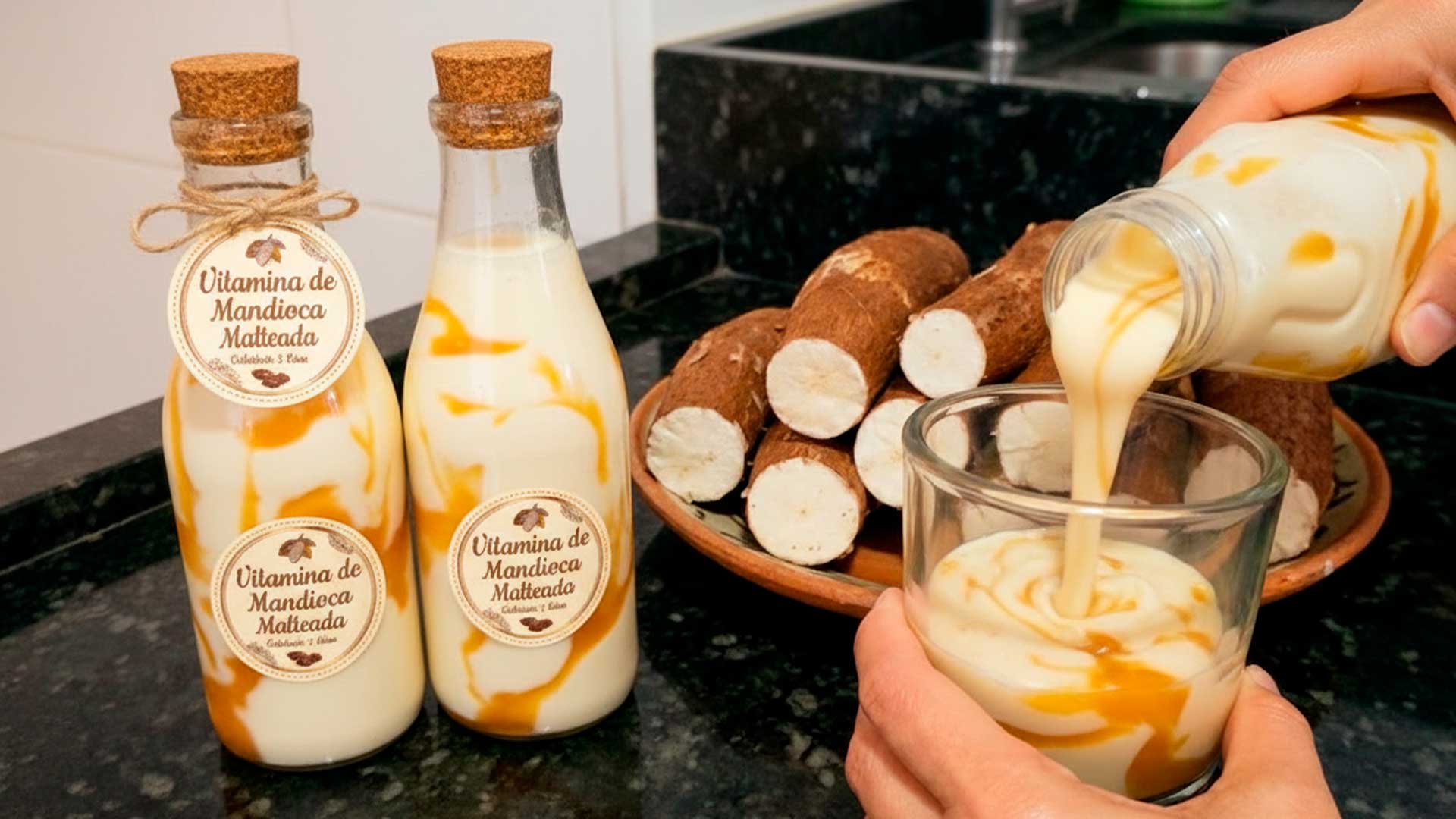


A Practical Recipe That Is Becoming a Trend Among Entrepreneurs Seeking to Start Small and Gain Extra Income Without Huge Investments, Using Only Accessible Ingredients and Creativity
The search for sources of extra income has led many Brazilians to explore the artisanal food market. Among the new trends, a proposal that combines tradition and practicality emerges: cassava smoothie served in gourmet bottles. The recipe, which blends simple and accessible ingredients, is becoming a viable alternative for those who wish to start a small business without the need for large initial investments.
The idea gained popularity on social media after being shared by entrepreneurs demonstrating how it is possible to turn everyday products into income sources. The proposal is especially attractive for those hesitant to start big, as it allows beginning with a few units and gradually expanding as demand increases. The smoothie can be sold for prices ranging from R$ 6 to R$ 8, generating an approximate profit of R$ 32 by selling seven small bottles a day.
Cassava, also known as manioc or yuca depending on the region, is one of the most versatile foods in Brazilian cuisine. Rich in carbohydrates, fibers, vitamins C and A, as well as minerals like potassium, it provides sustained energy and contributes to strengthening the immune system.
-
Engineers spend a decade building a $2.3 million bridge, but the project features a surreal curve, becomes a joke, and ends with seven suspended.

-
7-year-old boy acts without hesitation and saves his 1-year-old brother from drowning in the family pool in Texas: the boy’s courage impressed the sheriff and he may now receive an official police commendation.

-
The forgotten Atari stock that seemed like something out of a movie: millions of sealed cartridges were buried underground and were sold for very low prices.

-
Collector adapts forklift electric motor in a Kombi Corujinha pickup, hides 16 batteries under the bed, and makes the Brazilian classic run silently with up to 90 km of range.



The Step-by-Step to Make the Cassava Smoothie
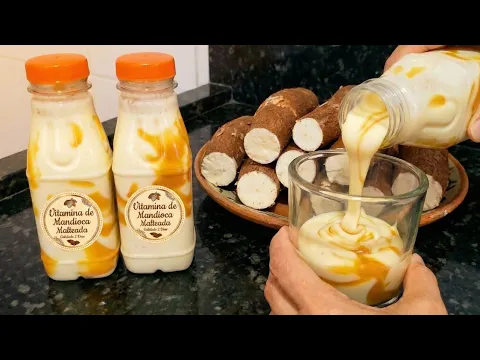

The preparation of the drink is straightforward and does not require sophisticated equipment. For a bottle of approximately 250 ml, ingredients that are likely already present in many Brazilian kitchens are needed. The recipe starts with cooking 500g of cassava, which should have its middle stems removed after cooking.
For an individual serving, one cup of cooked cassava, 50 ml of sweetened condensed milk, 150 ml of whole milk, two tablespoons of powdered milk, a generous tablespoon of sugar, and one cup of ice are used. All ingredients are blended in a mixer and strained before serving. The creaminess of the drink resembles that of old bakery smoothies, which nourish and provide sustenance.
The distinguishing factor is the presentation. The bottles are internally decorated with dulce de leche, creating an attractive visual that piques the customers’ curiosity. A package of dulce de leche for R$ 9.99 yields several bottles, making the investment in presentation quite affordable.
Sales Strategies and Product Preservation
Selling the cassava smoothie requires some specific care related to preservation. As it is an artisanal product without preservatives, the drink should be consumed within 24 hours when kept in the refrigerator. After 36 hours, the quality and flavor begin to deteriorate, making the product unsuitable for sale.
Keeping the bottles on the top shelf of the refrigerator, where the temperature is more stable, is essential for preserving quality. The product should not be placed in the fridge door or opened and closed multiple times. Freezing the prepared smoothie is also not recommended, as it alters the characteristics of the drink.
The best sales strategy identified by entrepreneurs already working with the product is to prepare the smoothies in the morning and sell them the same day, or to work on a pre-order basis. Taking an attractive photo of the product and sharing it in WhatsApp groups or social media the night before, announcing that there will be fresh smoothie the next day, has proven effective. Starting with three, five, or seven bottles and increasing as demand grows is the safest path.
Where and How to Sell Cassava Smoothie
The possibilities for commercialization are varied and do not require sophisticated storefronts. Neighbors, colleagues, WhatsApp groups in condominiums, and street sales are some of the channels that can be initially explored. The novelty of the product naturally generates curiosity, as cassava smoothies are still not common in many places.
A practical example demonstrates the market receptivity: when posting a photo of the bottles in a condominium group, all available units were sold in less than 10 minutes. The combination of a new product, attractive presentation, and practicality creates a strong appeal among consumers seeking options different from traditional beverages.
For those with a job, selling by pre-order is particularly practical. Receiving orders at night, preparing the smoothies in the morning, and delivering them the same day ensures maximum freshness and quality. Professional labeling of the bottles, which can be done at any printing shop at a low cost, adds perceived value and conveys professionalism.
Initial Investment and Profit Margin
With 500g of cassava and 1 liter of milk, it is possible to produce seven 250 ml bottles. The main ingredients include cassava, whole or plant-based milk, sweetened condensed milk, powdered milk, sugar, and dulce de leche for decoration. A box of sweetened condensed milk yields many units, just like the jar of dulce de leche.
The bottles can be purchased at packaging stores or online. With printed personalized labels, the product gains a professional look without high costs. The suggested selling price ranges from R$ 6 to R$ 8 per unit, depending on the region and target audience. Selling seven bottles at R$ 7 each, the approximate profit is around R$ 32.
For those starting out, the initial investment can be less than R$ 50, considering the purchase of ingredients and a few bottles. As sales increase, it is possible to reinvest profits to expand production. The business model allows for gradual and sustainable growth, without the need for debt or significant financial risks.
Cassava as a Trend in the Functional Food Market
The growing interest in natural and functional foods has highlighted cassava. According to recent data, the Brazilian cassava market moves millions of tons annually, with the product being used both fresh and in industrialized derivatives. The versatility of the root allows applications ranging from traditional cuisine to innovative products.
Healthy eating trends for 2025 indicate an increase in the search for foods that offer benefits beyond taste, such as those that promote energy and satiety. Cassava fits this profile perfectly, being rich in complex carbohydrates that provide sustained energy, along with fibers that aid digestion and prolong the feeling of fullness.
The combination with milk and sweetened condensed milk transforms cassava into a creamy and nutritious beverage, ideal for replacing quick snacks or serving as an energy complement. The product caters to both those seeking convenience and those who value the artisanal and homemade aspect of traditional Brazilian recipes.
What do you think of this business idea? Would you buy an artisanal cassava smoothie or try to make it to sell? Do you think simple and inexpensive recipes like this can really become consistent sources of income, or is the market already too saturated for small entrepreneurs? Leave your opinion in the comments and tell us if you know other accessible recipes that can become businesses!






u
Muito legal é criativo! Deus abençoe os pequenos empreendedores!
Achei muito interessante essa ideia sim ,ótima!!