Portuguese
  Spanish


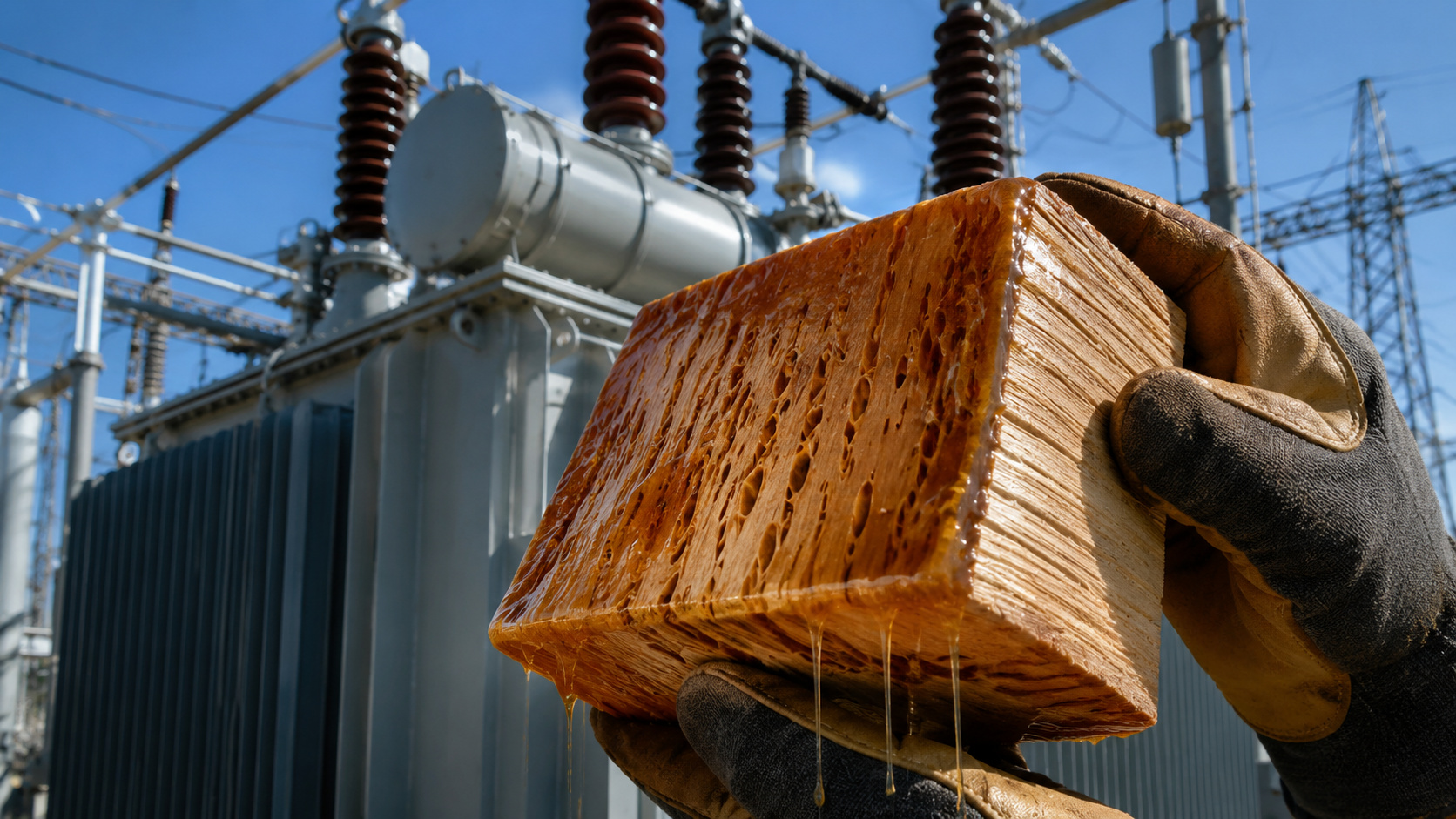

Research with densified wood shows how insulation for electrical transformers can gain resistance to heat, internal pressure, and wear in a network increasingly demanded by data centers, electric cars, and renewable energy
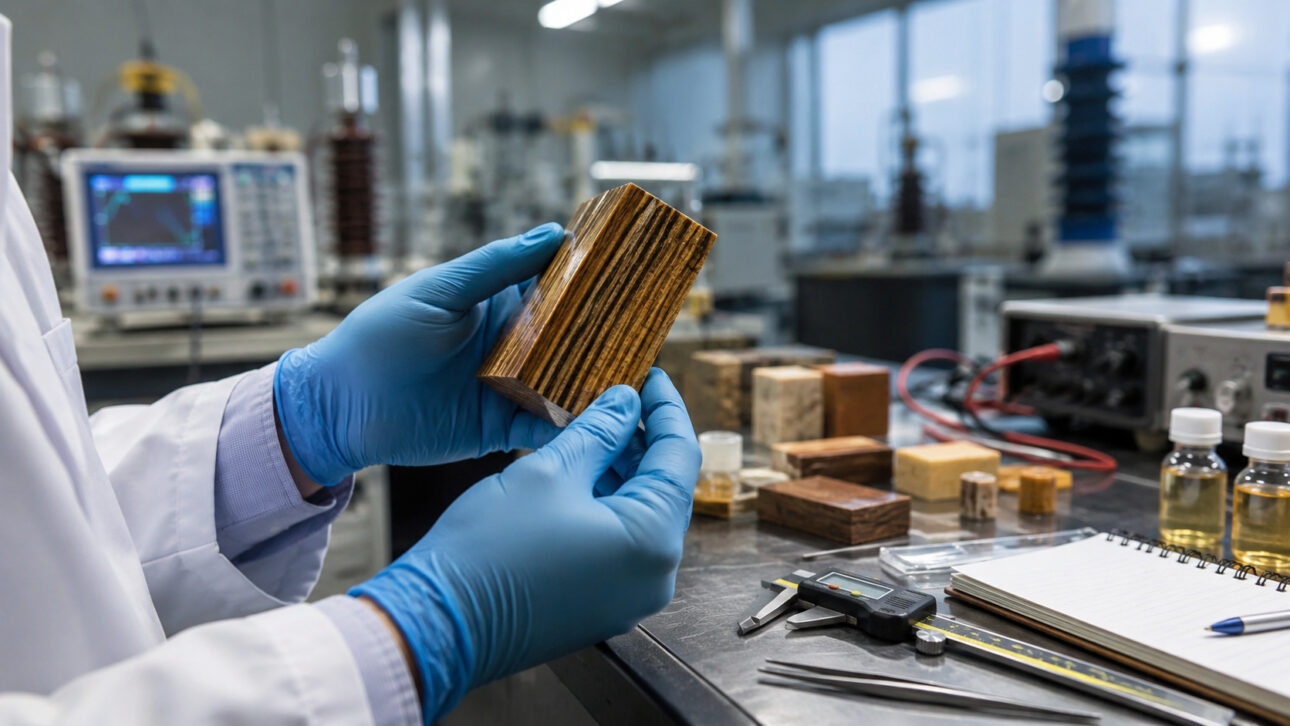
Wood has ceased to be just a construction material in a Yale research and has become insulation for electrical transformers, essential equipment for keeping energy circulating between power plants, transmission lines, industries, businesses, and homes.
The information was released by Yale School of Engineering, the engineering school of Yale University, on June 10, 2026. The material was developed to address a critical point of transformers: the wear of the internal insulation, which can compromise the functioning of these devices.
The study concerns a published research, not an immediate replacement in transformers in operation. Even so, the result draws attention because it uses a well-known raw material, wood, in an application aimed at the modern electrical grid.
-
More than 1,000 residents of a remote island in Kiribati now have clean water and electricity with solar systems operated by the community itself.

-
Ceará brings together 7 giants and R$ 66 billion to transform Pecém into the largest green hydrogen hub in Brazil, with final decisions expected by the end of 2026.

-
Scientists Convert Factory Waste Heat into Hydrogen Using Perovskite Catalyst at Significantly Lower Temperatures
-
Airbus and MTU Launch Joint Venture to Advance Hydrogen-Powered Electric Aircraft Engines, Paving the Way for a New Era of Low-Emission Commercial Aviation

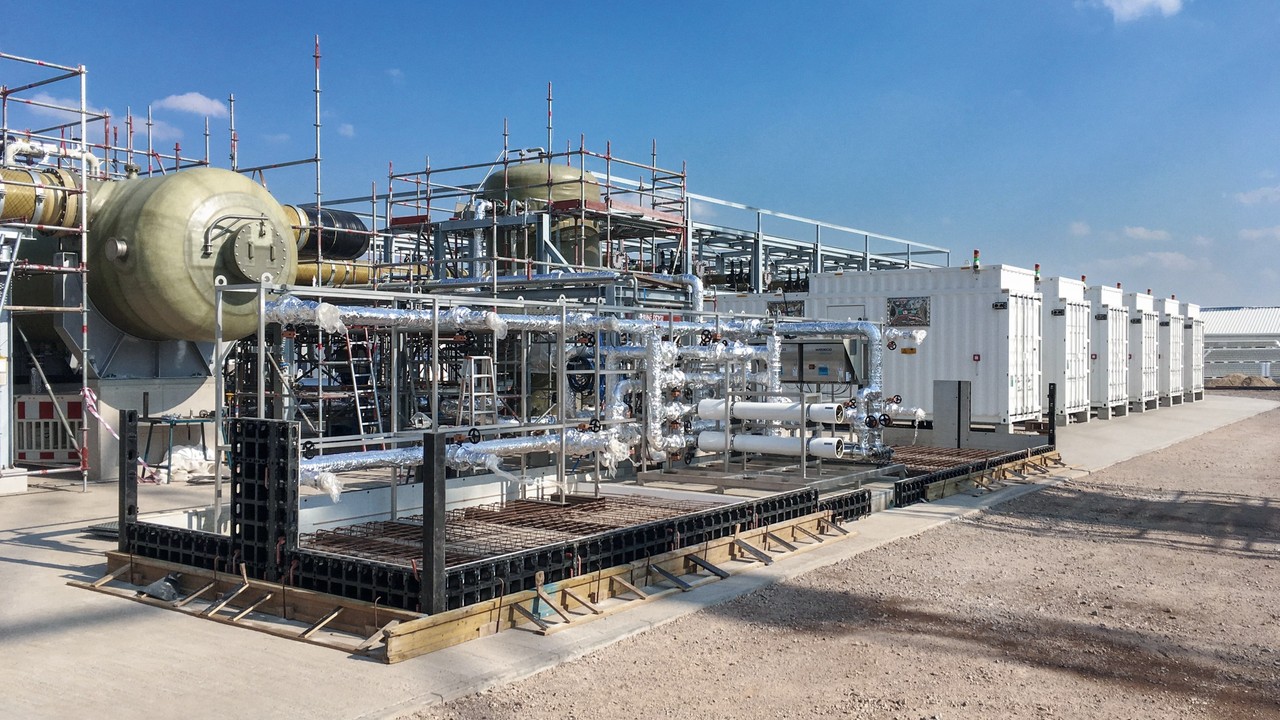


Electrical transformers are expensive and essential parts for the energy grid
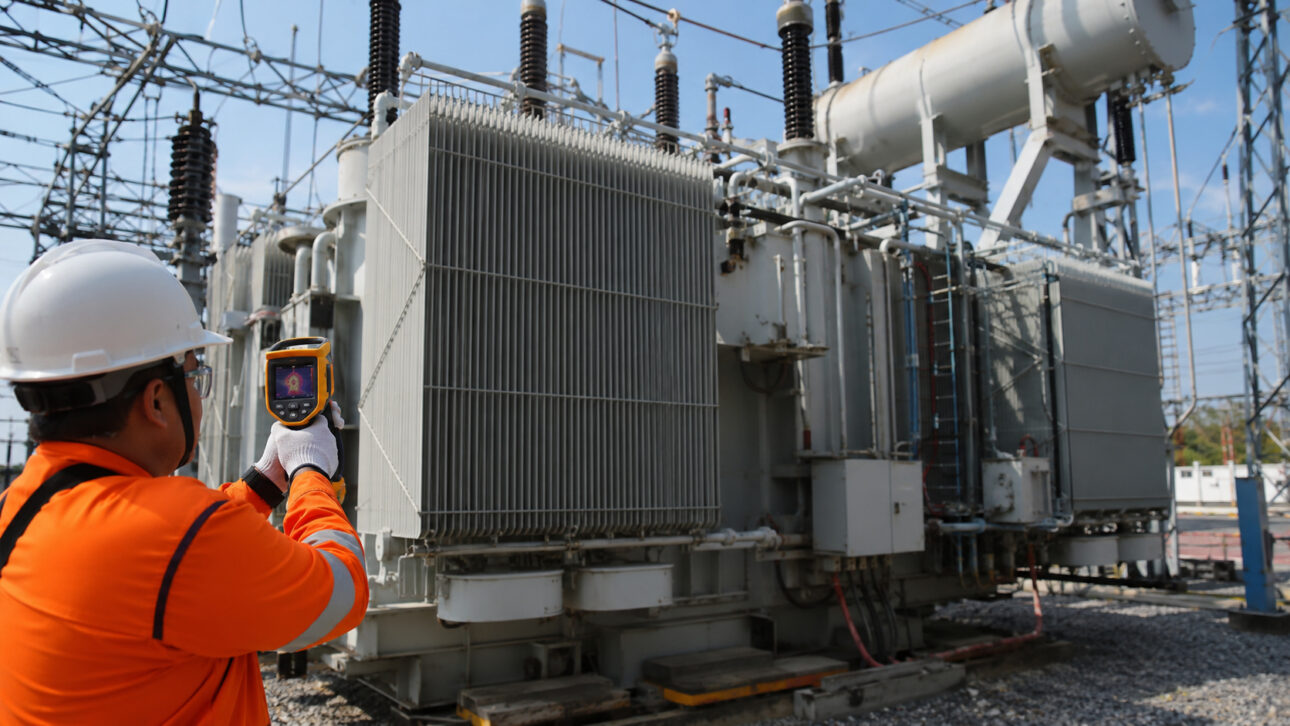
Electrical transformers help adjust the voltage of energy. In simple terms, they allow electricity to travel long distances and then arrive at suitable levels for different uses.
These devices are located at strategic points in the network. When a transformer fails, the problem can affect consumers, companies, and services that depend on continuous supply.
The pressure on the network grows with data centers, electric cars, and renewable energy. These uses increase the demand for electricity and require more from equipment that already works under heat, electrical load, and wear.
Yale’s research targets precisely this point: the internal insulation. It functions as a barrier that helps prevent electrical failures within the transformer.
The problem is in the insulation that protects the interior of the transformer
Large transformers use insulating materials to separate internal parts that conduct electricity. Without this insulation, energy can follow wrong paths and cause damage.
The traditional technology mentioned in the research uses Kraft paper with insulating oil, a solution associated with the 1890s. The paper absorbs oil and starts to work as an electrical barrier within the equipment.
The problem is that the oil can form small interconnected regions. When these regions connect, the electrical fault finds an easier path to advance.
Therefore, insulation is treated as a sensitive point. When it loses resistance, the transformer heats up more, ages faster, and becomes more vulnerable to failures.
How wood was transformed into insulation for electrical transformers
The team started with natural wood veneers. Then, they applied a mild chemical treatment to remove some natural compounds from the wood, such as lignin and hemicellulose.
Next, the wood received insulating oil and was compressed. This process made the material denser, with a more controlled internal structure.
Yale School of Engineering, the engineering school of Yale University, detailed that the previously larger channels were reduced to very small and separate channels during densification.
The idea can be understood like this: the oil is not spread in continuous paths. It becomes trapped in tiny channels, separated by dense cellulose walls.
Tiny channels make it difficult for the electrical fault to pass through the material
Cellulose is a natural part of wood. It forms a kind of resistant structure within the material.
In the densified wood, the oil channels are isolated. This makes it difficult for an electrical fault to travel continuously through the material.
This difference is important because oil, alone, withstands less electrical stress than cellulose. When the oil is connected at many points, the protection tends to become more fragile.
With the channels separated, the material starts to act as a more robust electrical insulation. The research shows that the internal organization of the wood is the secret to the performance.
Tests indicated more resistance and better heat control
In the tests, the densified wood showed tensile strength 3.5 times greater than that of high-density insulating paper with oil. Tensile strength is the ability to withstand force without breaking.
The material also had thermal conductivity 1.6 times greater in the thickness direction. In simple terms, this means more ease in conducting heat away from the hottest region.
This point is very important in transformers. Accumulated heat accelerates the wear of the insulation and can reduce the safety of the equipment over time.
In accelerated aging at 150°C for 6 weeks, the densified wood maintained more than 70% of its tensile strength. This type of test simulates intense wear in a reduced period.
Test model operated 10°C cooler using wood insulation
The team built a flat transformer model using densified wood as the insulation box. Under load, this model operated 10°C cooler than another model with common plastic insulation.
This difference was associated with better heat dissipation. To dissipate heat means to spread and remove heat from a region, avoiding concentration in sensitive points.
The study also indicates that the process may be compatible with continuous production in rolls and with different wood species. This information suggests the possibility of scale manufacturing, but does not mean immediate use in the electrical grid.
The application still depends on new steps, tests, and validations. The correct status is published scientific research, with experimental results in material and test model.
What this research could mean for networks pressured by new electrical demand
The power grid needs to handle increasing consumption and long-lasting equipment. The source mentions that many large transformers in the United States are over 25 years old, while the typical indicated lifespan is 30 years.
This data shows why the topic is of interest to the energy sector. When transformers age, any gain in insulation, heat, and resistance can help reduce technical risks.
The research also paves the way to study the same principle in dry transformers, motors, and printed circuit boards. All these devices rely on insulation to operate safely.
Modern power grids require more resilient materials, especially as electrification advances in industries, transportation, data storage, and renewable sources.
Yale’s densified wood shows how an ancient material can be redesigned to work within complex electrical equipment. The central point is not to replace construction wood with electricity, but to use the natural structure of wood as a base for more resilient insulation.
If new tests confirm performance under real conditions, this type of material could reinforce transformers facing heat, aging, and increased load on the grid.
Do you think lab-modified natural materials can help make energy more reliable in the future? Comment or share with those who follow technology and energy.