Portuguese
  Spanish


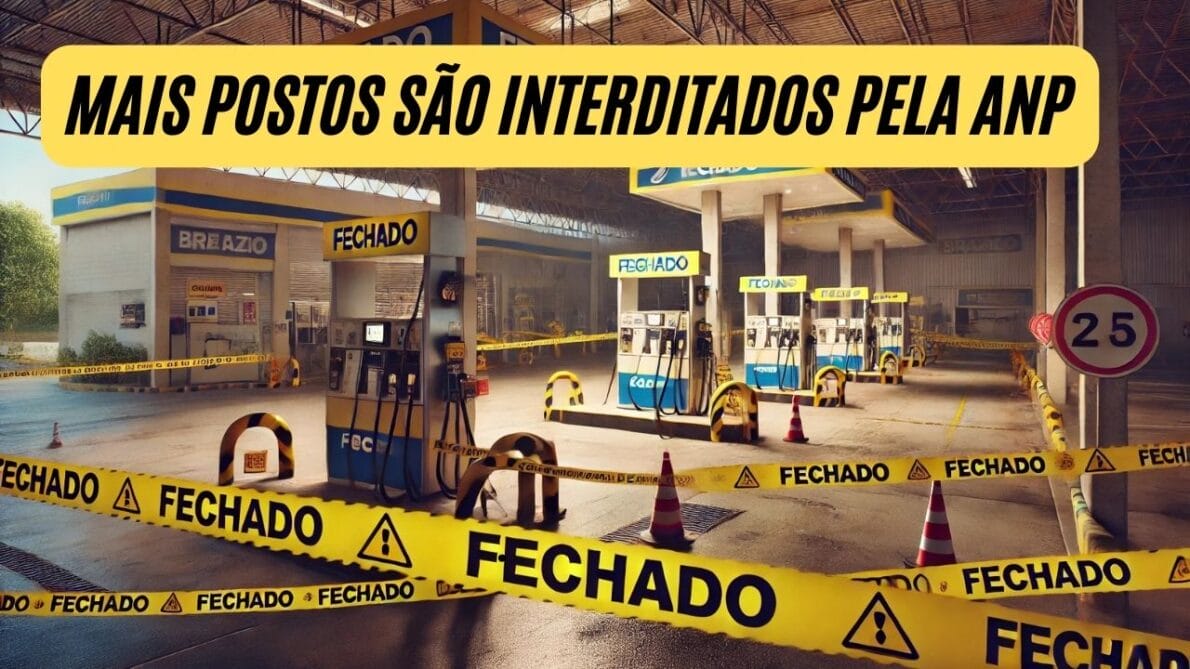

Between October 21 and 24, the National Agency of Oil, Natural Gas and Biofuels (ANP) conducted a significant operation to ensure the quality and legality in the fuel sector throughout the country, focusing on Bahia. The action, which involved agencies such as the Secretary of Finance of the State of Bahia (Sefaz-BA), the Baiano Institute of Metrology and Quality (Ibametro), Procon, and the Military Police, inspected a total of 49 fuel stations in ten Bahian cities, aiming to ensure that consumers are refueling with quality fuel and within the standards.
The first task force for inspection visited 26 stations in the cities of Conceição do Jacuípe, Feira de Santana, Conceição do Coité, Serrinha, and Santa Bárbara. In Feira de Santana, one of the fuel stations was shut down for selling additive gasoline C outside the standards established by the ANP. Another establishment in the city was fined for using the visual identity of a distributor while operating under a white flag, a practice that could confuse consumers regarding the source of the product. In Conceição do Coité, the inspection also caught a station violating the minimum operating hours, an infraction that compromises the regularity of the service to the public.
The second phase of the operation focused on the cities of Capim Grosso, Ourolândia, Jacobina, Várzea da Roça, and Riachão do Jacuípe, where 23 fuel stations were inspected. During this stage, a station in Capim Grosso was shut down for operating without proper authorization, resulting in the seizure of 5,206 liters of fuel. In Riachão do Jacuípe, another establishment was fined for displaying a distributor’s brand without proper registration. In total, 19 fuel samples were collected for laboratory analysis, which may identify fraud and adulteration in the products.
Consequences for Offending Fuel Stations
The sanctions for fuel stations found in irregularities are severe. The ANP imposes fines ranging from R$ 5,000 to R$ 5 million, depending on the severity of the infraction. The goal is to deter practices that put the consumer and the environment at risk, as well as to ensure fair competition in the market.
-
Brazil’s 2026 Tax Refund: Record 9.58 Million Filers in Largest Payout Ever, But a Key Detail on Priority Recipients Draws Nationwide Attention

-
Itaú Alters Hybrid Work Model, Increasing Office Days from 2028, Prompting Employees to Adjust to New Routine
-
Facing Labor Shortage, Japan Plans to Invest $34 Million to Attract Foreign Workers in Construction, Healthcare, Industry, and Commerce

-
Brazilian City Makes Remarkable Leap, Becomes 4th Wealthiest in the Country with GDP of R$ 134.1 Billion




The Importance of ANP Supervision
The action in Bahia is part of a national strategy by the ANP, which has promoted simultaneous inspections in other states, such as Amazonas, the Federal District, Maranhão, Minas Gerais, Rio Grande do Sul, Roraima, and São Paulo. These operations are a direct response to reports and irregularities detected at fuel stations, reinforcing the ANP’s commitment to protecting consumers and maintaining transparency in the fuel market.
Collaboration Among Agencies Strengthens the Fight Against Fraud
These operations were only possible thanks to the collaboration between the ANP and other regulatory and control agencies. Sefaz-BA, Ibametro, Procon, and the Military Police, along with the Technical Police Department (DPT) in some actions, worked side by side to verify everything from the quality of fuels to the legality of the establishments’ documents. The union of these efforts allowed for a more robust and efficient operation, focusing on ensuring consumer safety.
The ANP Closes Stations to Protect Consumers and Ensure Legality
These actions are a crucial step to strengthen consumer confidence in the fuel sector and demonstrate that authorities are vigilant against fraud and abuse. The ANP’s work is essential to combating irregularities and promoting a safer and more transparent business environment.
The expectation is that this intense inspection will yield positive results, encouraging fuel stations to comply with the standards, respecting both consumers and healthy competition in the market.