






 Portuguese
  Spanish
  3 min of reading
  1 comment


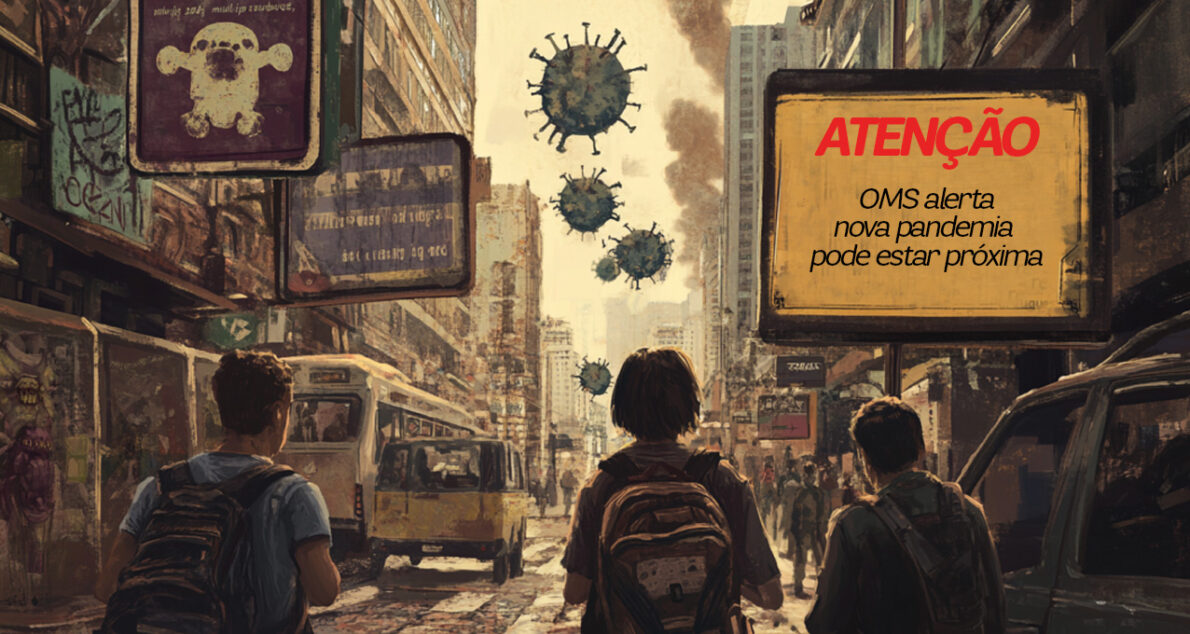

Imagine a scenario where a single bacterium, invisible to the naked eye, has the potential to paralyze the entire world. What may seem like the plot of a science fiction movie is increasingly becoming a reality, and the alert comes from the World Health Organization (WHO).
An emerging superbug, resistant to all known antibiotics, is spreading silently across various countries, and experts fear it could trigger the next pandemic.
According to the WHO, the organism in question is Klebsiella pneumoniae, a bacterium that, while part of the human intestinal flora, can become highly pathogenic when it goes out of control. The pathogen has been identified in at least 16 countries, including powers such as the United Kingdom, the United States, China, and Australia.
What is even more concerning is the fact that in 12 of these nations, a specific strain of this bacterium has already become resistant to all available antibiotics, establishing itself as a high-risk superbug.
-
Brazilian Joins Homeownership Consortium, Faces Decade of Dual Payments Totaling $141,000, Surpassing Traditional Mortgage

-
Helicopter Drops 180 Tons of Sand and Gravel on Swedish River to Revive Ecosystem Damaged by Decades of Exploitation

-
Brazilian Company Launches Retro Smartphone with 48 MP Camera, T9 Keyboard, and Privacy Features for Social Media-Free Use

-
Self-Taught Chinese Farmer Builds 5-Ton Submarine from Scrap, Launches It in Anhui River




The Nightmare of Antimicrobial Resistance
According to the WHO report, Klebsiella pneumoniae is considered hypervirulent, especially compared to its classic strains. This bacterium not only affects more vulnerable groups, such as the elderly and immunocompromised, but it can also make healthy individuals severely ill.
This feature, combined with resistance to last-line drugs, makes it a significant threat to global public health. Furthermore, the ability of this pathogen to cause outbreaks and infect more people increases the potential to trigger a pandemic of devastating proportions.
A New Potential Pandemic?
The idea that a resistant bacterium could trigger a new pandemic is not mere speculation. With the movement of people between countries and accelerated globalization, infectious diseases find fertile ground to spread rapidly.
As the WHO warns, the spread of this hypervirulent strain of Klebsiella pneumoniae could be just a matter of time unless strict control and prevention measures are implemented immediately.
What Is Klebsiella pneumoniae, the Superbug?
To understand the seriousness of the situation, it is essential to grasp what Klebsiella pneumoniae is. It is a Gram-negative bacterium, normally found in the human gastrointestinal tract.
Under normal conditions, it does not cause harm, but when it spreads to other parts of the body or grows uncontrollably, it can lead to severe infections.
Among the diseases caused by this bacterium are pneumonia, urinary tract infections, septicemia, and wound infections, being one of the leading causes of hospital-acquired infections.
The Race Against Time
In light of this alarming scenario, the WHO and other health authorities around the world are in a true race against time to develop new strategies and treatments capable of containing this threat.
Antimicrobial resistance is one of the greatest challenges of modern medicine, and the possibility of a superbug causing a global pandemic highlights the urgency for effective and coordinated actions.
Are we prepared to face a bacterial pandemic on a global scale? And if not, what can be done to prevent the world from entering a new era of uncertainties and isolation? The answers to these questions will be crucial for survival in a future that, by all accounts, will be increasingly challenging.




1