Portuguese
  Spanish


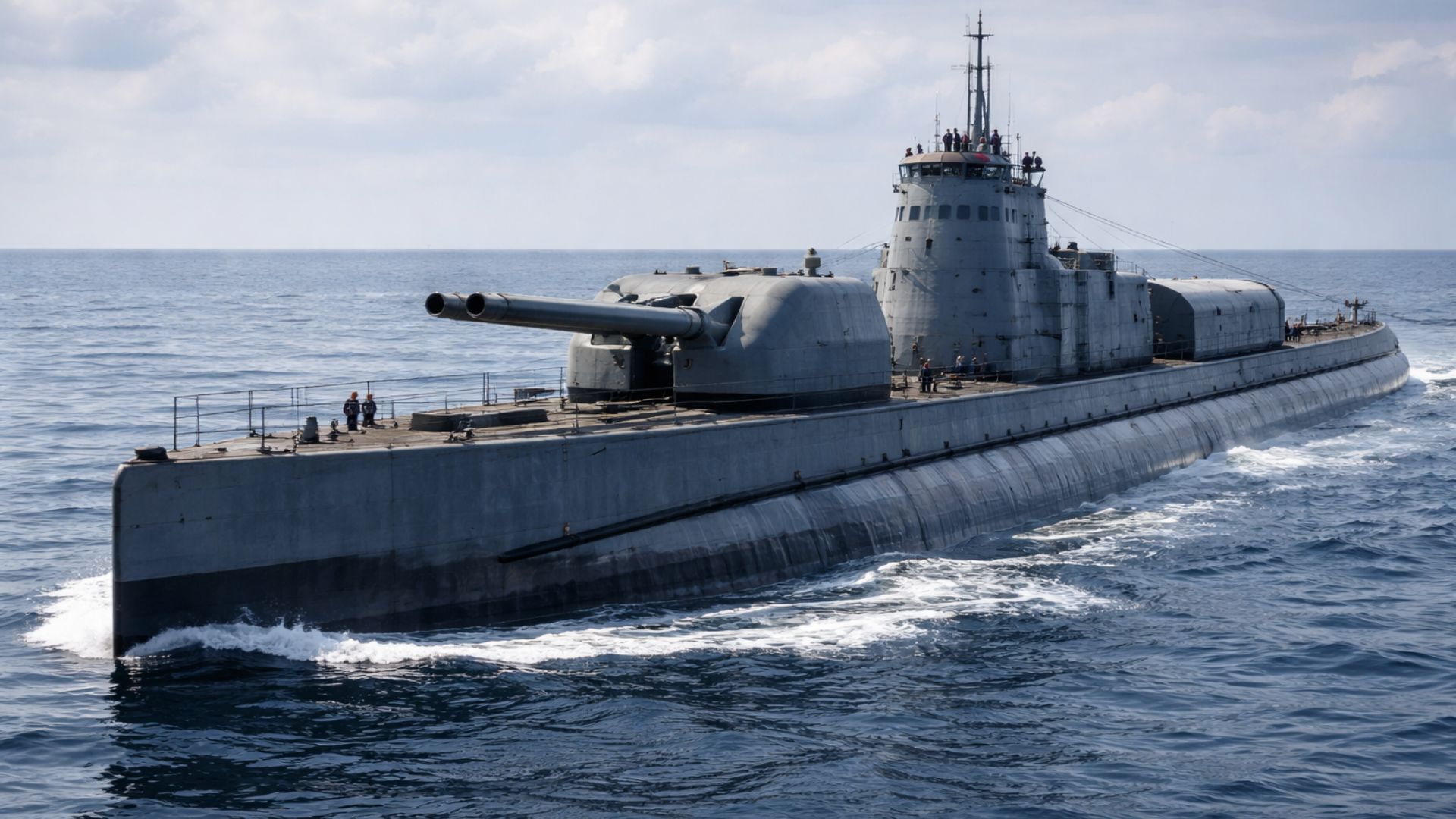


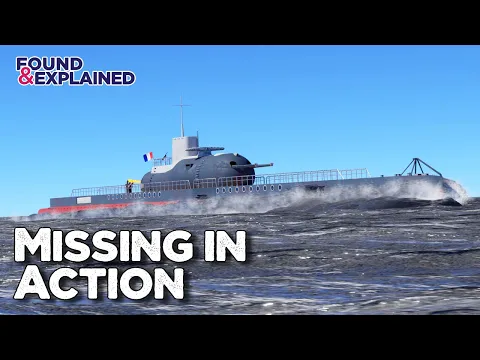
French Mega Submarine Surcouf Combined 203 mm Guns, Hangar with Plane, and Torpedoes in Unique World War II Design, Disappearing in the Caribbean in 1942 After Operating as a Submerged Cruiser Amid Rapid Naval Warfare Evolution.
The Surcouf was a large French submarine, about 110 meters long, designed to combine heavy artillery, torpedo tubes, and a watertight hangar with a reconnaissance plane, and disappeared during World War II in February 1942 in the Caribbean.
Conceived in the interwar period, the ship was designed to operate far from bases, patrol ocean routes, and attack targets of opportunity, bringing together in a single hull features that, in practice, had typically been separated between submarines and surface cruisers.
Submerged Cruiser Outside Naval Standards
Instead of relying solely on torpedoes and stealth, the Surcouf was conceived as a “submerged cruiser,” capable of surfacing, opening fire, and hiding again, exploiting the element of surprise in maritime interdiction missions and patrols in remote areas.
-
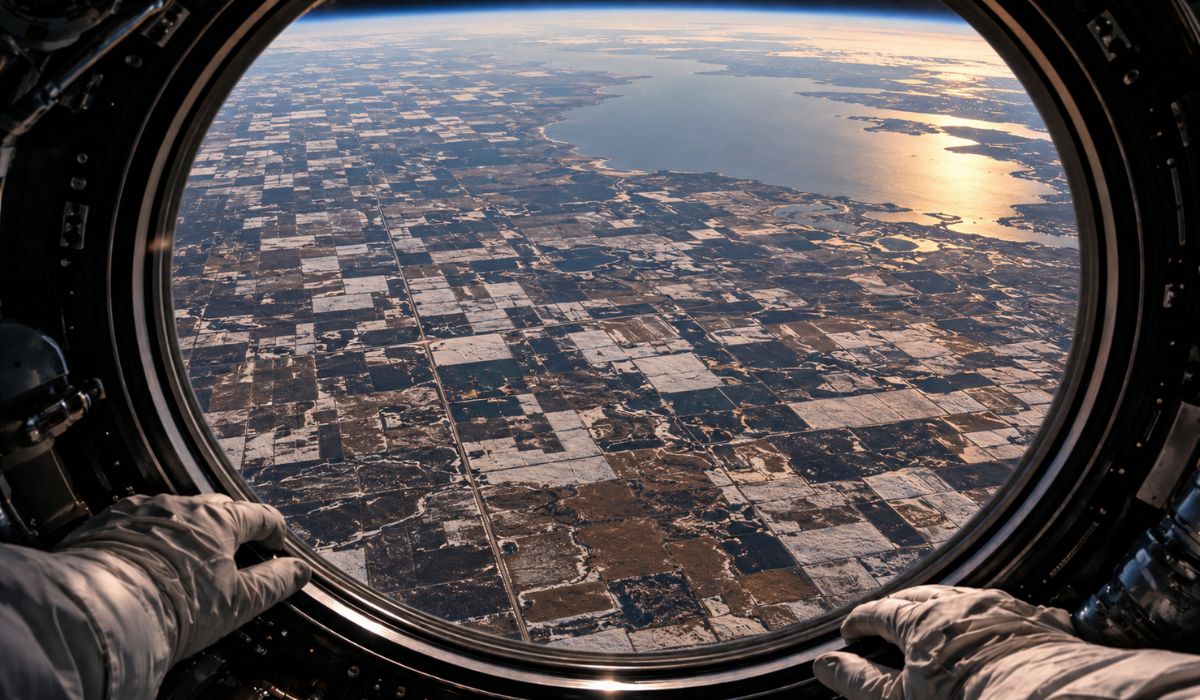
Seen from space, an astronaut captures in Canada a geometric carpet of crops drawn over the backdrop of a ghost lake that disappeared 12,000 years ago, was once larger than all the Great Lakes combined, and left a scar of fertile mud that still sustains agriculture.

-
Billionaire says the most valuable skill will help overcome job elimination caused by AI, following Bill Gates’ fears

-
A Dutchman created a ‘box’ that makes trees grow in the desert almost without water and without irrigation: the invention has already brought seedlings to dozens of countries and achieves up to 90% survival where common planting did not exceed 10%.

-
Abandoned warehouse hid a giant collection of rare computers, with over 2,000 artifacts from the 1930s to the 1980s.



This concept required unusual engineering decisions, as a submarine needs to balance buoyancy, stability, internal space, and hull strength while protecting sensitive systems from saltwater and sea shocks in repeated immersion cycles.
The result was a design that was larger and more complex than conventional attack submarines of the period, with additional maintenance, training, and logistics requirements—factors that tend to become even more critical when the vessel operates for long periods away from support.

203 mm Guns in Watertight Turret
The most striking feature of the Surcouf was its turret with two 203 millimeter guns, a caliber associated with cruisers, mounted on a structure designed to maintain sealing and protect mechanisms when the submarine was submerged, something rare even among experienced navies.
However, to fire, the ship needed to operate on the surface, which increased exposure time and required precise coordination of maneuvering, observation, and sea control, as artillery relies on visibility, stability, and more favorable weather conditions.
The intention, according to technical descriptions and historical accounts, was to save torpedoes and allow engagements against armed merchant vessels or vulnerable targets, although the use of guns also increased the submarine’s visual and acoustic signature during action.
Still, maintaining a fully functional large caliber turret after repeatedly surfacing and submerging posed constant challenges, as sealing, alignment, and resilience to sea impacts needed to continue operating flawlessly in an unforgiving environment.
Watertight Hangar and Reconnaissance Plane

Another element that placed the Surcouf in its own category was the watertight hangar for a small observation seaplane, the Besson MB.411, designed to extend the search radius by “bringing the eyes” of the submarine beyond the horizon.
In theory, the procedure seemed straightforward: surface, open the sealed compartment, assemble the aircraft on the deck, and launch it into the sea to take off, returning later to be retrieved, but the execution depended on relatively calm seas and strict operational discipline.
As the horizon limits what can be seen from the surface, especially over large ocean expanses, the embarked aviation offered reconnaissance and route identification advantages, reducing search time and helping to choose approaches with less risk.
On the other hand, this capability had costs in weight, internal volume, and complexity, as well as requiring trained personnel and constant maintenance in a submarine that already concentrated artillery ammunition, torpedoes, fuel, and support systems in tight spaces.
Torpedoes, Defense, and Diesel-Electric Propulsion
In addition to artillery and the plane, the Surcouf carried typical submarine armament, including torpedo tubes and anti-aircraft weapons, reinforcing the intention to operate flexibly, alternating between stealthy attacks, defense, and surface actions when necessary.

In widely cited specifications, the vessel is reported to be equipped with ten torpedo tubes, combining different calibers, illustrating how the design sought to maintain traditional underwater capability even while incorporating unusual functions for a submersible craft.
The propulsion followed the diesel-electric standard of the time, with diesel engines on the surface for navigation and battery recharging, and electric motors underwater, which limited speed and range while submerged and made long crossings more dependent on surface operations.
In such a large hull, each choice generated cascading effects, from fuel consumption to space for crew and spares, and this weighed on the routine of a ship that had to balance extensive patrols with delicate procedures, such as the use of artillery.
Disappearance in the Caribbean in 1942
When World War II turned the Atlantic into a battleground, the rapid evolution of radar, aviation, and anti-submarine warfare reduced the operational margins of vessels needing to surface to perform complex tasks, even when these tasks promised tactical advantages.
The Surcouf also went through a period of political turmoil and reorganization of French forces abroad, changing command and operational role, while allied navies prioritized standardization and mass production, favoring simpler and more repeatable submarines.
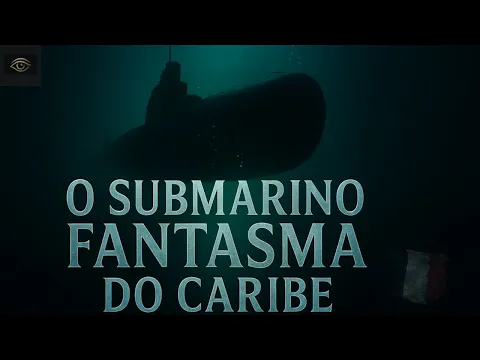
The end of the ship consolidated its fame: the Surcouf disappeared on the night of February 18 to 19, 1942, in the Caribbean region, on a route that included passing through the Panama Canal, and there was no return or definitive confirmation of a single scenario.
Reports from the time attributed the loss to a collision at sea with the American freighter Thompson Lykes, but later analyses indicate that the explanation is not conclusively established in public records, keeping the case as one of the most debated episodes.
In historical perspective, the Surcouf became a symbol of extreme naval experimentation, attempting to gather in a submerged platform the logic of aerial reconnaissance, the psychological impact of cruiser guns, and the traditional effectiveness of torpedoes in long ocean patrols.
The fact that a submarine was built to carry a plane in a watertight hangar and operate with 203 mm guns helps understand why the project continues to spark interest, but what other little-remembered solutions are still hidden in 20th-century naval programs?