






 Portuguese
  Spanish
  3 min of reading
  0 comments


Automated Stores Multiply In South Korea With 24 Hour Operation And Without Employees, Driven By Demographic Crisis, High Wages, And Technological Advancement
On the outskirts of Seoul, the capital of South Korea, it is not difficult to find stores operating throughout the night. Ice cream shops, stationery stores, bars, and even sushi shops operate without a single employee present. Consumers simply select what they want and pay at an automatic kiosk.
These establishments operate 24 hours a day and are becoming common. Bars in the city center have also adopted this model.
One example is Sool 24, created by Kim Sung-rae. The name means “alcohol 24 hours” and the bar operates with only two people, even though up to 15 would be needed for a conventional operation.
-
Helicopter Drops 180 Tons of Sand and Gravel on Swedish River to Revive Ecosystem Damaged by Decades of Exploitation

-
Brazilian Company Launches Retro Smartphone with 48 MP Camera, T9 Keyboard, and Privacy Features for Social Media-Free Use

-
Self-Taught Chinese Farmer Builds 5-Ton Submarine from Scrap, Launches It in Anhui River
-
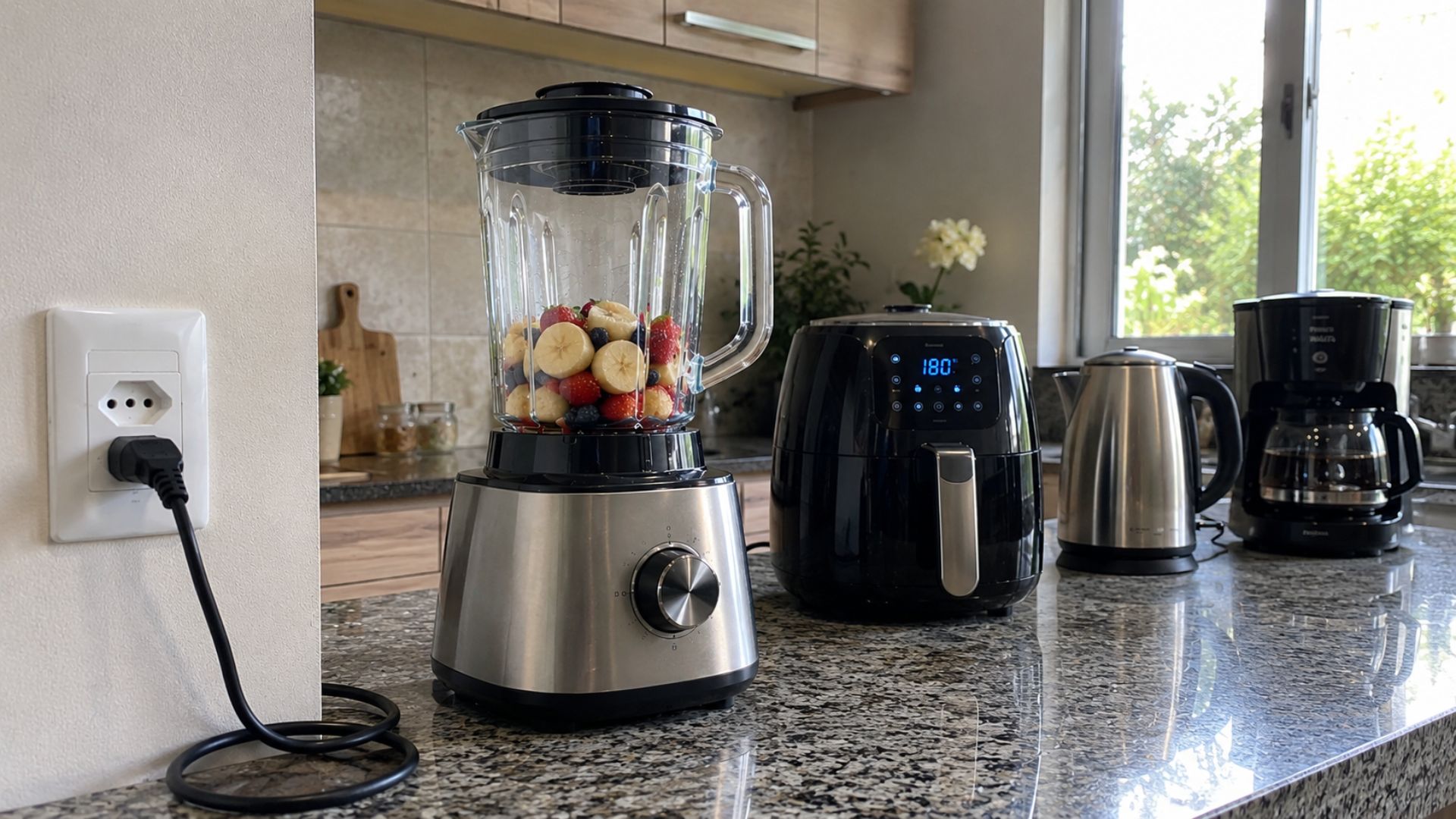
Invisible Induction Technology Enables Wireless Power for Blenders, Coffee Makers, and Air Fryers, Reducing Countertop Cables




Market-Driven Change
Kim explains that he previously had a traditional bar, but revenues were low. With the adoption of the automated system, profits increased. He attributes this change to the combination of two factors: rising minimum wage and declining birth rate.
Since the year 2000, the minimum wage has been steadily increasing. Currently, it is around US$ 7 per hour, equivalent to approximately R$ 39. For Kim, this made it unfeasible to maintain a large staff. The alternative was to adopt automation.
The country is also facing a serious demographic crisis. In 2023, the fertility rate was 0.72 children per woman, one of the lowest in the world. In 2024, it slightly increased to 0.75, but it is still far from the level needed to maintain a stable population, which would be 2.1 children per woman.
Pandemic Accelerated Changes
During the COVID-19 pandemic, the model of employee-less stores gained momentum. With social distancing measures, it became a viable option to continue selling without crowds. Moreover, younger generations tend to avoid so-called “3D jobs” – difficult, dangerous, or considered humiliating.
Many young South Koreans prefer to work in high-tech fields or start their own businesses, according to lawmaker Cho Jung-hun, who is part of the Permanent Education Committee. For him, the trend is inevitable and the country needs to invest where the value of work is greater.
Sector Grows With Business Support
Kwon Min-jae is one of the entrepreneurs who took advantage of the scenario. He created the company Brownie, specialized in managing stores without employees. He started with two units and now manages over 100. His team handles cleaning, maintenance, and restocking of the establishments.
According to Kwon, owners prefer to pay between US$ 100 and US$ 200 per month to let his company handle the service. This reduces management effort and increases efficiency.
Security Helps With Expansion
The crime rate also contributes to the success of this model. Kim Sung-rae reports that he has had customers who forgot to pay and returned later to settle the purchase. For him, the cost of keeping security personnel is higher than potential losses from thefts.
With the advancement of technology, other jobs may also disappear. The forecast is that by 2032, the country will need nearly 900,000 new workers to maintain its annual growth target of 2%.
Even with union concerns, many entrepreneurs remain optimistic about the future of automated stores.
With information from BBC.




Be the first to react!