






 Portuguese
  Spanish
  2 min of reading
  15 comments


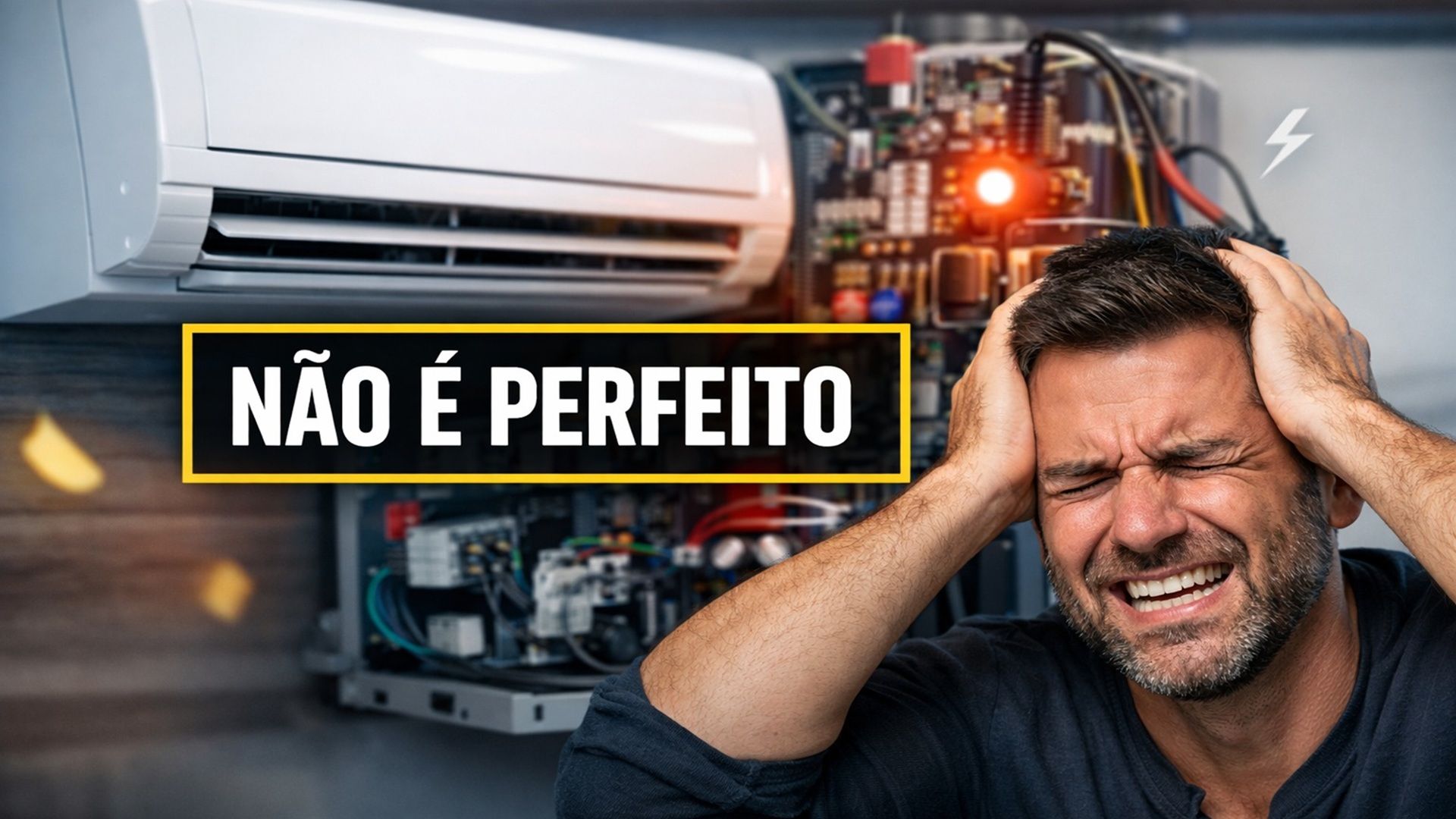


Behind The Promise Of Savings, Silence, And Advanced Technology, The Inverter Air Conditioner Presents Practical Limitations, Hidden Costs, And Risks That Are Rarely Explained To The Consumer At The Time Of Sale
The inverter air conditioner has gained fame for promising savings, silence, and greater thermal comfort, but there are points that are not highlighted at the time of purchase. Understanding these limitations helps avoid frustrations and unexpected costs after installation.
Higher Initial Cost Impacts The Budget
The price of an inverter air conditioner is often significantly higher than that of conventional models of the same capacity. This initial difference can make the purchase unfeasible for those seeking an immediate and more affordable solution.
Even with the promise of savings on consumption, the financial return is not immediate. In many cases, the extra amount paid takes years to be compensated on the electricity bill.
-
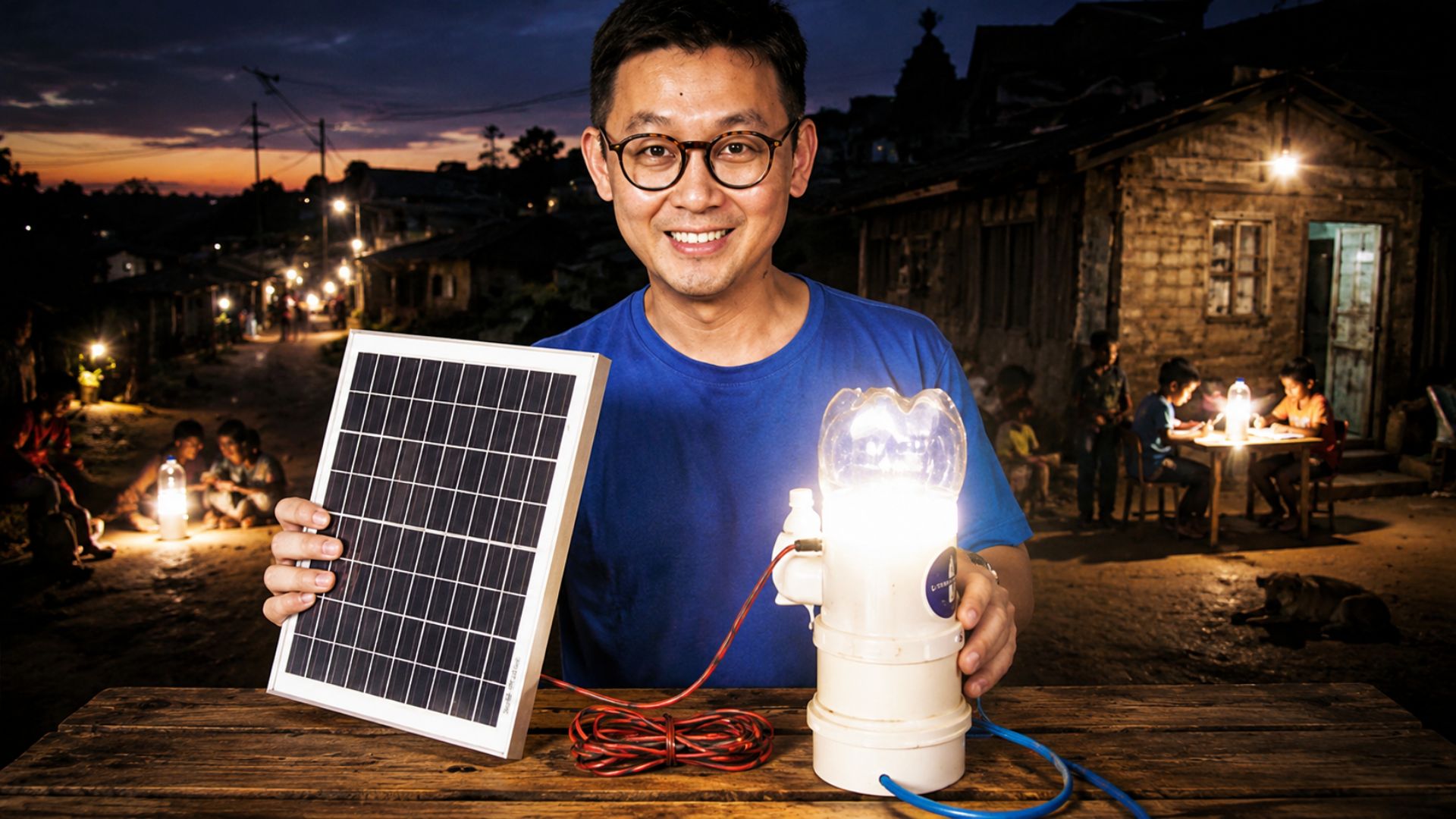
Brazilian mechanic invented a lamp made from a PET bottle during the 2001 blackout, the idea turned into an NGO present in 30 countries and has already illuminated 40,000 people in 200 communities without electricity in Brazil.

-
Centuries-old mystery gains new chapters in Greece after excavations reveal a possible lost temple of Poseidon, hidden among ancient lagoons, monumental remains, ritual objects, and an architectural plan that surprised even the experts.

-
2-month-old baby says “I love you” to parents and the video froze the internet: doctors say most babies only speak after the first year of life
-
At 98 years old, Priscilla Sitienei returned to school in uniform, sits next to children, and has a new dream: to become a doctor, after decades of working as a midwife in rural Kenya.


Maintenance Requires Specialized Labor
Unlike traditional models, the inverter uses more complex electronic boards and sensors.
This limits the number of truly qualified technicians to perform correct and safe repairs.
As a consequence, simple services tend to cost more. Additionally, diagnostic errors are more common, increasing the risk of unnecessary component replacements.
Energy Savings Do Not Always Happen
The efficiency of the inverter directly depends on the usage profile. In places where the unit is turned on for only a few hours, the promised savings may be minimal.
Very hot environments, poorly insulated, or with high temperature variations also reduce energy gains, bringing consumption closer to that of conventional models.
Sensitivity To Electrical Variations Is Concerning
The electronic systems of the inverter are more sensitive to voltage fluctuations. In regions with an unstable power grid, the risk of damage to the board increases considerably.
Without the use of appropriate protectors, such as SPD or proper stabilization, the equipment may experience early failures and high repair costs.
Parts And Replacement Are More Expensive
Specific components, such as inverter boards and sensors, are priced high and are not always available for immediate delivery. This can result in long periods of non-functioning.
In some cases, the cost of the part represents a significant portion of the price of a new unit, making repairs economically questionable.
Despite the real advantages, the inverter air conditioner is not a perfect solution for all profiles. Evaluating cost, usage, and electrical infrastructure is essential before making a purchase.


Comprei um inverter 12.000 btus Sansung. Usei 30 dias, agora esta só decorando as paredes, ja consertei 5 vezes, e ainda com defeito, **** na serpentina, agora foi o motor que foi pro brejo. O conserto? 2.400,00 não compensa. Estou até hoje esperando a assistência.
Tor no mesmo b.o par vender são ótimos depois os b.o vem só par lembra o meu e Philco só 😤dor de cabeça assistência técnica e 🤬o rival pedir meu reembolso vou comprar um monal..🤔
Qual o melhor ar condicionado
Prefiro o meu gree de janela 7.000 BTUs 13 anos tenho ele gela muito bem nunca deu defeito pode até gastar mais energia prefiro ele do que essa nova tecnologia ai