






 Portuguese
  Spanish


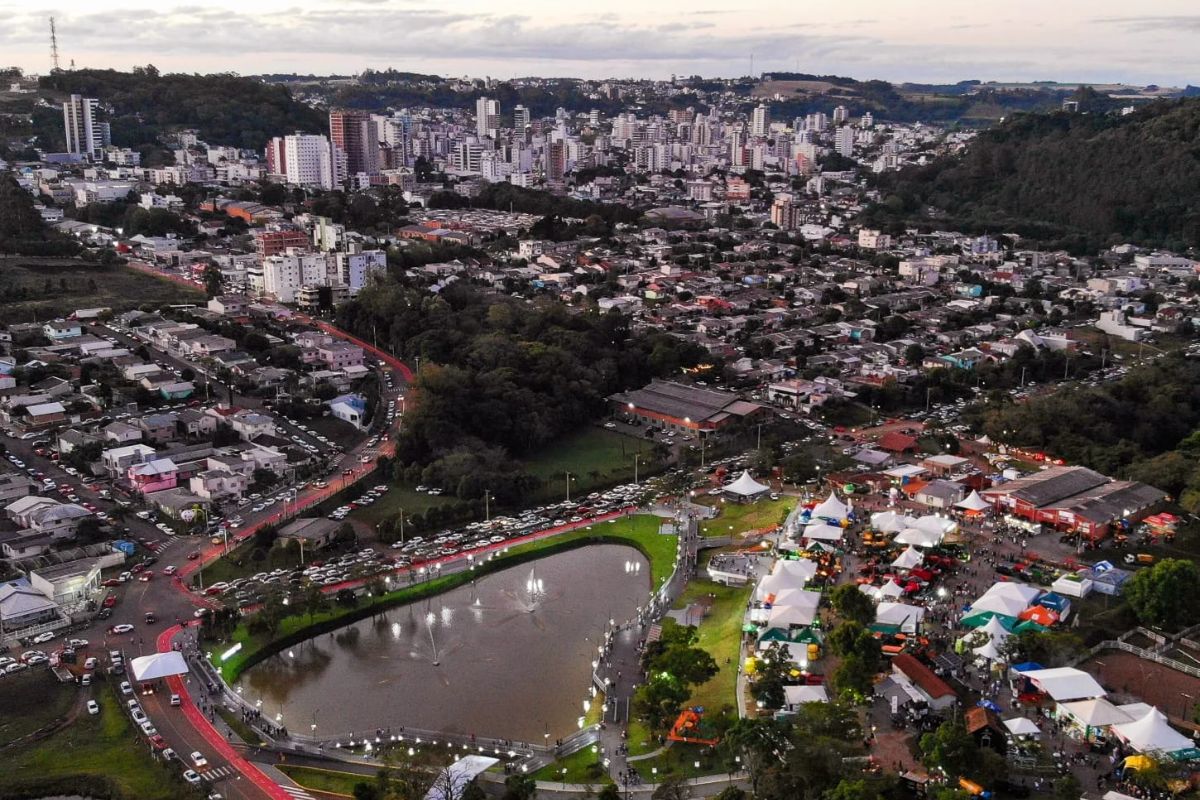


The City of Marau, in the Interior of Rio Grande do Sul, Reaches 0.827 in the Index, Divides National Leadership and Shows How Efficient Management and Engaged Population Elevate Quality of Life
When it comes to urban cleaning, Brazil is rarely mentioned as a reference, but a city in the interior of Rio Grande do Sul broke this logic with measurable results. Marau topped the national ranking for solid waste management by achieving one of the highest scores ever recorded in the Urban Cleaning Sustainability Index, the ISLU.
The survey, released in 2024, evaluates how each city handles the waste it produces and highlights a central point: planning, operational efficiency, and social engagement can generate consistent performance even outside the major centers.
Why The City of Marau Appeared at the Top of the ISLU
Located in the northern region of Rio Grande do Sul, the city of Marau stands out for its urban organization and continuous investments in public services.
-
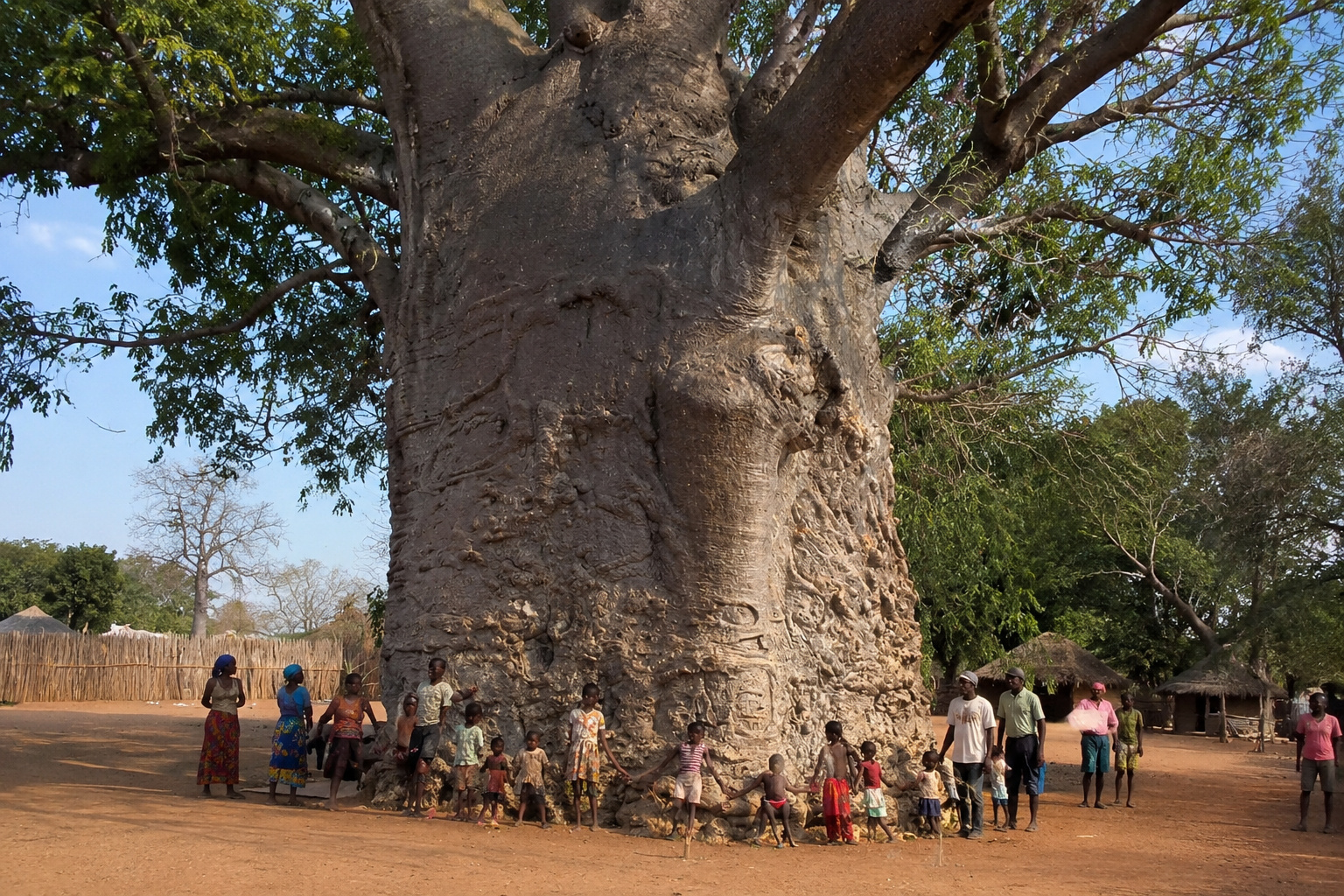
Few people know, but there is a 2,000-year-old tree in South Africa that “roars” when the wind blows through its branches and stores up to 4,500 liters of water in its trunk, becoming a source of life for the community.

-
Neto took refuge on the family farm in the hinterland of RN, found 2,000 surviving coffee plants from a plantation his grandfather had planted in the 1980s, revived the production, added 8,000 seedlings, and harvested 40 sacks of specialty coffee in a region marked by water scarcity.

-
At a depth of 750 meters, scientists find real gold trapped in the so-called “fool’s gold,” with a content of up to 1.9% in microscopic grains, but the record concentration still does not confirm a deposit ready for commercial exploitation.
-
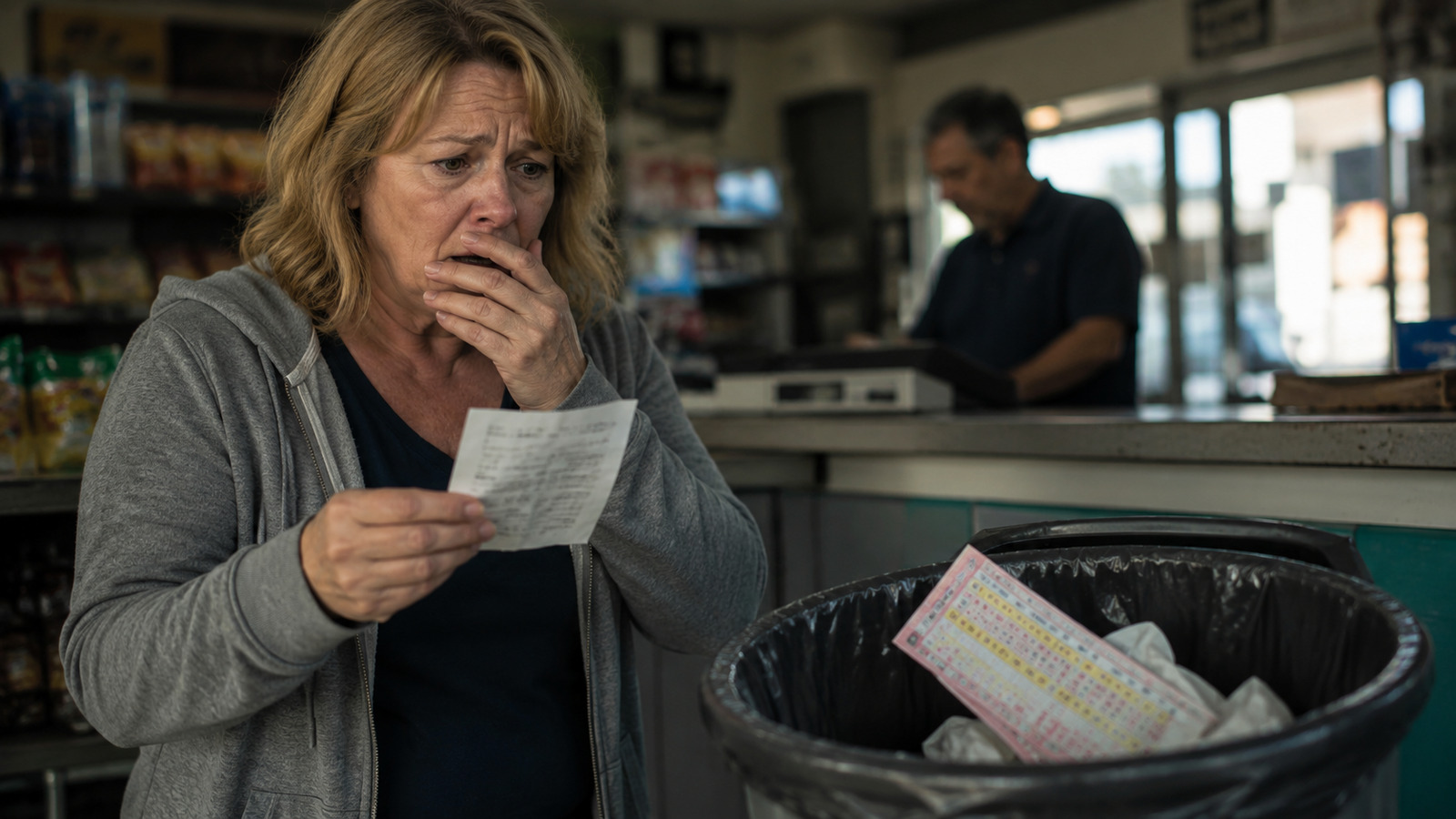
Mother discovers she may have won £12 million in the lottery but faces an agonizing wait after the shopkeeper threw the ticket in the trash.



With about 45,000 inhabitants, the municipality has been betting on efficient planning and management to ensure quality of life for the population, an effort that has gained national recognition.
The ISLU assigns scores from 0 to 1 to cities, considering criteria related to solid waste management, operational efficiency, and sustainability of services. The closer to 1, the better the performance.
How The Urban Cleaning Ranking Works and What The ISLU Measures
The Urban Cleaning Sustainability Index was created by the National Union of Urban Cleaning Companies, Selurb, in partnership with PwC Brazil.
The methodology observes how the city organizes waste collection and treatment, as well as indicators of efficiency and sustainability of the system.
In practice, the index helps to show that urban cleaning does not depend only on “sweeping more,” but rather on management, logistics, and consistent routines. The city that plans better tends to waste less and deliver more.
Score 0.827 and Divided Leadership in the National Ranking
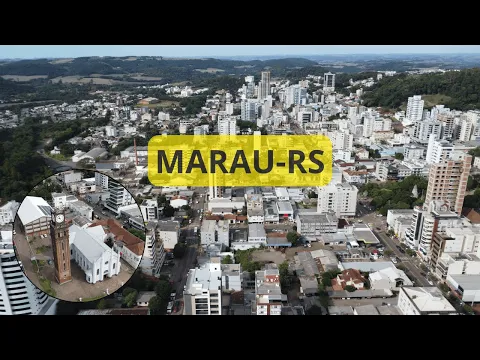

Marau achieved a score of 0.827 and shared national leadership with Braço do Trombudo in Santa Catarina. The result places the city of Rio Grande do Sul above larger municipalities with more complex structures, reinforcing that size is not a guarantee of efficiency when waste management is fragmented.
After them, other cities with scores above 0.81 appear, a level considered high within the index, such as Sapucaí-Mirim in Minas Gerais, Itapiranga in Santa Catarina, Presidente Lucena in Rio Grande do Sul, and Não-Me-Toque in Rio Grande do Sul.
The ranking reveals a concentration of good results in smaller municipalities, where technical planning tends to be better executed from end to end.
Efficient Management: Realignment of Contracts and Cost Reduction
In the case of Marau, performance is linked to strategic administrative decisions. The city hall has promoted realignment in waste collection contracts, reducing costs while simultaneously expanding the services provided.
The focus has shifted to operational efficiency, without compromising the coverage of collection or the quality of urban cleaning.
This type of adjustment is what differentiates a city that merely maintains the service from a city that improves the system over time. Reducing costs without reducing delivery is the key point.
Population Engagement: Correct Separation and Adequate Disposal
Another decisive factor for the result was the involvement of the population. The municipal administration points out that residents have been becoming aware of the correct separation of waste and the adequate disposal of debris.
This collective behavior reduces failures in the system, improves collection logistics, and enhances the outcomes of public management.
In other words, the city does not only depend on trucks and teams; it also depends on what happens at home, in the way waste is separated and disposed of. When the population participates, the system performs better.
What The Cleanest City in Brazil Proves to The Rest of The Country
The case of Marau shows that a city can achieve high performance in urban cleaning when it aligns technical planning, continuous execution, and social participation.
The result also reinforces a trend within the ranking itself: smaller cities, when organizing processes and maintaining regularity, can achieve more consistent results than larger centers, where waste management tends to be more complex and less integrated.
If your city wanted to make a leap in urban cleaning, do you think the first step should be contract management, population education, or waste disposal enforcement?





Mais importante é o marco de aparecer uma cidade com gestão ambiental coerente
A manchete menciona Japão e Europa mas o ranking é nacional… Tá certo
Por que não colocaram uma foto mais adequada ao anúncio? Essa aí é pra afastar qualquer turista.