






 Portuguese
  Spanish
  4 min of reading
  0 comments


Researchers Analyze Rare Coins with Crosses and Castles and Strengthen the Link Between Shipwreck in Colombia and the Galleon San José of 1708
Colombian researchers have presented new data on one of the largest shipwrecks in history. A detailed study strengthens the hypothesis that the wreckage found off the coast of Cartagena, Colombia, belongs to the galleon San José, a Spanish ship sunk in 1708.
The vessel is said to have disappeared during a battle against British ships while carrying one of the most valuable cargoes in colonial history.
180 Tons of Wealth on the Ocean Floor
According to historical records, the San José carried about 180 tons of gold, silver, and precious stones. The cargo was valued, in current terms, at approximately US$ 17 billion — the equivalent of about R$ 95 billion.
-
Man creates ingenious hack with pipes buried 2.4 meters deep and transforms snow into a tropical fruit greenhouse; system created by a retired mailman uses ground heat, produces oranges and lemons in Nebraska’s winter and has already turned into more than 700 kits sold.

-
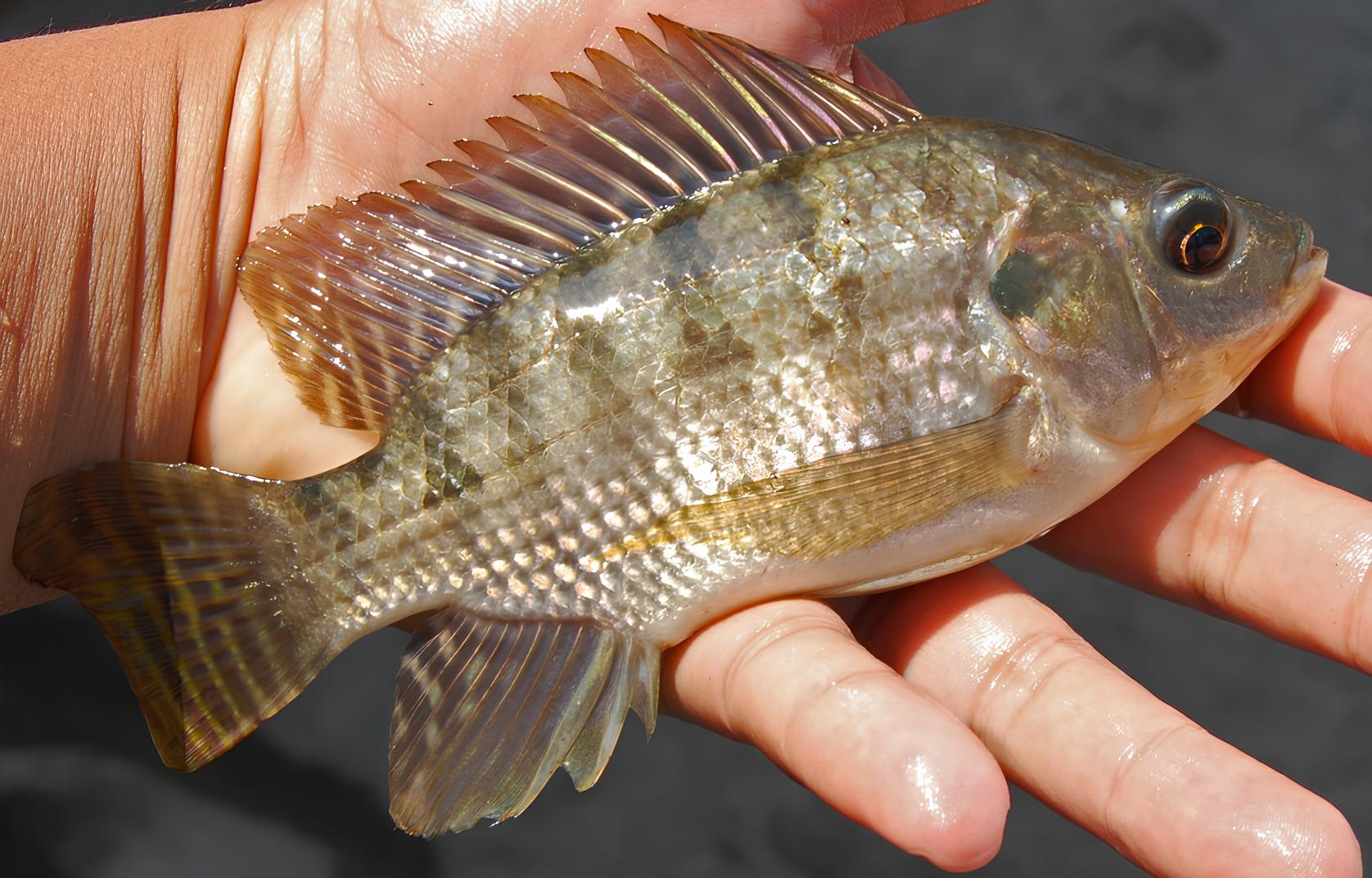
An African fish is terraforming lakes by altering sediments, increasing turbidity, and changing the food chain: the silent advance of the tilapia Oreochromis niloticus

-
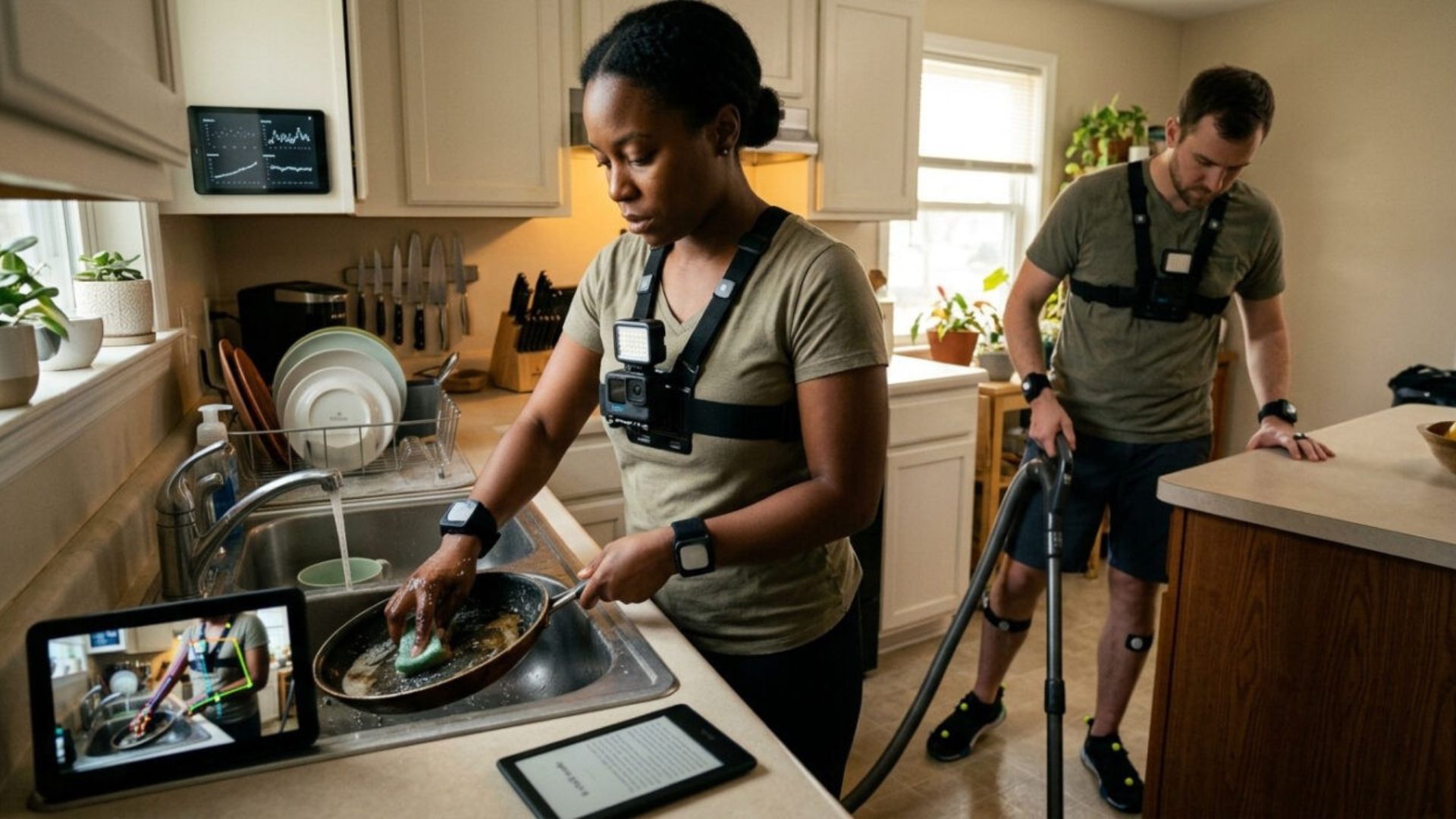
In the USA, thousands of people are being paid to wash dishes and clean the house with body cameras, every movement turning into data to train robots to imitate humans, in a new “digital gig” that could redefine the future of domestic work.
-
At 22 years old, a young person from Recife creates an artificial intelligence startup with a team barely over 25, serves giants like Bayer and Ipiranga, earns millions without taking a cent from investors, and transforms a young company into a national AI phenomenon.


The shipwreck occurred amid a confrontation with British forces in the Atlantic Ocean. The vessel led an important fleet of the Spanish Empire during the colonization period of the Americas.
The ship was located in 2015 after years of searching conducted by the Colombian government. The discovery was made off the country’s coast, but it was still uncertain what its identity was.
The presence of metallic objects near the hull, on the ocean floor, raised suspicion that it was indeed the San José.
Technology to Investigate the Wreckage
As the location of the shipwreck is hard to access, researchers used remotely operated vehicles (ROVs) to explore the area.
The technology allowed for a remote visit to the vessel without directly touching the wreckage. The goal was to analyze the objects found with minimal interference possible.
Instead of attempting to retrieve the coins, scientists preferred to capture images and create a 3D digital reconstruction of the vessel.
The result was published in the scientific journal Antiquity last Tuesday (10). According to the authors, the focus was on better understanding the preserved objects, especially the coins.
Coins with Crosses and Castles
The coins found are known as macuquinas. They were handmade and have irregular shapes, approximately 32.5 millimeters in diameter and weighing 27 grams. They circulated in the American colonies for over two centuries, according to the study’s authors.
On one side, they feature a Jerusalem cross surrounded by four smaller crosses, in addition to a shield with castles and lions.
On the reverse, they display the symbol of the Crowned Pillars of Hercules over the waves, an exclusive mark of the Mint of Lima in Peru.
The researchers also found additional marks on the pieces. Some coins had records of an appraiser responsible for verifying the purity of the metal before its issuance, a practice that continued at the Lima mint until 1707.
Sinking Dated After 1707
Based on these marks, scientists assert that the coins could not have been minted before 1707. This indicates that the shipwreck occurred after this date, reinforcing the link with the San José.
The galleon was part of a Spanish convoy carrying silver from Peru to Spain that ultimately did not complete its mission.
The identification of the coins allowed specialists to establish a more precise chronology of the event. However, the authors warn that despite strong evidence, it is still not possible to definitively confirm that the ship found is the San José.
Legal Battle for the Treasure
The possible recognition of the vessel rekindles an international dispute. The wreck of the San José is one of the most valuable ever recorded, and there are disagreements about who has the right to recover the treasure.
Colombia argues that part of the cargo could be sold to fund the archaeological preservation of the ship. However, the country’s laws may prohibit the sale of items considered historical.
Spain also claims ownership of the ship based on a convention of the Law of the Sea, which states that wreckage must return to the country of origin.
Even with ongoing legal disputes, there is still no certainty about the feasibility of recovering the items.
The fragile state of the wreckage and the technical difficulties of the site make the mission quite complex. In the meantime, studies continue and new analyses are still to be conducted.
With information from Revista Galileu.



-

1 person reacted to this.