Portuguese
  Spanish


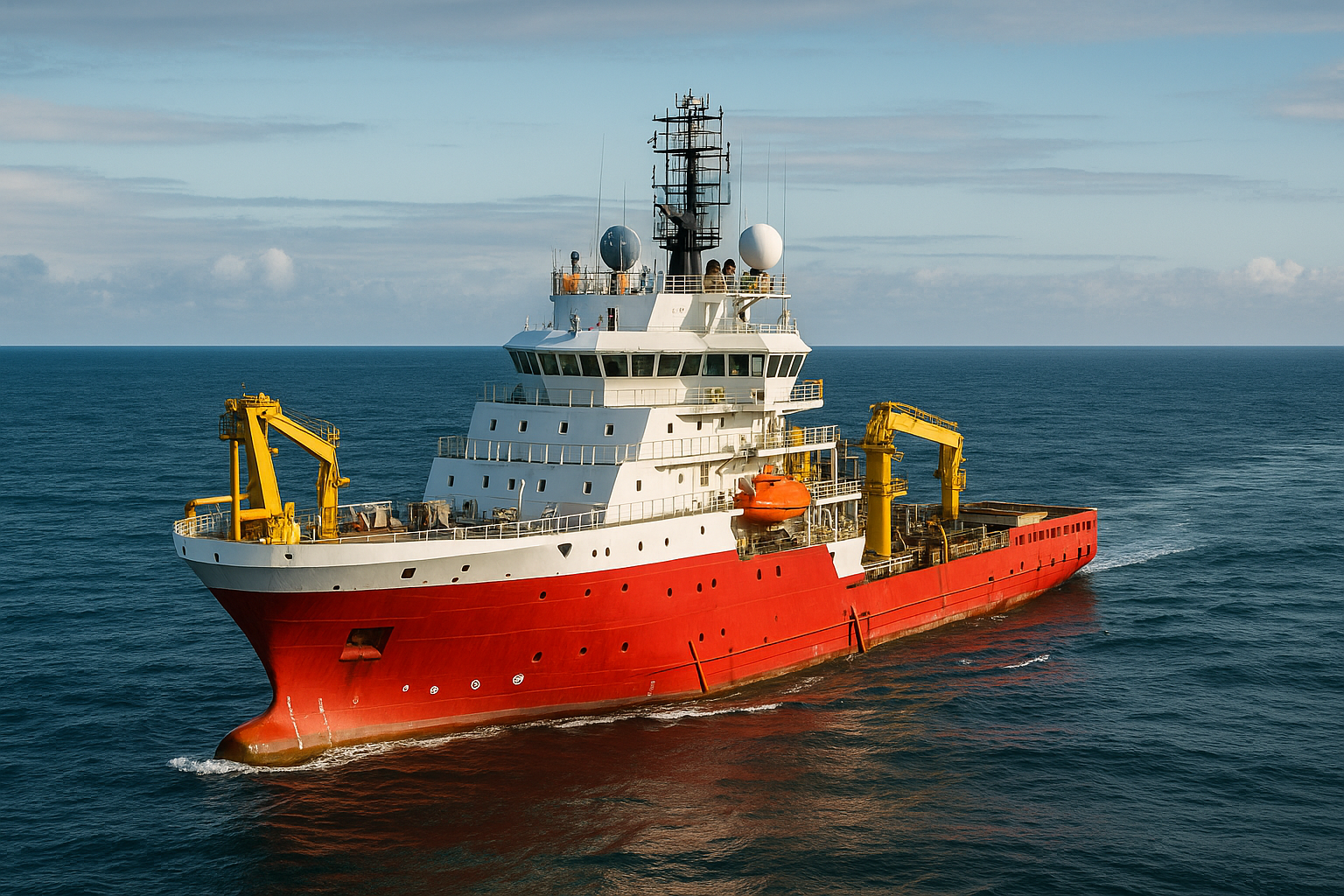

Discover How Offshore Vessels Support Maritime Exploration and Directly Influence Your Daily Life and the Economy, Even Far from the Sea.
You have probably heard of offshore oil platforms; however, you may not know the essential role that offshore vessels play in this scenario.
In fact, these vessels, often invisible to those living far from the sea, sustain a significant part of the global economy and, consequently, influence your life and business in a silent manner.
Global dependence on energy sources and raw materials extracted from maritime areas makes offshore vessels fundamental to ensure the continuity of these operations, even under often adverse conditions.
-
A 24,200-ton oil platform is removed from the North Sea in just 10 seconds and taken to be scrapped on land, in an operation where more than 97% of the Brent Delta structure was reused or recycled.

-
Ocyan takes AI and data to the FPSO Brazil Congress 2026 to showcase how digital technologies can enhance safety, integrity, and performance in next-generation FPSOs.

-
Sodexo debuts unique maritime hospitality on Seagems ship to transform the well-being, food, and comfort of offshore professionals.

-
European ship will transport captured CO₂ to be stored under the North Sea as the Greensand project prepares the first industrial offshore storage in the European Union to operate in 2026 with an initial target of 400,000 tons per year in Denmark.




Therefore, the complexity and risks of offshore work require vessels with specific technologies and functionalities to meet the demands of various sectors related to the offshore industry.
What Are Offshore Vessels?
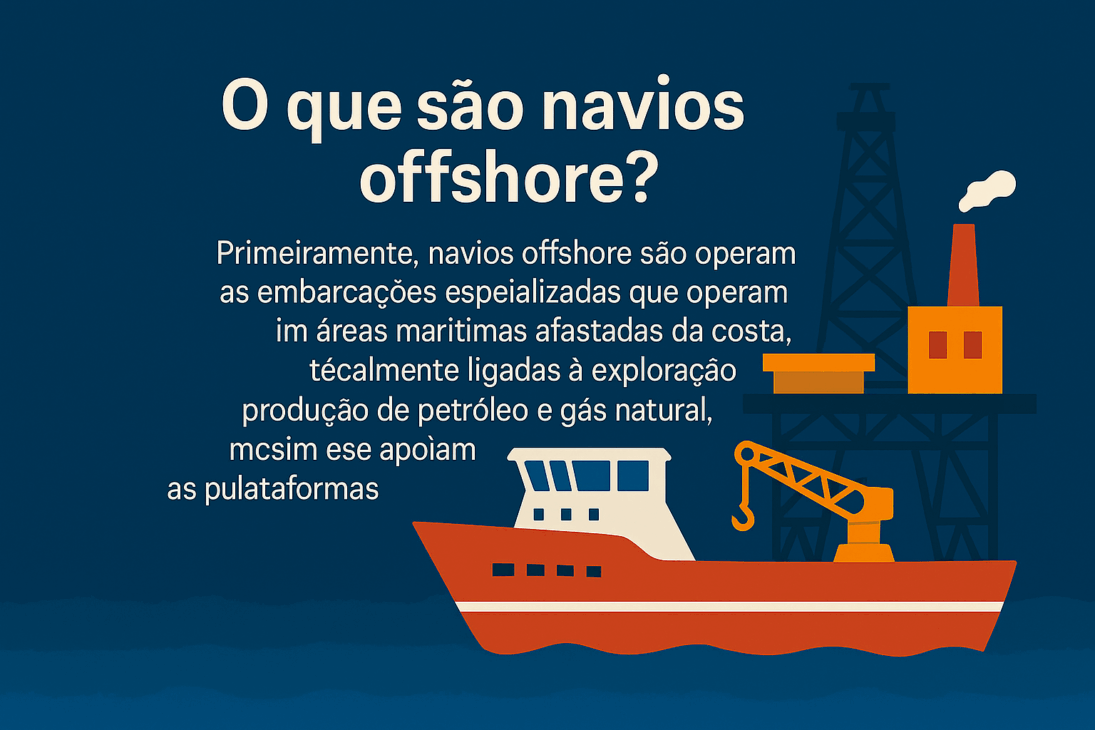
First of all, offshore vessels are specialized crafts that operate in maritime areas far from the coast, generally linked to oil and natural gas exploration and production.
Thus, they support drilling platforms, transport equipment and personnel, monitor safety, and perform underwater construction operations.
There are various types of offshore vessels; for example, supply ships, construction support vessels, underwater cable installation vessels, among others.
Each serves specific functions, but they all share the same goal: to keep the energy production chain operating efficiently and safely.
Many of these vessels have advanced systems to perform complex operations, such as maintenance of underwater pipelines and installation of drilling equipment.
As such, the capabilities of these vessels vary greatly.
They range from small vessels that operate in shallow waters to large ships that operate in ultra-deep waters and withstand severe weather conditions.
The Impact of Offshore Vessels on Your Life
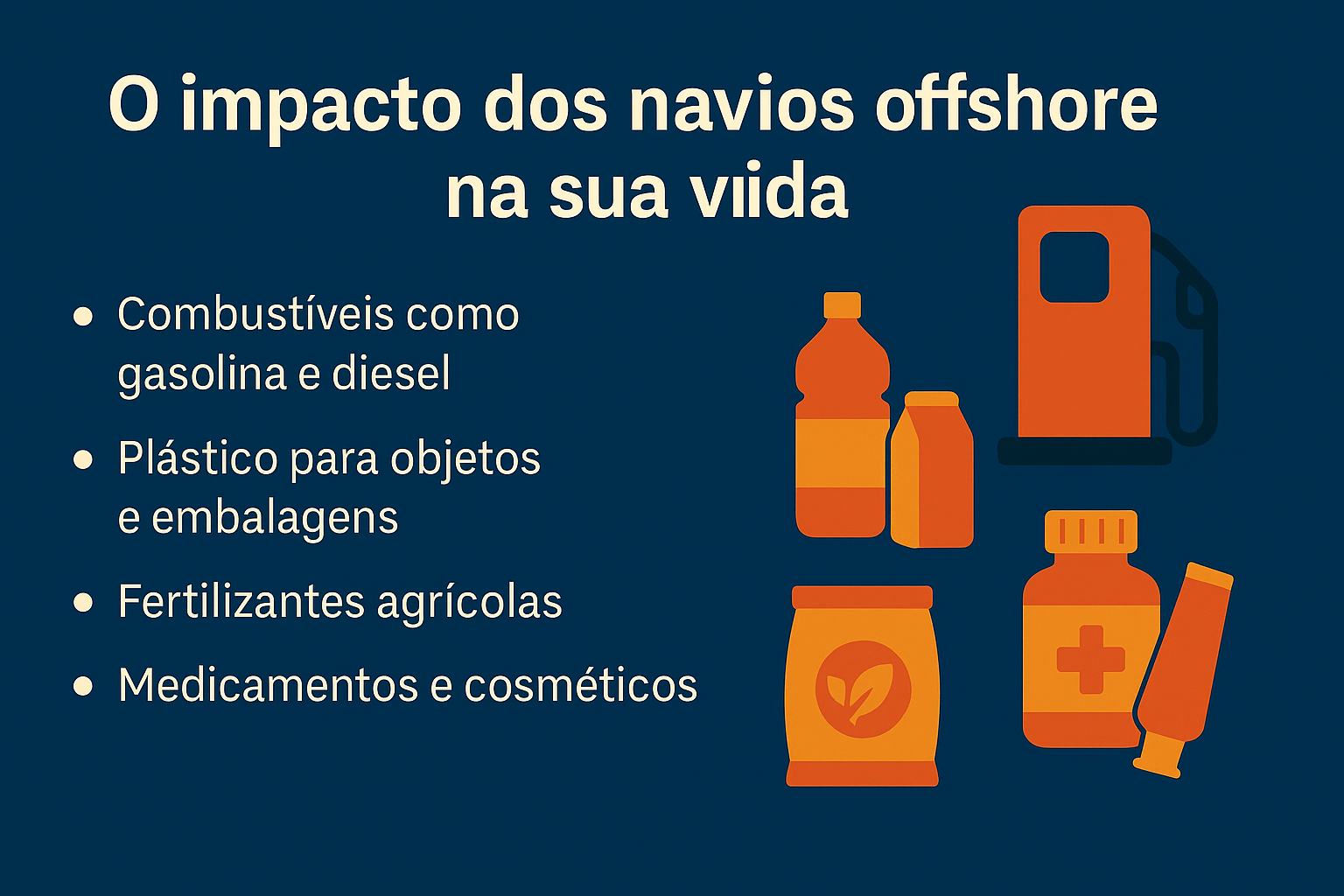
It may seem distant; however, offshore vessels are involved in your routine more than you imagine.
Fuels like gasoline and diesel, the plastic of the items you use, agricultural fertilizers, medicines, cosmetics — all these products depend, to a greater or lesser extent, on oil and gas extraction, often performed at offshore platforms.
Without the vessels that support this operation, the transportation of supplies, maintenance of platforms, and movement of teams would not function.
Thus, these vessels ensure that wells continue to operate, that structures receive constant monitoring, and that any emergencies have quick responses.
Moreover, they act in emergency situations, such as crew rescue in case of accidents, firefighting, and oil spill control, helping to minimize environmental damage and protect lives.
Therefore, even if you never see an offshore vessel up close, it operates behind the scenes in the production of the goods you consume daily.
Connection with Business and the Economy
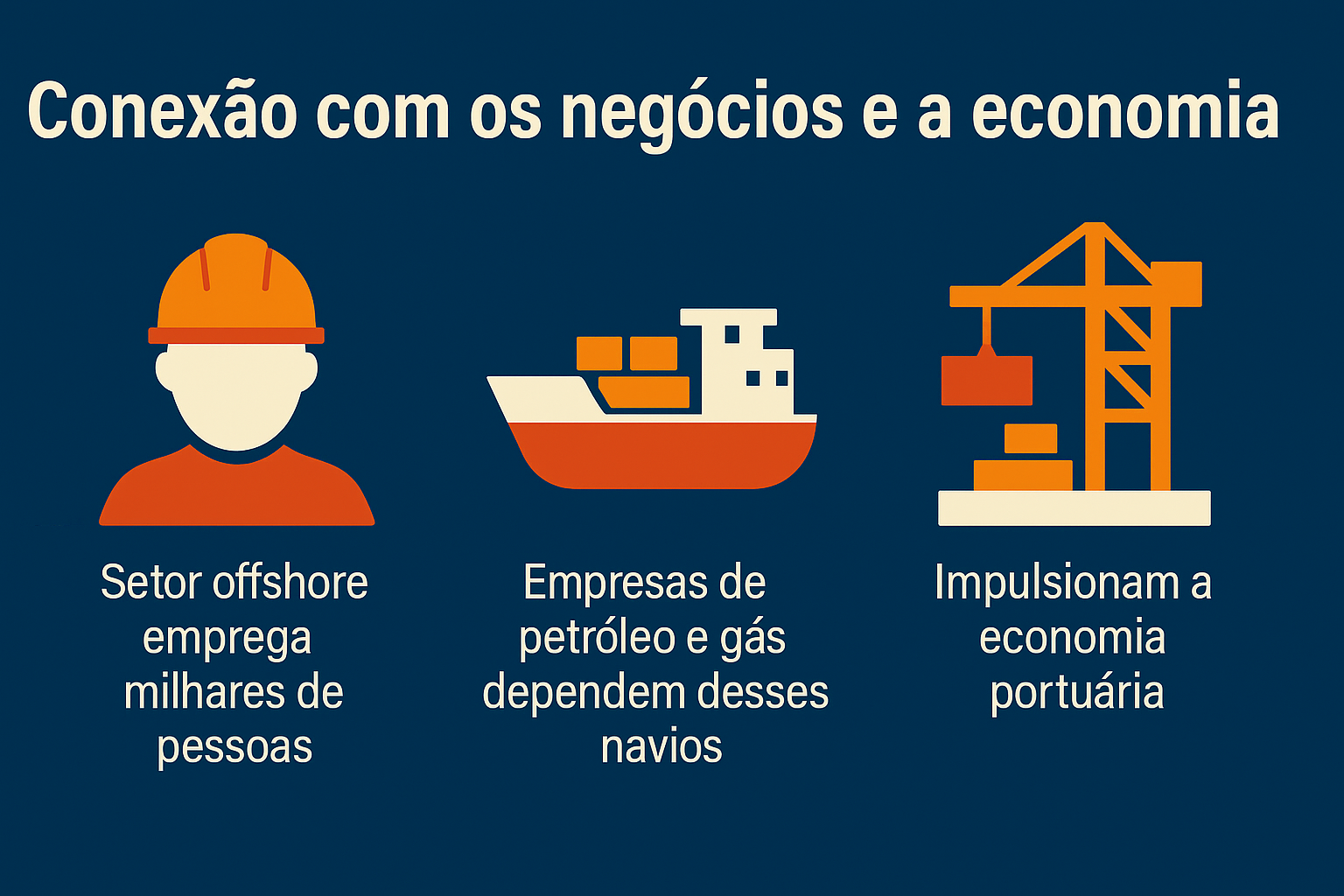
In addition to the impact on daily life, offshore vessels have a significant influence on the economy.
The offshore sector employs thousands of people directly and indirectly: engineers, sailors, technicians, logistics operators, maintenance companies, technology suppliers, and more.
Companies in the oil and gas chain rely on these vessels to keep their operations efficient. Thus, any failure or delay in supply can lead to million-dollar losses.
Not only that, but Brazilian and international ports have adapted over the years to accommodate these vessels, boosting the port economy and generating revenue for coastal cities.
According to the International Energy Agency (IEA) report of 2023, the offshore industry accounts for about 30% of global oil production, demonstrating its strategic relevance to the global energy matrix.
Furthermore, the offshore industry stimulates investments in research and technological development, fostering innovation in naval engineering, automation, sustainability, and renewable energy.
Investors closely monitor the sector. The ups and downs of the oil and gas market often directly reflect on the volume of offshore operations and, consequently, on the use and construction of these vessels.
When energy demand rises, the sector expands. However, during periods of crisis or energy transition, activity decreases — and this impacts companies in various areas, from shipbuilding to environmental engineering.
The strategic importance of the sector becomes evident when realizing that many countries depend on offshore production to ensure energy security and economic stability.
Technological Advancements and Challenges
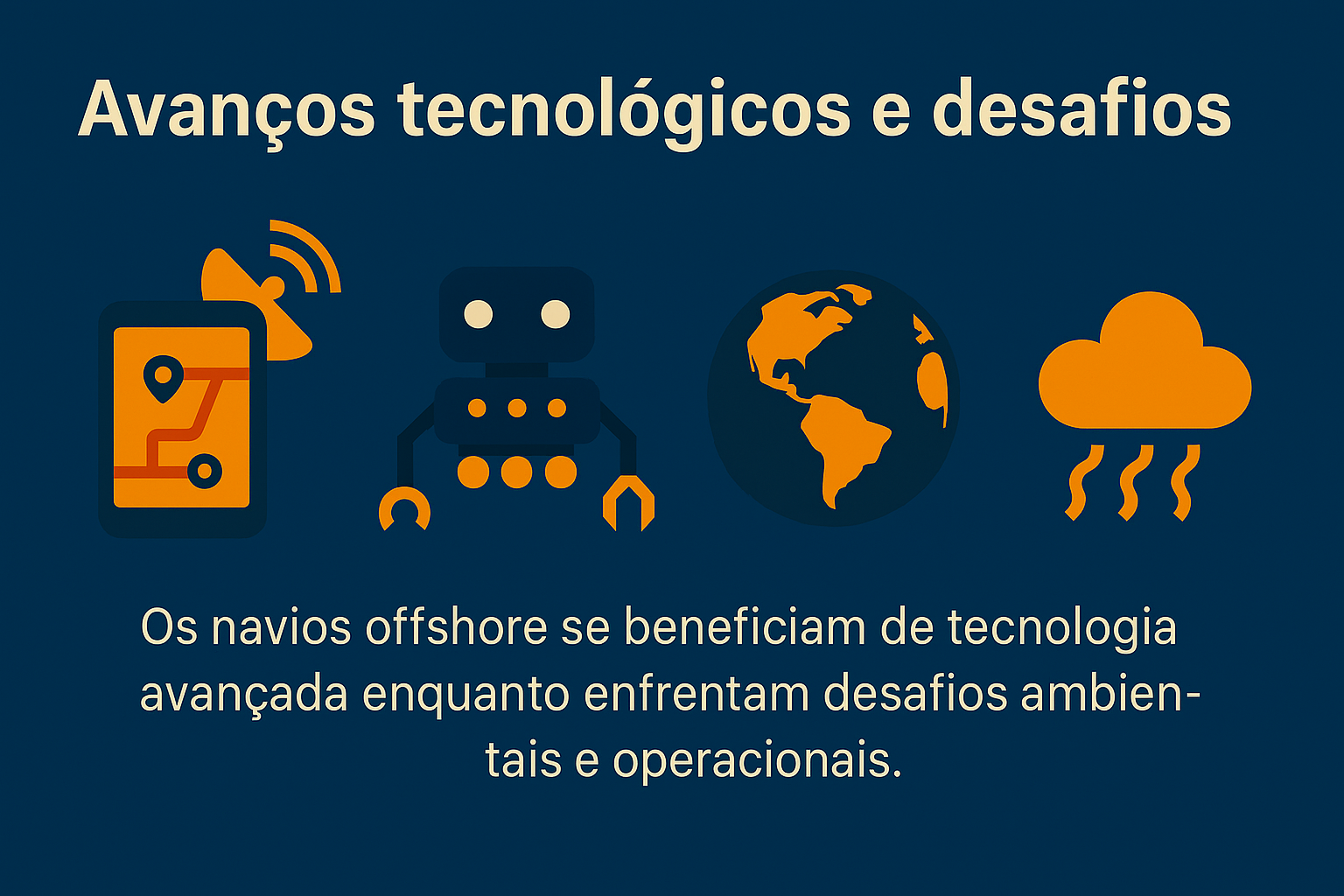
The operation of offshore vessels requires state-of-the-art technology.
For instance, accurate navigation equipment, dynamic positioning systems (which keep the vessel in place without anchors), remote control of underwater robots (called ROVs), monitoring sensors, and satellite communication are just a few of the resources utilized by these vessels.
With technological advancements, companies are able to operate in increasingly challenging locations, such as ultra-deep waters and regions with extreme climates, such as the North Sea or the coast of Africa.
This also increases the demand for technical training, safety, and environmental responsibility.
The environmental issue is one of the biggest challenges today. Therefore, companies invest in more sustainable solutions, such as using less polluting fuels, onboard waste treatment systems, and improvements in emergency response protocols to environmental incidents, such as oil spills.
Furthermore, there is growing concern for the health and well-being of crews, who work long periods offshore, often in isolated and high-risk conditions.
This drives improvements in working conditions, including more comfortable facilities, specialized training, and communication systems that keep the crew connected to the mainland.
According to data from the International Maritime Organization (IMO), since 2020, stricter regulations for reducing ship emissions have been implemented to mitigate environmental impacts.
The Future of Offshore Vessels
The offshore sector is undergoing significant transformations. Indeed, the global energy transition encourages the search for renewable sources, such as wind and solar energy.
Nonetheless, offshore oil and gas production will remain necessary for several decades.
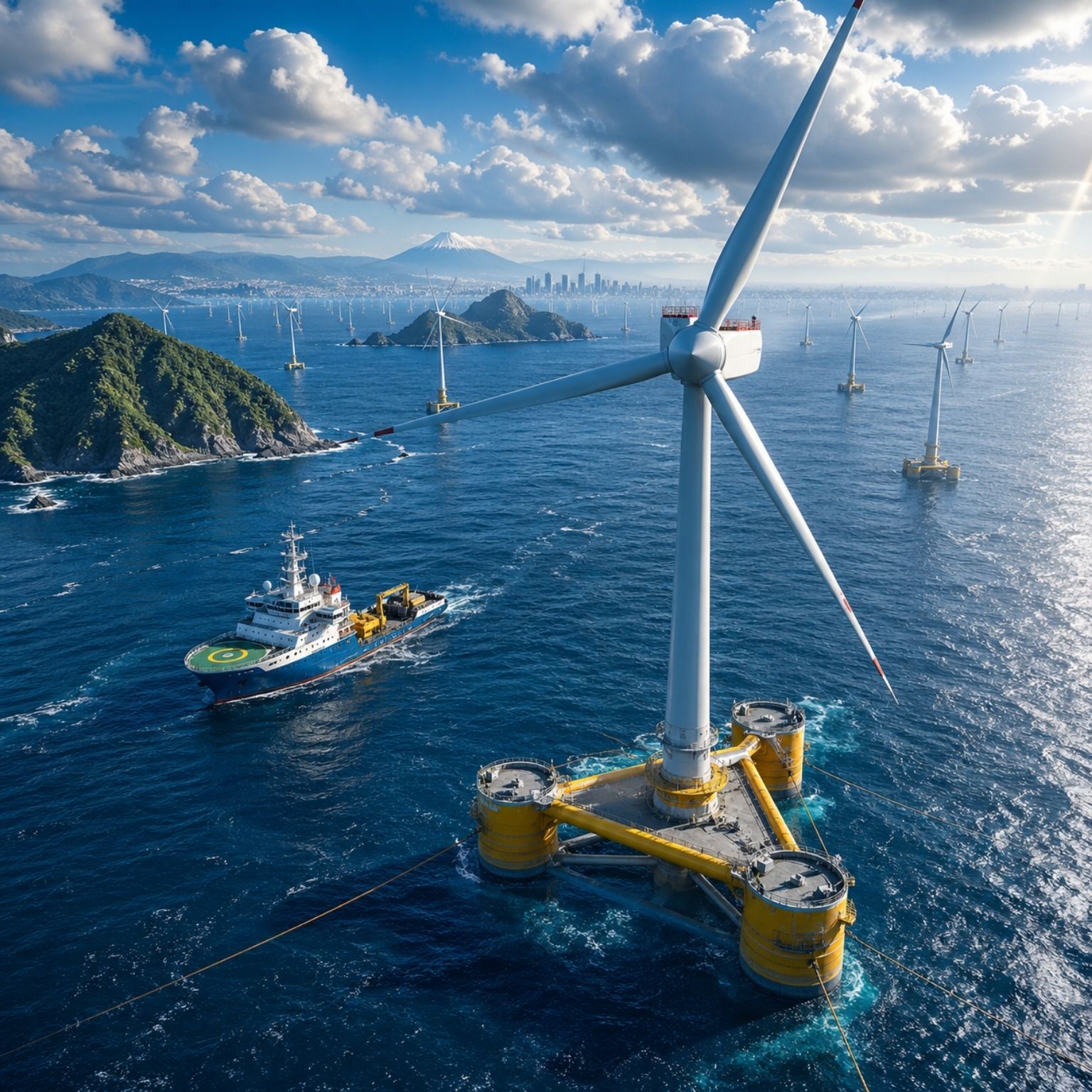
A promising trend is the integration between offshore vessels and offshore wind farms.
In some European countries, vessels that previously operated exclusively in the oil sector have adapted to install and maintain offshore wind turbines.
This demonstrates the versatility of these vessels and their relevance in the new phase of the global energy matrix.
Additionally, automation and artificial intelligence promise to make vessels even more efficient.
Autonomous navigation systems, real-time data collection, and remote control are just the beginning of a silent revolution shaping the future of the sector.
Another important trend is the digitalization of operational processes, using advanced software for planning, monitoring, and data analysis.
This helps reduce costs, increase safety, and improve decision-making.
These advancements indicate that offshore vessels will continue to be key players in the maritime and energy industry, even in a changing world.
Offshore vessels may seem distant from the reality of those who live far from the sea; however, their impact is real and constant.