






 Portuguese
  Spanish
  3 min of reading
  0 comments


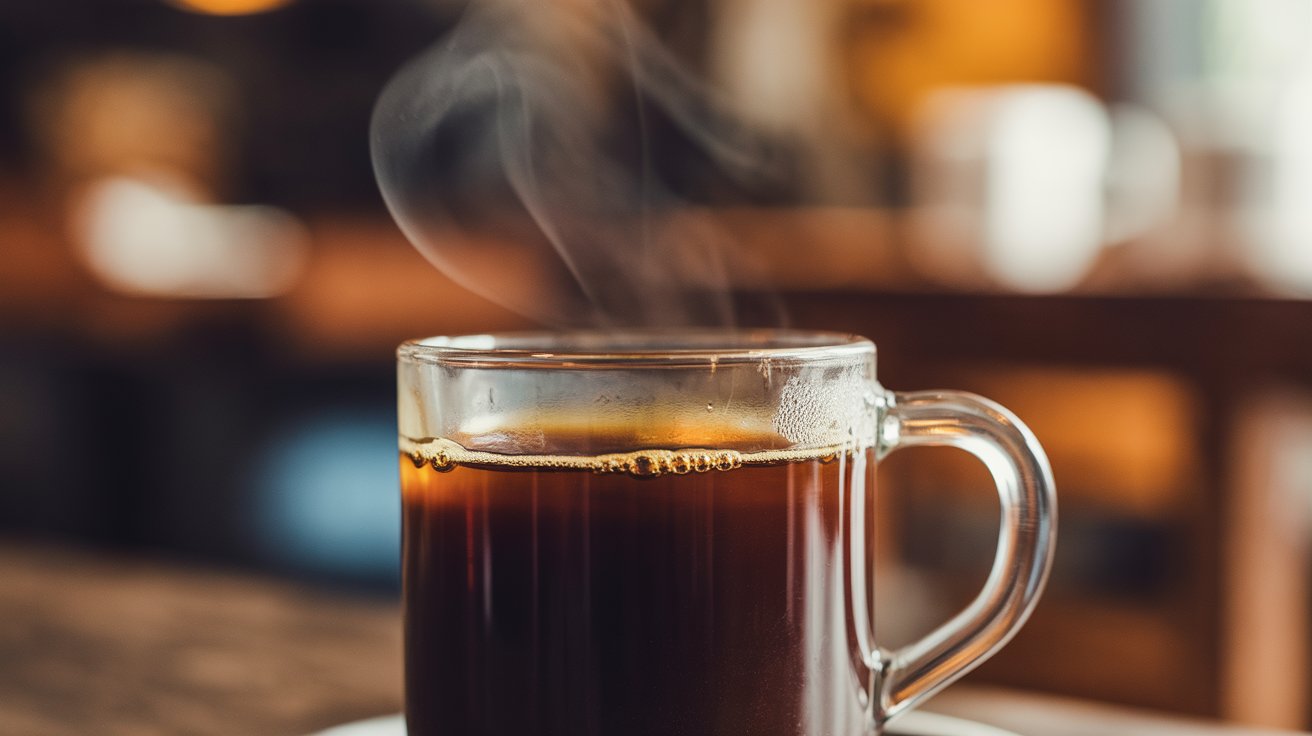
While The Brazilian Fights For The Last Drop Of Sanity With A Cup Of Coffee In Hand, President Donald Trump Declares War On The Only ‘Fuel’ That Has Driven The Country Since 1808
The United States announced on Wednesday (30) the expansion of import tariffs on various foreign products, particularly items from the Brazilian agricultural sector. The measure, signed by President Donald Trump, adds 40% tax to an already existing 10% tariff, directly affecting products such as coffee, meat, and Brazilian fruits.
Despite a long list of exceptions published in Annex I of the executive order, the main items of agribusiness exported by Brazil were not spared. According to experts, the impact could be severe on trade relations and the competitiveness of Brazilian products in the American market.
The decision, according to the White House, aims to strengthen the domestic industry and protect local producers, but calls into question the agricultural exports of Latin American countries, especially Brazil, which is one of the largest suppliers of these items to the U.S.
-
Brazilian Joins Homeownership Consortium, Faces Decade of Dual Payments Totaling $141,000, Surpassing Traditional Mortgage

-
Land Rover to Halt Production in July, Putting 371 Jobs at Risk, as Chinese Automaker Negotiates to Convert Factory to 100,000 Vehicles Annually by 2027

-
Mexican Pest Threatens U.S. Cattle Herds at Historic Lows, Potentially Boosting Brazilian Beef Exports as Burger Prices Soar

-
Brazilian Freight Bill Progresses in Congress with $5,000 Minimum Wage, 70% Advance Payment, and Fines Up to $1 Million, as Agriculture and Industry Warn of Rising Costs and Legal Uncertainty


Coffee, Meat, and Fruits: The Brazilian Products Directly Affected
Among the most affected by the new tariff are green coffee, tropical fruits such as mango, melon, and papaya, in addition to beef and chicken. Welber Barral, former Secretary of Foreign Trade and partner at the consultancy BMJ, classified the measure as a strong blow:
This is really bad. It affects a lot of what Brazil exports. There are many products on (the tariff list), Barral told the newspaper O Globo. According to him, the listed products represent a significant share of the agricultural trade balance with the U.S.
In contrast, the orange juice sector was spared, which generated relief for CitrusBR, the association representing the beverage export industry. The entity issued a statement reinforcing its commitment to quality and international supply.
Products Exempted from the Tariff Increase: See the Full List
Below is the list of Brazilian products that were exempted from the extra 40% tariff, according to Annex I of the executive order published by the U.S. government:
- Brazil nuts with shells, fresh or dried
- Orange pulp
- Frozen and non-frozen orange juices
- Raw mica
- Iron ore (agglomerated and non-agglomerated)
- Tin ore and concentrates
- Various types of coal, lignite, peat, coke
- Coal gas and natural gases (propane, butane, etc.)
- Aluminum, silicon, and aluminum oxide raw materials
- Caustic potash
- Chemicals, fertilizers, and petroleum residues
- Wood and agglomerated cork
- Chemical pulps from wood, cotton, and vegetable fibers
- Cellulose
- Silver and gold (in ingot or dore form)
- Pig iron, ferroniobium, iron alloys, and other metals
- Industrial and aerospace components (tubes, rubbers, metals, engines, turbines)
- Inputs for paper, cardboard, and derived artifacts
- Asbestos, chrysotile, friction mixes
- Various mineral and chemical fertilizers
Brazil Evaluates Impact and May Appeal to the WTO
The Brazilian government has not yet released an official response, but diplomatic sources indicate that the Itamaraty is considering taking the case to the World Trade Organization (WTO). The measure is seen as a possible violation of existing trade agreements between the two countries.
According to a report from Folha PE, published on July 30, the agricultural and industrial sectors are on alert and pressing the government for compensatory measures, including tax incentives to maintain external competitiveness.
With coffee, fruits, and meats in the crosshairs of the American tariff increase, how do you think Brazil should respond to this new trade attack?





-

-

2 people reacted to this.