






 Portuguese
  Spanish


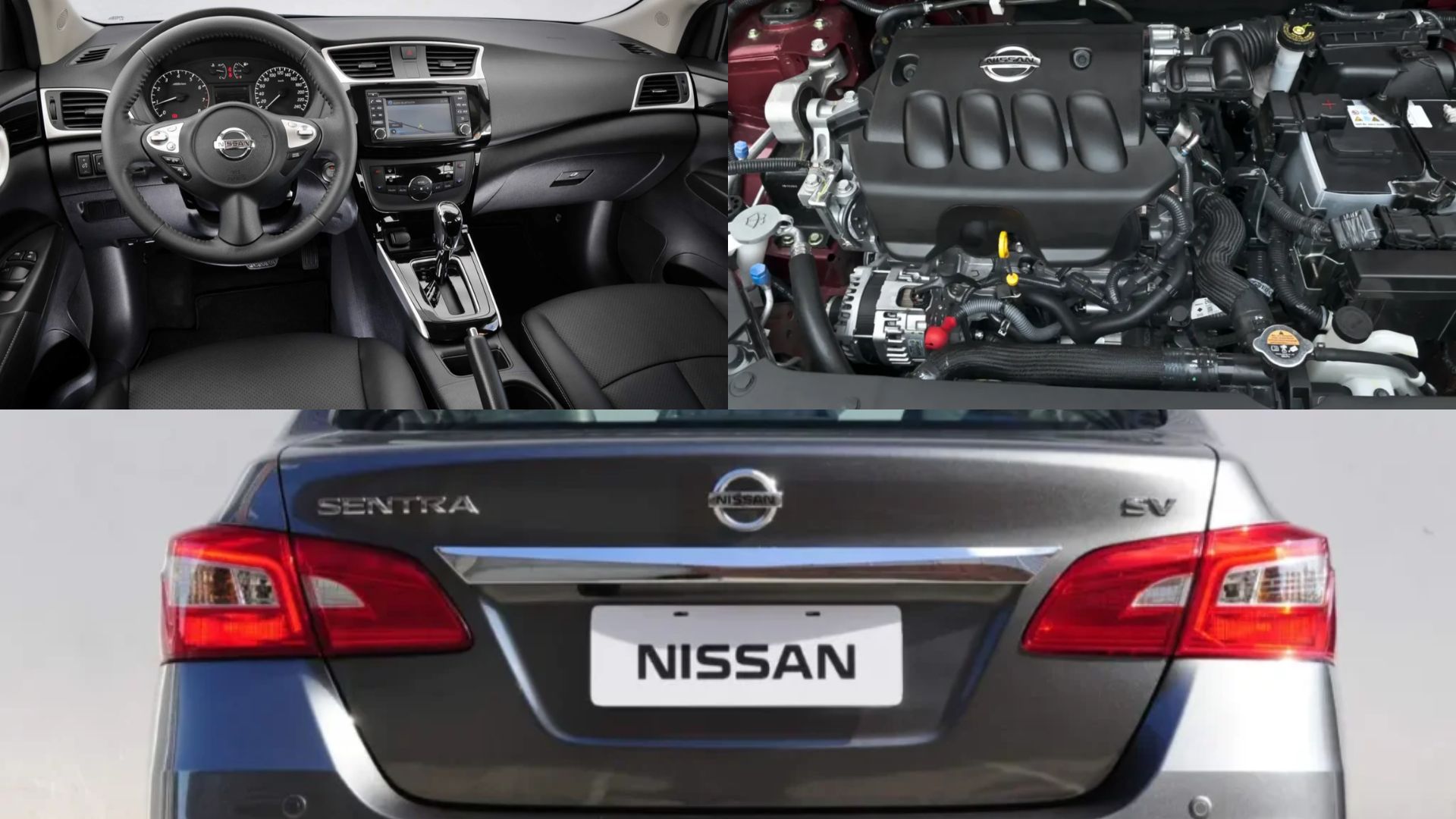

The Nissan Sentra SV 2.0 2019 gained relevance in the used car market by combining competitive price, generous space, and above-average equipment package, challenging traditional competitors in the category and attracting consumers seeking value for money.
The Nissan Sentra SV 2.0 2019 stands out among the highlight options in the used car market, registering R$ 72,021 in the Fipe Table for October 2025, a value that positions it well below rivals like Corolla and Cruze.
With its combination of interior space and standard equipment, it emerges as a competitive alternative in the R$ 70 thousand range.
Fipe Price and Comparison with Competitors
As of October, the Sentra SV 2019 is listed at R$ 72,021.
-
2027 Toyota Corolla Cross Unveiled: New Design, Enhanced Fuel Efficiency, Reduced Maintenance Costs, Advanced Technology, Connected Services, and Up to 10-Year Warranty

-
Fiat Cronos Precision 2018: Affordable Sedan with Spacious Trunk and Reliable Maintenance
-
Volkswagen to Cut Production by 1 Million Cars by 2030, Reducing Jobs and Platforms, Focusing on More Profitable Models

-
Toyota Launches First 100% Electric Car in Brazil: bZ4X with 343 HP, All-Wheel Drive, 361 km Range, Priced at $419,990 BRL, Limited to 99 Units

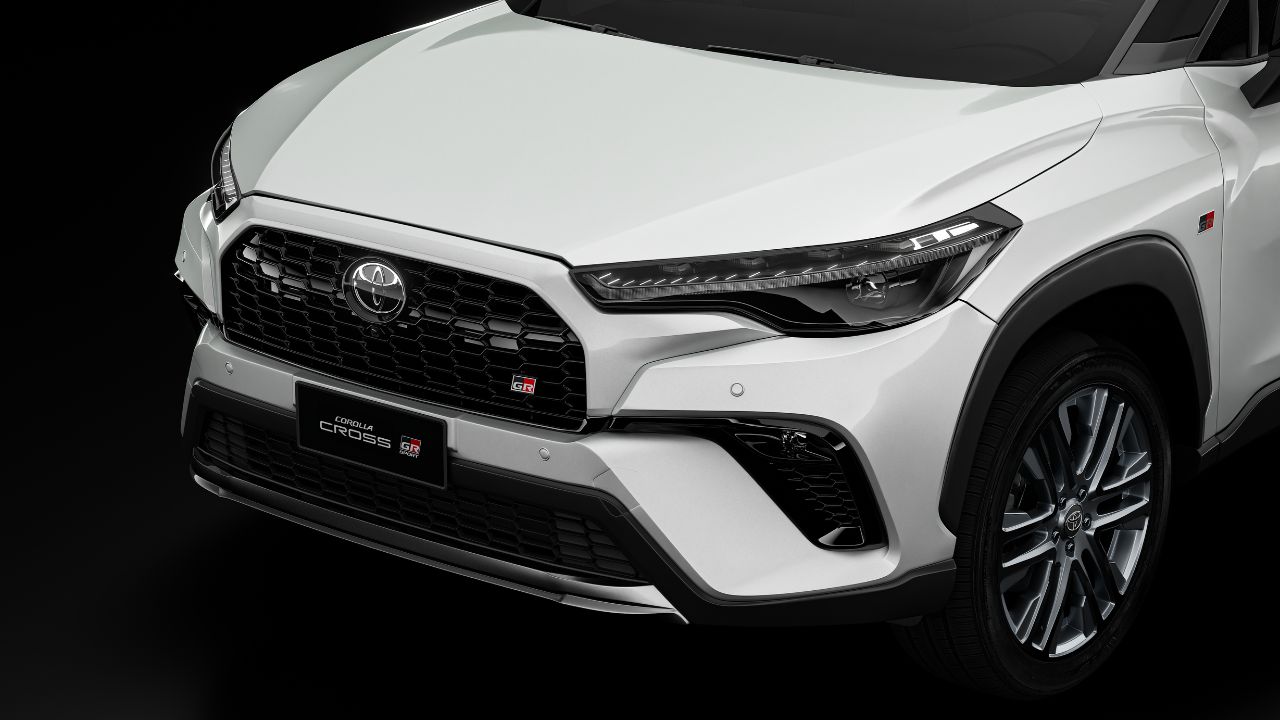


The Toyota Corolla 2019 (XEi) exceeds R$ 100 thousand, while the Chevrolet Cruze 2019 (LTZ) remains close to R$ 94 thousand.
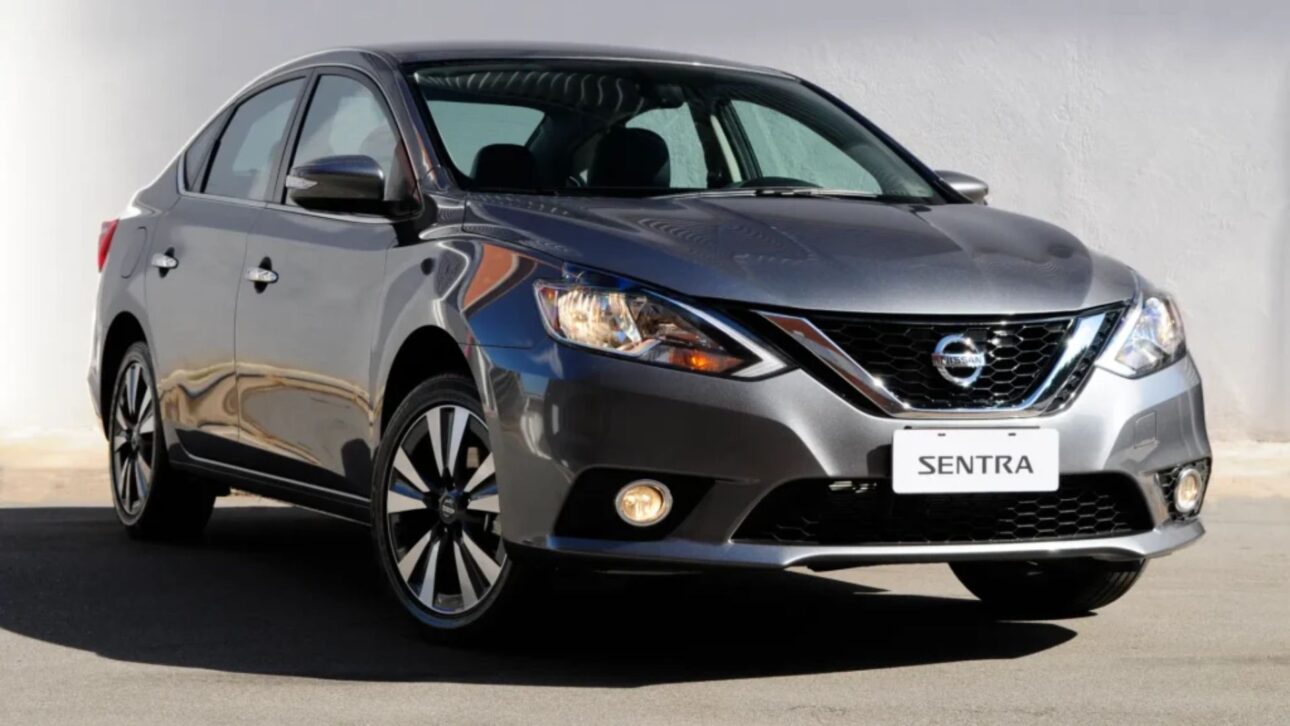
The values show that the Nissan sedan costs significantly less compared to its main rivals in the category.
2.0 Engine and CVT Transmission
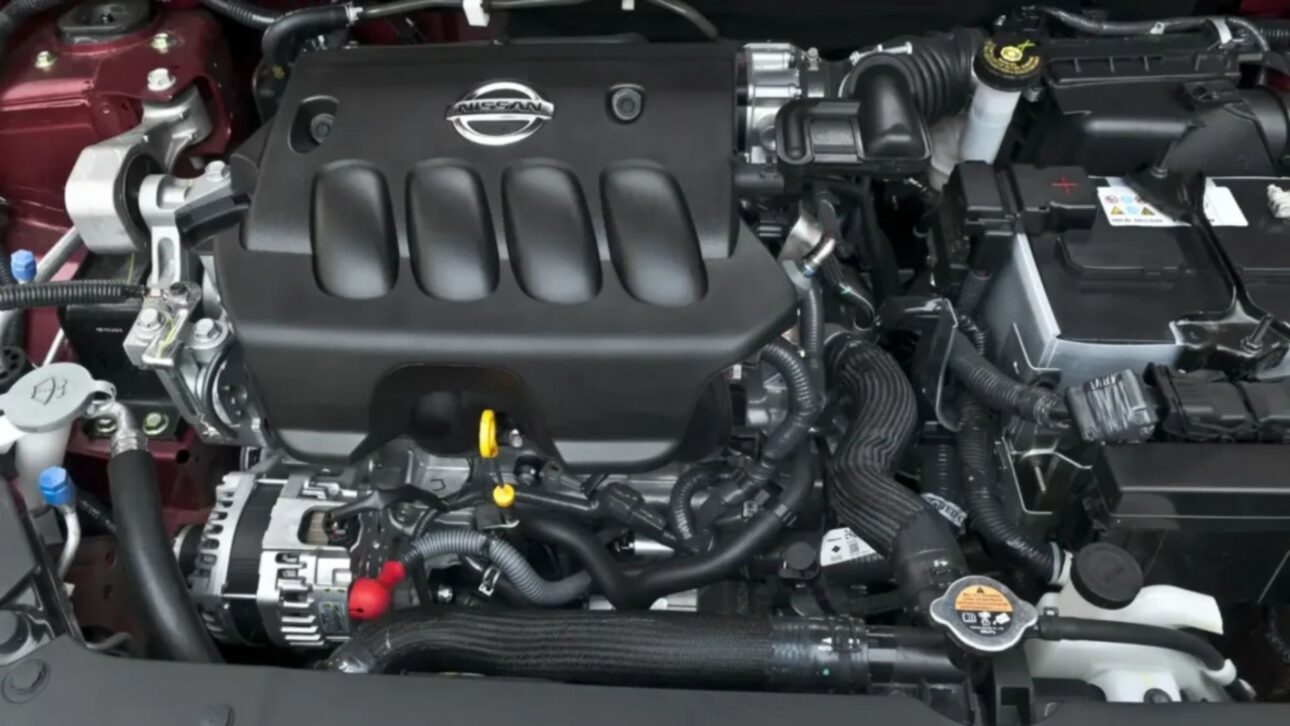
The model features under the hood the 2.0 16V FlexStart (MR20DE) producing 140 hp at 5,100 rpm and 20 kgfm at 4,800 rpm, paired with the Xtronic CVT automatic transmission.
The transmission prioritizes smooth driving, without gear simulation in standard mode.
In terms of performance, test data indicates 0 to 100 km/h in 10.1 s and a top speed of 186 km/h, results consistent with a mid-sized aspirated sedan focused on comfort.
Fuel Consumption and Range
According to the Brazilian Vehicle Labeling Program, the Sentra 2019 delivers 6.7 km/l in the city and 9.1 km/l on the highway (ethanol) and 9.9 km/l in urban and 12.6 km/l on the highway (gasoline).
The 52-liter tank allows for a range of over 600 km on highways when filled with gasoline.
Dimensions and Internal Space
In terms of dimensions, the Sentra SV 2019 measures 4.636 m in length, 1.761 m in width, and wheelbase of 2.70 m.
The 503-liter trunk surpasses that of the Corolla 2019, which offers 470 liters.
The dimensions position the model among the most spacious mid-size sedans of the period, with a highlight on rear space and luggage capacity.
SV Version Equipment
In the SV configuration, the sedan incorporates dual-zone digital automatic air conditioning, leather seats, 17-inch wheels, keyless entry with push-button start, electric steering, and Nissan Multi-App multimedia with 6.2-inch screen, CD/DVD, Bluetooth, GPS, rearview camera, and Wi-Fi.
There are also features like twilight sensor, electronic stability and traction control, as well as ABS brakes with EBD and BA.
Safety
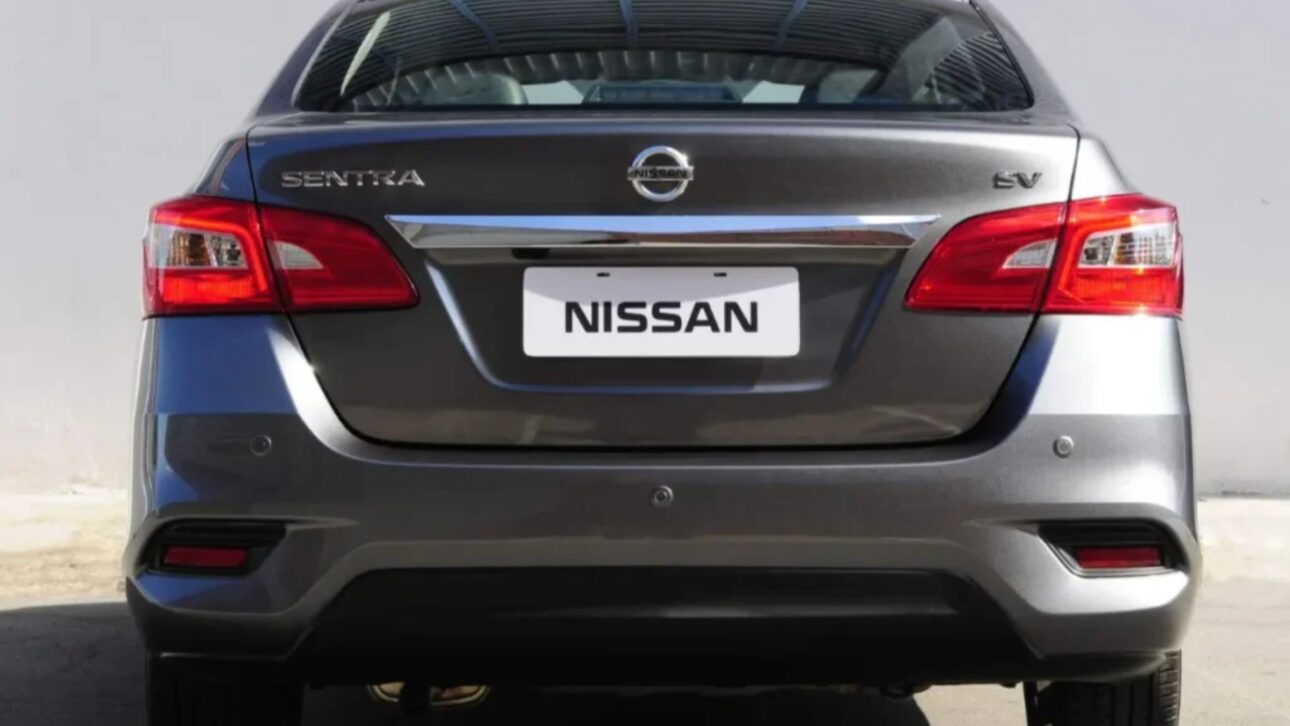
All Sentra 2019 models come with front airbags and ISOFIX system for child seats.
However, side and curtain airbags are only available in the SL version.
For the SV, the focus of this analysis, these items are not part of the package.
The electronic stability and traction control is present in all versions.
Position in the Used Market
With a price around R$ 72 thousand, the Sentra SV 2019 appears as an alternative to more expensive models in the category.
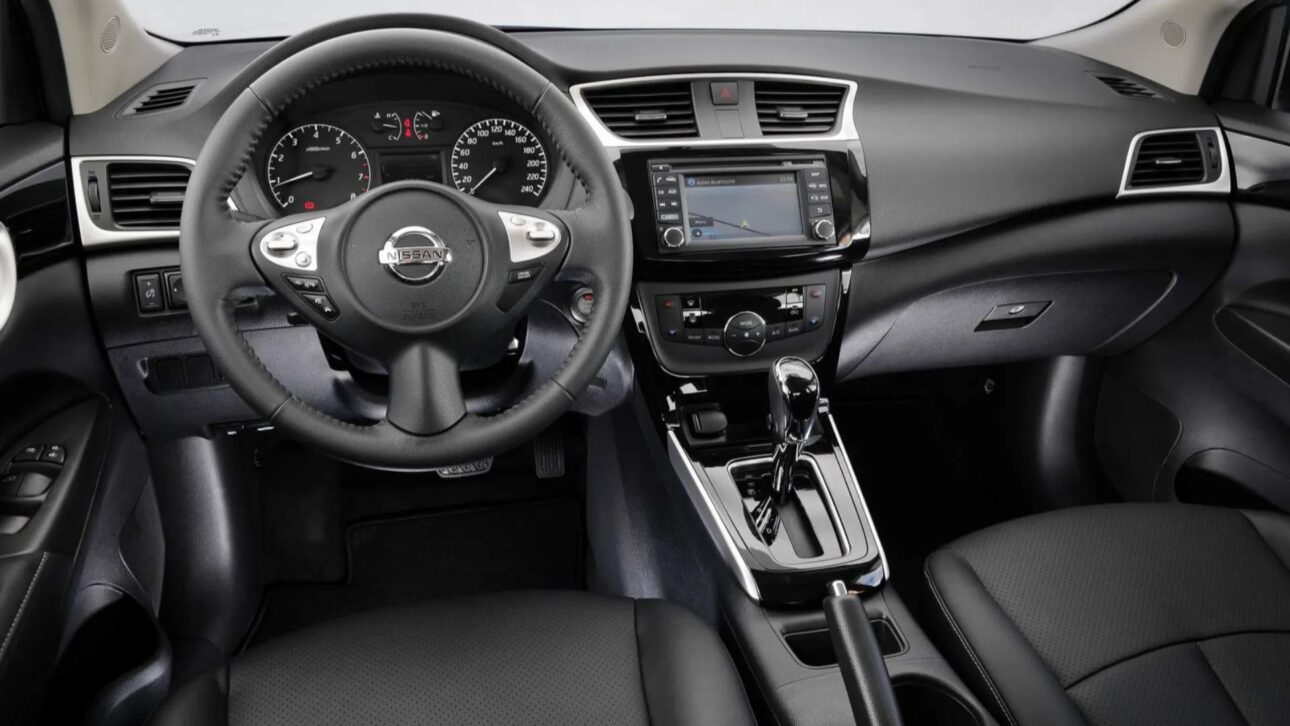
Among the differentials are the similar size to the Corolla, a larger trunk, and the comfort equipment package offered even in the mid-range version.
Industry experts point out that the mechanical setup is recognized for its maintenance predictability, a factor considered relevant for those seeking controlled ownership costs.
Usage Profile
According to automotive consultants, the Sentra SV primarily serves families that prioritize comfort while driving, internal quietness, and luggage capacity, characteristics often highlighted in market evaluations.
On the other hand, consumers seeking more advanced safety features may consider the SL version, which adds additional airbags but comes at higher prices and less availability among used cars.
Based on these aspects, the question remains: with R$ 72 thousand available, would it be more advantageous to choose a well-equipped Sentra SV 2019 or invest in rivals like Corolla and Cruze, even if they cost more and offer a different standard package?








