Portuguese
  Spanish


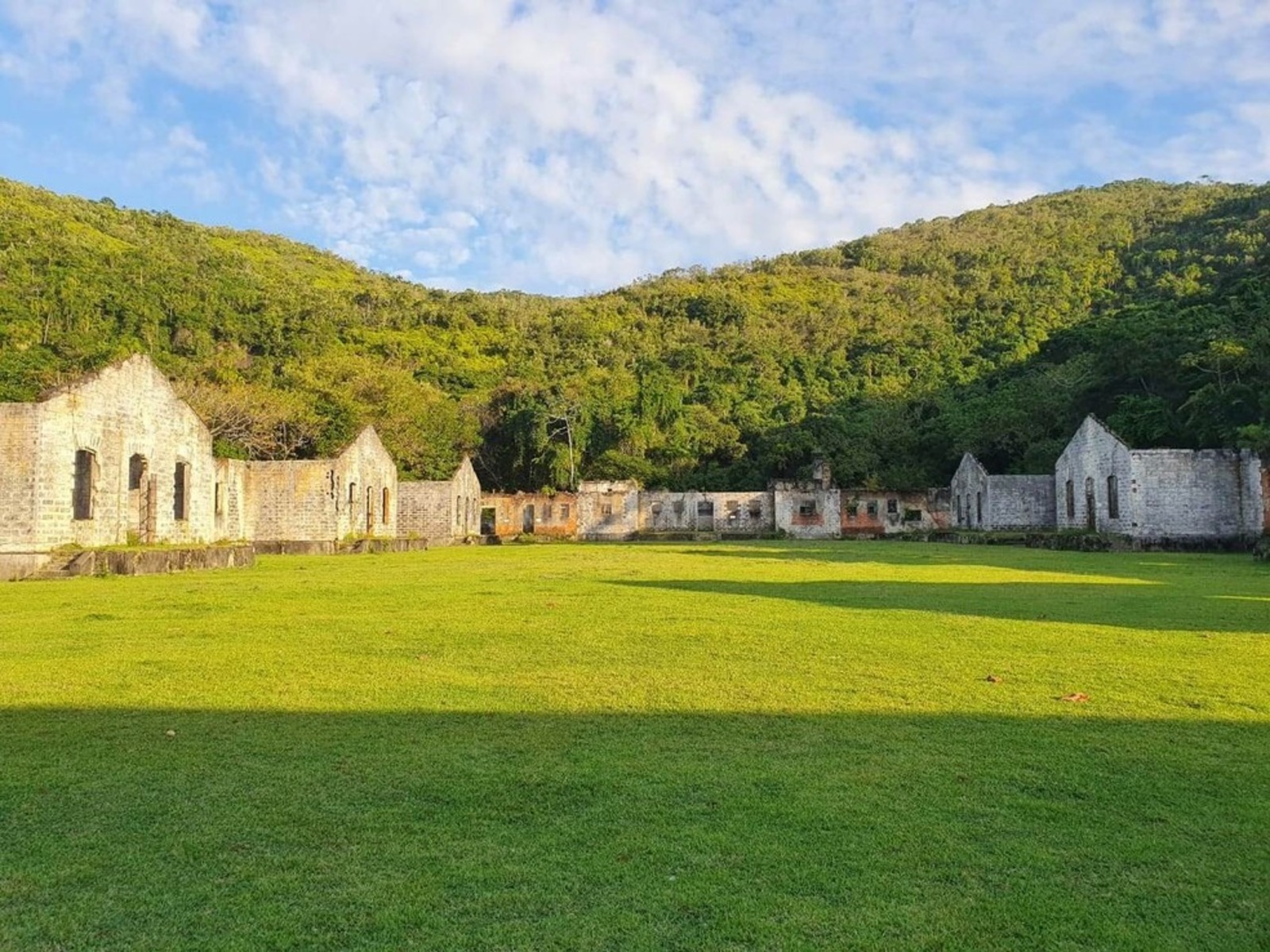


Rebellion on Anchieta Island on June 20, 1952 Left 9 Guards Dead, 129 Escaped Prisoners and Marked the First Massacre in Prison in Brazil 700 Meters from the Mainland
On June 20, 1952, the massacre at the correctional facility that occurred at the Anchieta Island Correctional Institute in Ubatuba resulted in the deaths of 9 guards, the escape of 129 inmates, and a direct impact on the São Paulo prison system, marking a significant moment in Brazilian penal history.
Located 700 meters from the mainland on steep terrain, the Anchieta Island Correctional Institute functioned as a maximum-security prison on the northern coast of São Paulo.
The site entered history for the first major massacre in a prison recorded in the country.
-
Mother discovers she may have won £12 million in the lottery but faces an agonizing wait after the shopkeeper threw the ticket in the trash.

-
A couple bought a house in Sheffield and, when removing the carpet from the hallway, found a trapdoor leading to a secret 23 m² basement with a 2-meter ceiling height, a discovery that eliminated the need for an expensive extension and, according to them, added £70,000 to the property’s value.

-
A nurse bought for 20,000 a 1955 house abandoned by a hoarder in Texas, and months later, rain revealed a buried pool in the backyard valued at $160,000, which he restored himself for about $10,000, a fraction of the cost of building a new one.
-
The United Kingdom is transforming dog feces left on trails into gas to light a streetlamp through an unlikely and surprising project that shows how even one of the most rejected wastes in cities can generate energy.




On the morning of June 20, 1952, taking advantage of a reduced workforce, prisoners took control of the unit.
The San João festivities left only 17 civilian staff and 28 military personnel on duty, an insufficient number to contain 453 inmates.
Rebellion Resulted in Deaths, Escapes and Destruction of the Penitentiary
During the action, prisoners freed their companions, looted safes, destroyed buildings, and burned records.
Nine guards were executed. The episode solidified as a defining moment of massacre in prisons in Brazilian history.
A total of 129 inmates reached the beaches of Ubatuba. Another 108 were recaptured, 15 died, and six went missing. The rebellion highlighted structural flaws and generated immediate repercussions in the São Paulo prison system.
Impact on the São Paulo Prison System After the Massacre in Prison
The incident accelerated projects that were already on the agenda. The episode contributed to changes in the state penitentiary system, given the repercussions of the massacre in prison and its institutional consequences.
Three years later, on September 3, 1955, the Anchieta Island Correctional Institute was deactivated. A week later, the historical event was depicted in the film Mãos Sangrentas, directed by Carlos Hugo Christensen, shown at the Venice Film Festival.
Carandiru Surpassed Anchieta Island Numbers as the Largest Massacre in Prison
Although significant, the Anchieta Island episode was not the deadliest prison massacre in the country. The bloodiest case occurred on October 2, 1992, in Pavilion 9 of Carandiru in São Paulo.
At that time, 111 prisoners were killed just before the municipal elections. The scenario included overcrowding, human rights violations, and a lack of structural policies.
In 2001, Colonel Ubiratan Guimarães was sentenced to 632 years but was acquitted in 2006 by the TJ-SP on the grounds of strict fulfillment of legal duty.
With information from Diário da Região.