





 Portuguese
  English
  Spanish
  4 min of reading
  0 comments


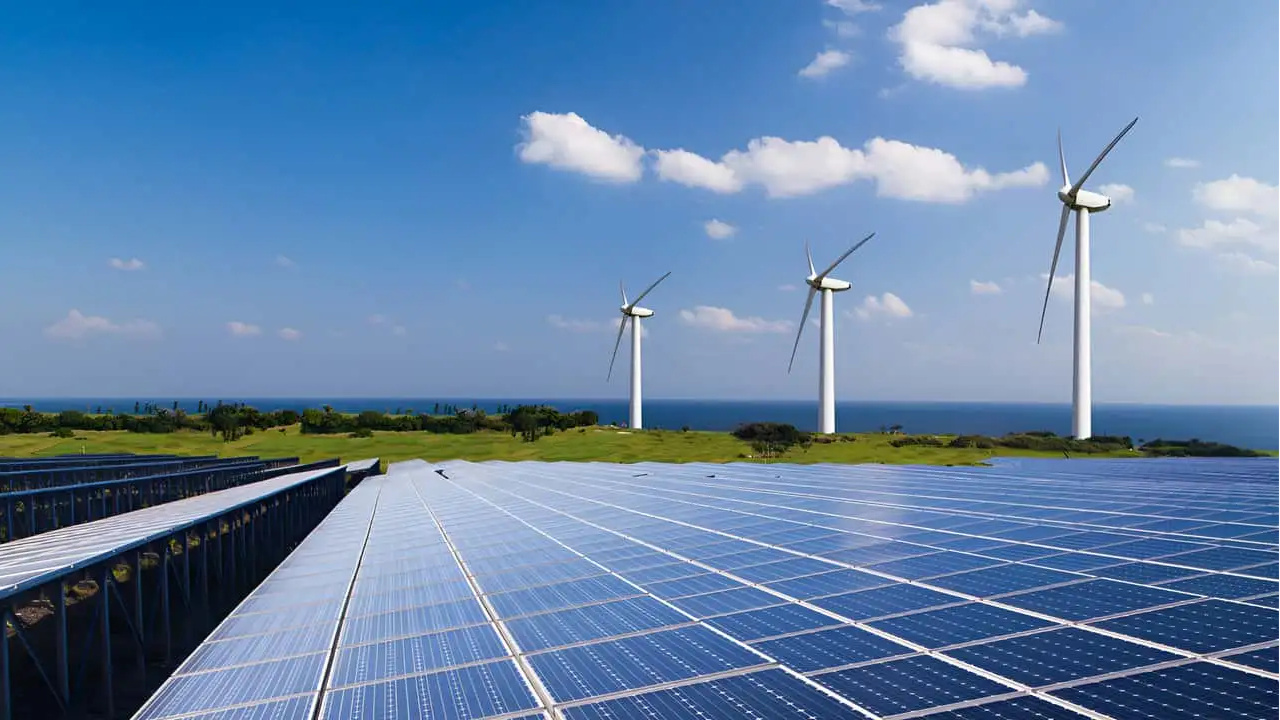
IRENA And Partners Report Warns That The Pace Of Renewable Energy And Energy Efficiency Expansion Is Below What Is Required To Contain Global Warming And Meet The Paris Agreement.
Ahead of the COP30, the international community received a stern warning. A report published by the International Renewable Energy Agency (IRENA), in partnership with the Brazilian presidency of the conference and the Global Renewable Energy Alliance (GRA), reveals that while investment in renewable energy grew by 7% in 2024, the pace is still far below what is needed to limit global warming to 1.5°C.
During a high-level meeting held in Brasília, representatives of the organizations presented worrying data. The global added renewable energy capacity in 2024 hit a historic record of 582 gigawatts (GW). Still, the result is insufficient compared to global targets set in the UAE Consensus, established at COP28, which challenges the world to triple capacity by 2030, reaching 11.2 terawatts (TW).
Distant Targets And Insufficient Growth Rate
To achieve the established goal, it will be necessary to add 1,122 GW per year starting in 2025, requiring an annual growth rate of 16.6%—far above the current pace.
-
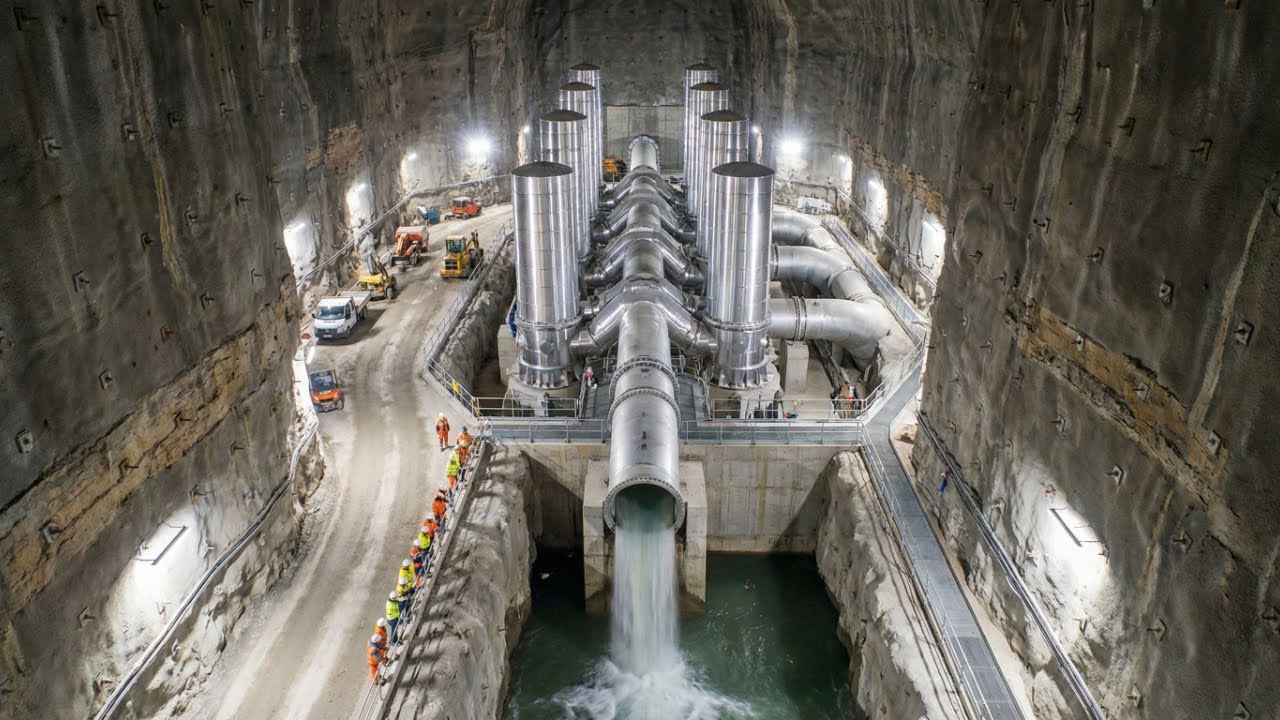
Canadian engineers want to compress air in underground caverns and build plants of up to 500 MW that function as giant lungs to store renewable energy for hours and stabilize entire electrical grids.
-
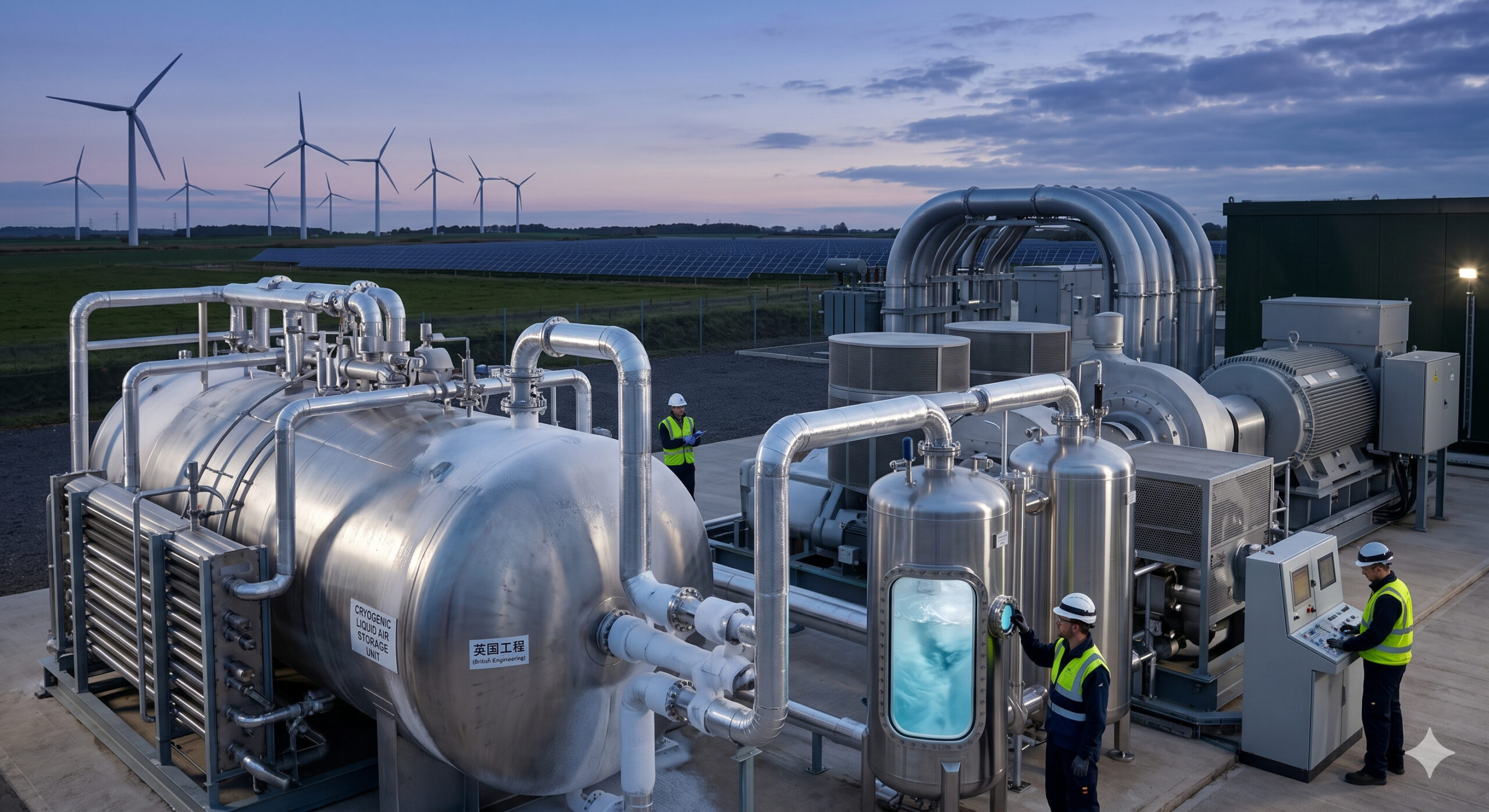
British engineers cool air until it turns into liquid, store energy for weeks, and create an “invisible battery” capable of sustaining the power grid when the wind stops and the sun disappears.
-
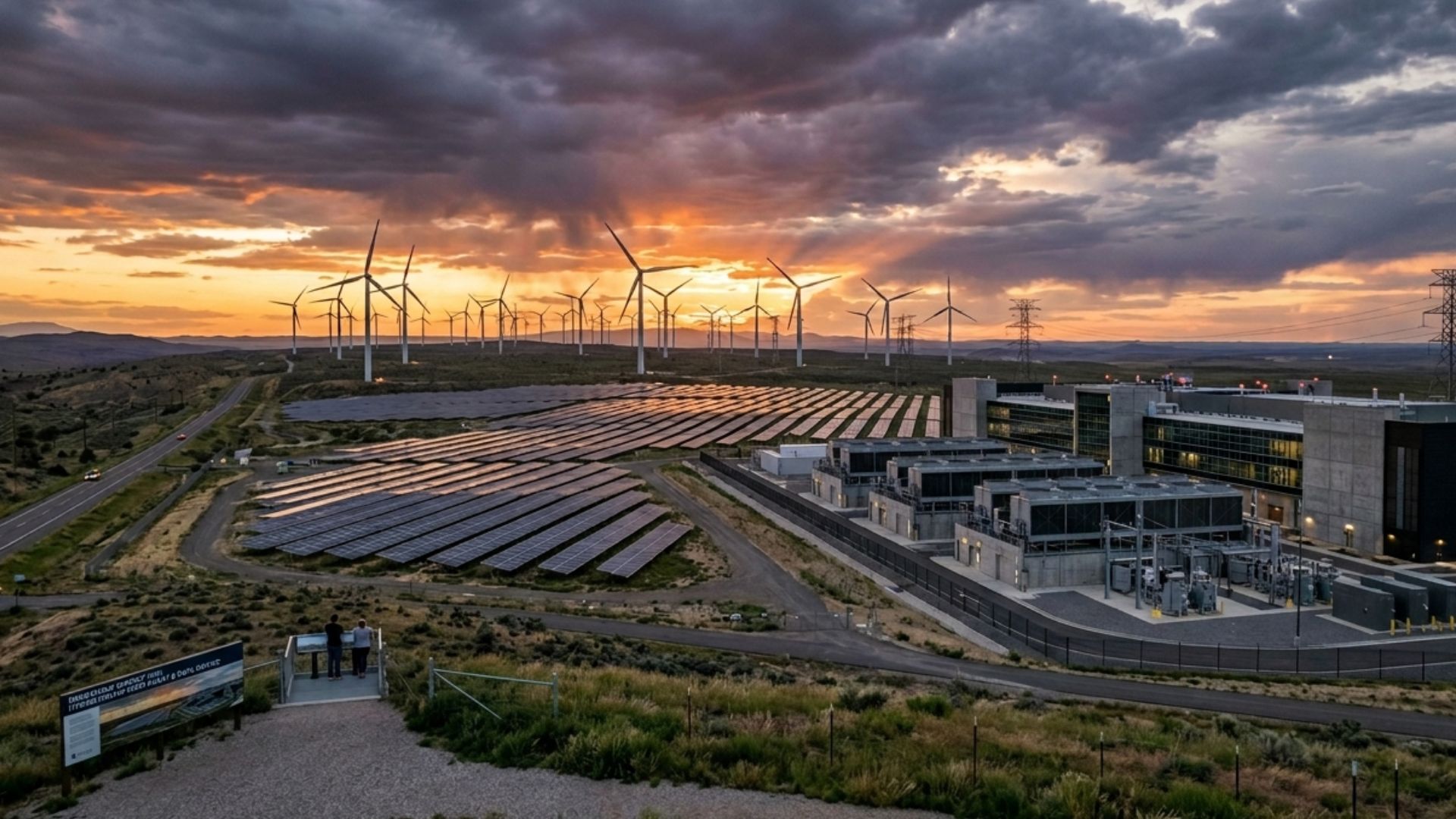
How IBM and UNDP are using AI to map those who still live without renewable energy and accelerate solutions that promise to transform local economies and reduce deep inequalities.
-
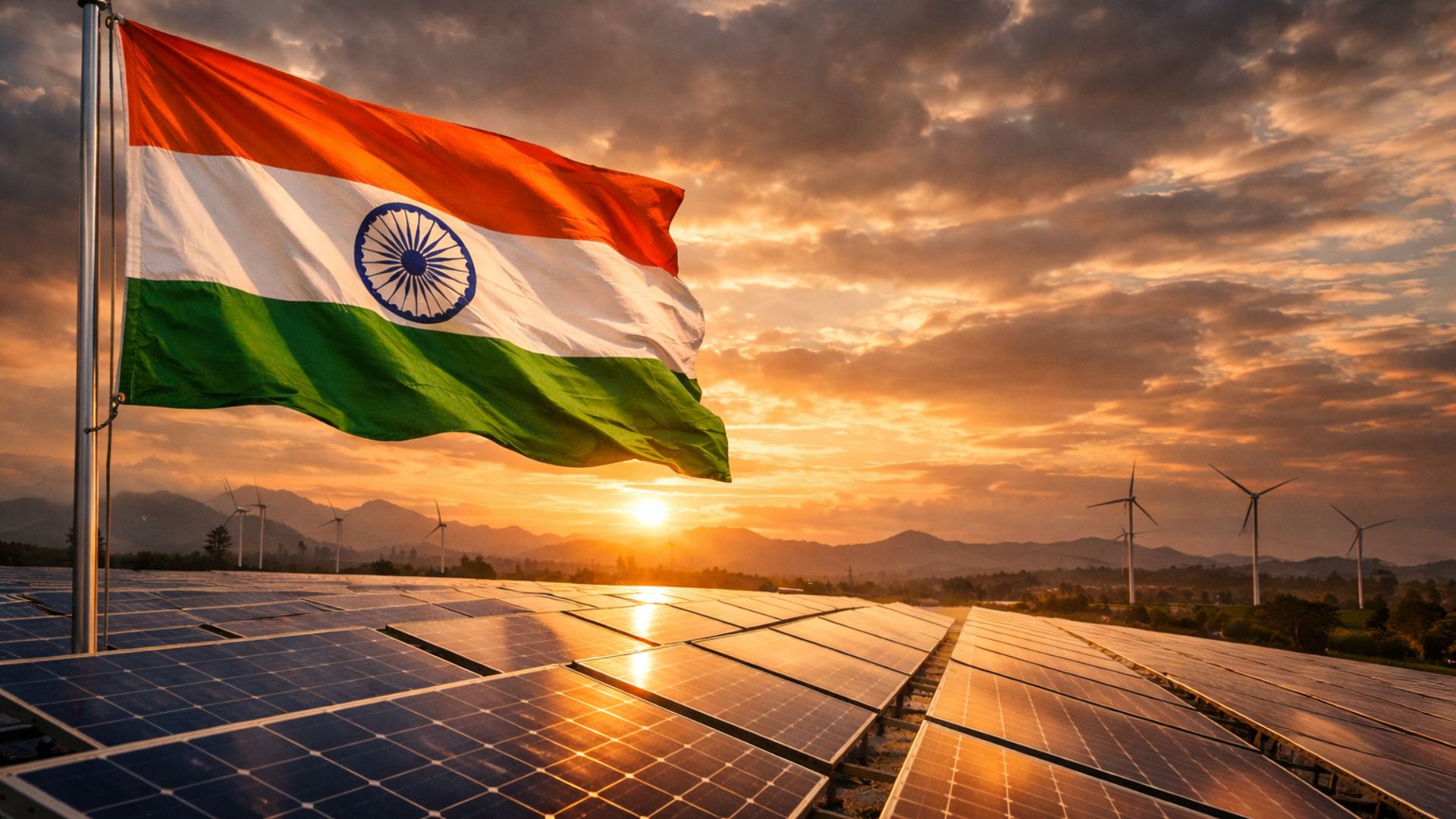
India takes the 3rd position globally in installed renewable energy capacity and accelerates the energy transition at an unexpected pace, reducing costs, attracting foreign capital, and consolidating its global energy leadership.
The report, titled “Meeting The UAE Consensus: Tracking Progress Towards The Goal Of Tripling Renewable Energy Capacity And Doubling Energy Efficiency By 2030”, also warns that energy efficiency is progressing at a worrying pace. In 2024, global energy intensity improvement was only 1%, whereas a 4% annual improvement is needed to keep climate targets alive.
Despite the recent increase, the amount of funds disbursed remains far below what is required to support a robust energy transition. The study indicates that the world needs to invest US$ 1.4 trillion per year between 2025 and 2030 in renewable energies—more than double the US$ 624 billion spent in 2024.
This shortfall undermines the creation of new project portfolios and delays ongoing works, making it difficult for countries to meet their decarbonization targets.
The UN Secretary-General, António Guterres, made an urgent appeal for concrete actions:
“Renewable sources are being deployed more quickly and cheaply than fossil fuels, driving growth, jobs, and access to energy. But the window to keep the 1.5°C limit within our reach is closing rapidly. We must act more vigorously, scale up, and accelerate a fair energy transition—for all, everywhere.”
This statement reflects the urgency that should characterize the discussions at COP30, scheduled to take place in Belém, Pará, in 2025.
IRENA And The Role Of Major Economies In The Transition
IRENA’s Director-General, Francesco La Camera, highlighted that renewable energies represent “the most economical climate solution and the greatest economic opportunity of our time.” He emphasized that accelerating deployment, modernizing grids, and strengthening supply chains are crucial steps.
“Every dollar invested generates growth, jobs, and energy security. By raising targets, mobilizing financing, and deepening cooperation, major economies can lead the energy transition and turn COP30 into a historic milestone,” he stated.
According to the report, the G20 is expected to account for more than 80% of global renewable energy capacity by 2030, while G7 nations should represent about 20% of global capacity. This concentration reinforces the leadership role of major economies in the race towards carbon neutrality.
For his part, the President of the Global Renewable Energy Alliance (GRA), Ben Backwell, reminded that the solar, wind, and hydropower industries have already demonstrated significant results in job creation and energy stability.
“What is needed now are long-term government plans that match national ambitions. We need to create project portfolios that go beyond the paper stage, with concrete actions in grids and storage to maximize the benefits of energy transition. This report shows that the march towards an abundance of renewable energy has already begun—and it’s time to accelerate it,” he said.
The message reinforces that governments need to integrate their renewable energy targets into national climate plans (NDC 3.0) and raise their contributions to meet collective goals.
Climate Financing And Global Commitments
Another key point of the report relates to international climate financing. Developed countries are urged to meet the minimum commitment of US$ 300 billion annually set by the New Quantified Collective Goal (NCQG). In addition, they should aim for the aspirational level of US$ 1.3 trillion established at COP29, held in Azerbaijan.
This support is essential for emerging economies and developing countries to build clean infrastructures, modernize their grids, and reduce dependence on fossil fuels.
IRENA also highlighted that the future of the energy transition strongly depends on modernizing electricity grids. Without this investment, the expansion of renewable energies may be limited by technical bottlenecks and lack of integration capacity.
Between 2025 and 2030, approximately US$ 670 billion per year will be needed solely for grid modernization, along with new resources for energy storage solutions and to ensure the stability of national electrical systems.
The combination of solar and wind energy along with new storage technologies promises greater resilience but requires coordinated public policies, regulatory incentives, and international cooperation.






Seja o primeiro a reagir!