Portuguese
  Spanish


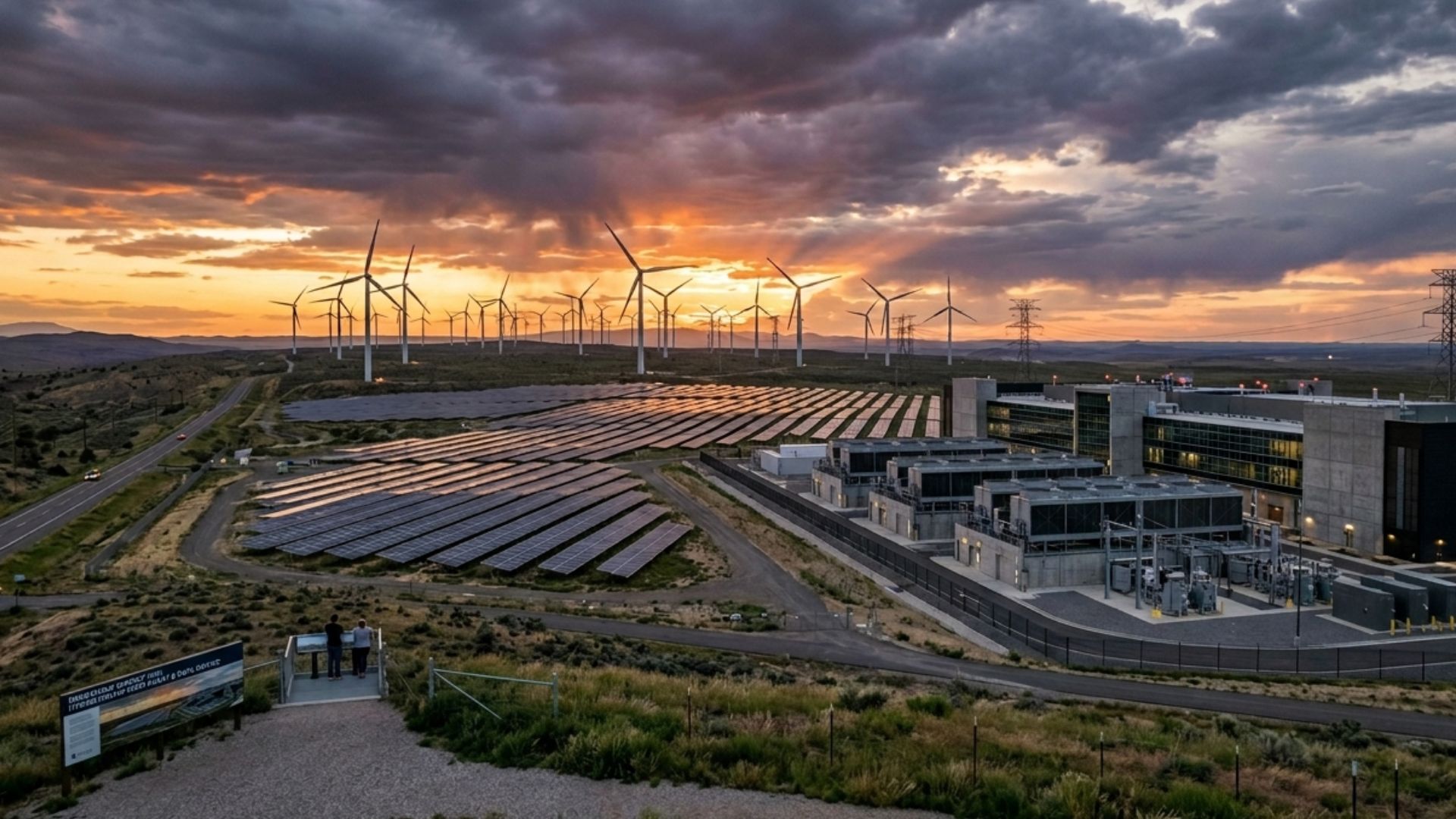

Discover how IBM and UNDP apply Artificial Intelligence and AI to identify regions without renewable energy, guide strategic investments, and boost energy inclusion with advanced data and global social impact.
Access to renewable energy remains one of the biggest global challenges. Even with technological advancements, millions of people still live without reliable electricity. UNDP data indicates that over 1 billion people face energy poverty, which limits development in various areas.
In light of this scenario, the partnership with IBM has been transforming the way governments understand and tackle the problem. The application of Artificial Intelligence and geospatial analysis allows for precise identification of those still out of reach of modern energy.
According to IBM’s official publication, more than just mapping data, the use of AI creates pathways for more efficient decision-making. This means directing investments strategically, accelerating access to renewable energy, and reducing deep inequalities.
-
World’s Largest Engie Solar Plant in Brazil Highlights Billion-Dollar Energy Waste Issue: Company Considers Batteries and Bitcoin Mining to Avoid Wasting Production

-
Air Products Cancels $2.9 Billion Clean Hydrogen Megaproject in Louisiana, Shuts Down Arizona Unit, Highlighting High Costs of U.S. Energy Transition
-
Over 60 Tractors Take to the Streets in Lopera as Solar Parks Compete with Olive Groves, Affecting 13,000 to 100,000 Trees According to Conflicting Reports

-
Green Hydrogen Projects in Northeastern Brazil Stalled for 18 Months Awaiting Government Decree, Delaying Billions in Investments


The silent challenge of energy poverty in the current century
Lack of access to energy is not just a technical issue. It is a structural problem that directly affects quality of life. Without electricity, entire communities face limitations in access to health, education, and economic opportunities.
Among the main impacts are:
- Difficulty in the functioning of hospitals and basic services
- Limitations in education and access to information
- Low productivity in economic activities
- Digital and technological exclusion
Although many countries present positive data at the national level, these statistics often hide regional inequalities. Rural and peripheral areas continue to be the most affected.
It is in this context that UNDP begins to integrate solutions based on Artificial Intelligence, with the support of IBM, to make these gaps visible and act with greater precision.

How IBM’s Artificial Intelligence Strengthens UNDP Decisions
The collaboration between IBM and UNDP represents an important advance in the use of data for sustainable development. Artificial Intelligence allows for the cross-referencing of large volumes of information and generates detailed analyses on a global scale.
These solutions combine:
- High-resolution geospatial data
- Demographic and socioeconomic information
- Infrastructure and land use indicators
- Climate risk analyses
With the use of AI, models can identify invisible patterns in traditional analyses. This helps governments understand not only where renewable energy is lacking but also why this is happening.
IBM’s work, with platforms like watsonx.ai and cloud infrastructure, enables this large-scale processing. Meanwhile, UNDP contributes local knowledge and coordination with governments.
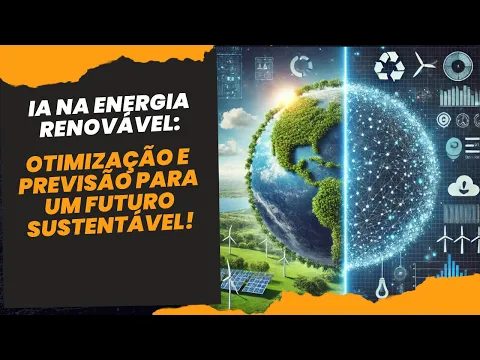

Clean Energy Equity Index and the Use of AI to Reveal Energy Inequalities
One of the main tools developed in this partnership is the Clean Energy Equity Index. The model uses Artificial Intelligence to map regions where investments in renewable energy can generate greater social impact.
The index considers multiple factors at once, including:
- Potential for clean energy generation
- Socioeconomic needs
- Available infrastructure
- Climate vulnerability
As a result, the system provides a more comprehensive view of reality. The model already represents about 1.5 billion people, allowing for detailed analyses of energy inequality.
Another important differential is the possibility of customization. Through interactive dashboards, users can adjust criteria and simulate scenarios, making the decision-making process more dynamic.
This approach reinforces the role of AI as an essential tool to promote equity in access to renewable energy.
Forecasting access to renewable energy with AI on a global scale
In addition to current mapping, the partnership between IBM and UNDP also focuses on forecasting future energy scenarios. The Electricity Access Forecasting model uses Artificial Intelligence to project electricity access by 2030.
The technology operates at a resolution of up to 1 km, analyzing detailed data from different regions. The system covers 102 countries, including areas in Africa, Asia-Pacific, Latin America, and the Middle East.
Unlike traditional methods, this solution allows:
- Anticipating regions that may remain without power
- Assessing the impacts of different public policies
- Identifying risks before they become larger problems
The combination of historical data with future projections makes AI a strategic ally. With the support of IBM, UNDP can provide governments with more accurate tools to efficiently expand renewable energy.
Renewable energy as a driver of social inclusion and economic growth
The impact of expanding renewable energy goes far beyond providing electricity. When communities gain access to energy, various transformations occur simultaneously.
Among the main benefits are:
- Creation of local jobs
- Encouragement of entrepreneurship
- Improvement in public services
- Increase in quality of life
Artificial Intelligence plays a central role in this process by ensuring that investments reach the right regions. Instead of general decisions, governments act based on concrete data.
The joint efforts of IBM and UNDP demonstrate that technology and development can go hand in hand. The use of AI allows for faster results and a more consistent reduction of inequalities.
Data-driven energy planning and Artificial Intelligence
Data-driven decision making is one of the pillars of this transformation. With the use of Artificial Intelligence, energy planning becomes more accurate and efficient.
The developed dashboards allow public managers to:
- Visualize data in real-time
- Compare different regions
- Simulate investment scenarios
- Assess climate risks
This level of detail strengthens governance and reduces uncertainties. AI allows decisions to be made based on evidence, not just estimates.
In this context, IBM‘s contribution goes beyond technology. The company helps structure scalable solutions, while UNDP ensures practical application in countries.
Local capacity building and the advancement of AI in access to renewable energy
Another important point of the partnership is the development of local capacities. It is not enough to offer technology. It is essential to ensure that governments and teams know how to use it effectively.
Therefore, UNDP and IBM invest in:
- Technical training in Artificial Intelligence
- Practical use of developed tools
- Data integration in public policies
This process strengthens the autonomy of countries and ensures that the use of AI continues to evolve over time. Additionally, capacity building contributes to decisions that are more aligned with local realities, increasing the impact of renewable energy initiatives.
The future of renewable energy with AI, IBM, and UNDP at the center of global decisions
The partnership between IBM and UNDP demonstrates that the future of renewable energy is directly linked to the intelligent use of data. Artificial Intelligence allows us to see previously invisible problems and create more effective solutions.
With tools that already cover 102 countries and analyze data from up to 1.5 billion people, the impact of these initiatives is expected to grow in the coming years.
More than technological innovation, this approach represents a shift in the way development is conceived. AI becomes an ally in building fairer, more inclusive, and sustainable policies.
By combining technology, data, and international cooperation, IBM and UNDP show that it is possible to accelerate access to renewable energy and transform realities on a global scale.