Portuguese
  Spanish


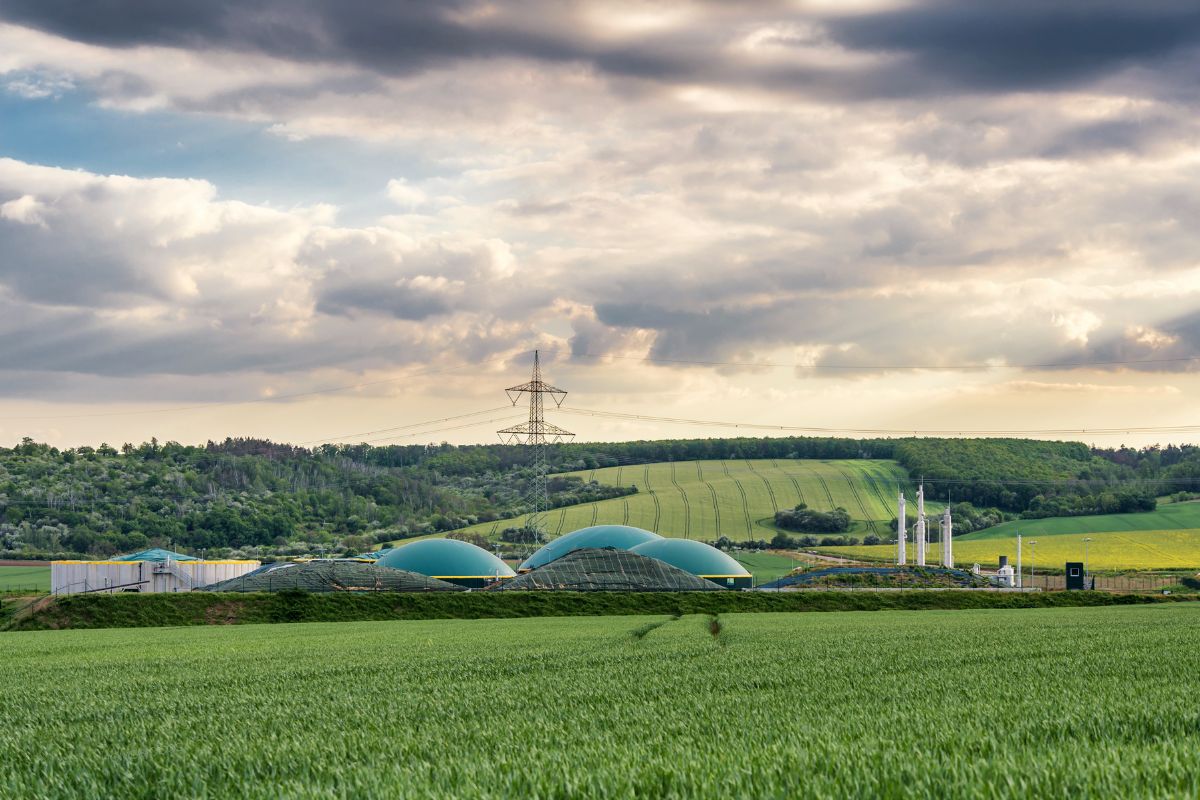


The renewable energy sector gains momentum and biogas advances in Brazil as a sustainable alternative to diesel, utilizing agricultural waste and landfills to transform environmental liabilities into profit.
The clean energy market is experiencing significant growth while biogas advances in Brazil through robust investments in purification plants and new strategic partnerships in agriculture.
This renewable fuel, obtained from the refining of biogas, emerges as the ideal substitute for fossil natural gas and diesel oil in heavy fleets and large industries.
Currently, the country is utilizing only a small fraction of its total potential, but the expansion of pipeline infrastructure and the modernization of regulatory standards are accelerating the adoption of this technology.
-
Over 60 Tractors Take to the Streets in Lopera as Solar Parks Compete with Olive Groves, Affecting 13,000 to 100,000 Trees According to Conflicting Reports

-
Green Hydrogen Projects in Northeastern Brazil Stalled for 18 Months Awaiting Government Decree, Delaying Billions in Investments
-
Brazil Concludes Largest Energy Auction in History, Secures 18.97 GW and Mobilizes $12.8 Billion to Ensure Supply Until 2031
-
How Norway Produces More Energy Than It Consumes with Nearly 1,800 Hydropower Plants and Over 1,100 Reservoirs


Large companies in the sugar-energy sector and solid waste management are leading this transition, installing production units that convert vinasse and organic waste into high-value energy.
This movement strengthens national energy security, reduces dependence on imports, and positions the country at the forefront of the global circular economy. Production is gaining commercial scale and promises to lower logistics costs, generating an immediate positive impact on the Brazilian production chain.
The technological rise of green fuel
The biogas purification technology allows biogas to advance in Brazil with a purity exceeding 90% methane. This “upgrading” process removes impurities such as carbon dioxide and hydrogen sulfide, delivering a final product with chemical characteristics identical to those of natural gas.
The competitive advantage lies in the source: while fossil gas requires deep extraction, biogas originates from the repurposing of materials that would otherwise pollute the soil and atmosphere.
The industrial sector consumes massive volumes of thermal and chemical energy. Fertilizer factories, ceramics industries, and steel mills find in biogas a ready solution to decarbonize their operations without the need to replace the entire machinery fleet.
As the fuel has the same specifications as conventional gas, the existing transportation infrastructure perfectly meets the new demand, facilitating distribution logistics.
The sleeping giant: The potential of agriculture
Brazil holds the title of the largest biogas potential on the planet, and agriculture supports this position. The production of animal protein and the processing of sugarcane generate mountains of waste daily. The use of these raw materials ensures that biogas advances in Brazil in a decentralized manner, creating production hubs close to consumption centers.
Sugar-Energy Sector: Vinasse and filter cake, by-products of sugar and ethanol production, have extraordinary energy potential.
Cattle Raising and Pig Farming: Animal waste feeds biodigesters that reduce odor and generate electricity and fuel.
Landfills: Urban waste ceases to be just an environmental problem and becomes an energy gold mine in large metropolises.
This diversity of sources ensures that production does not depend on a single seasonal factor. Wherever there is biological activity and organic decomposition, there is the opportunity to generate biomethane, transforming the interior of the country into a true rural pre-salt.
Logistical Challenges and Production Cost
Despite the enthusiasm, the path for biomethane to advance in Brazil at full speed faces infrastructural barriers. Most of the production potential is located inland, far from major industrial centers and the network of gas pipelines that runs along the coast.
Transporting compressed or liquefied gas by truck raises the final cost, requiring creative logistics solutions.
The initial investment to build a biomethane plant still scares small producers. Filtration equipment, compressors, and monitoring systems feature cutting-edge technology, often imported.
To overcome this obstacle, the government and financial institutions are designing specific credit lines that encourage the adoption of clean energy, aiming to reduce the payback period for companies.
Biomethane in Truck Tanks
Did you know that a truck powered by biomethane reduces particulate and nitrogen oxide emissions by almost 100% compared to diesel? In addition to the environmental gain, the driver experiences a much quieter operation.
Major manufacturers are already selling heavy vehicles ready to run on gas in the Brazilian market, eliminating the need for home adaptations.


The autonomy of these vehicles is impressive and meets medium and long-distance logistics routes. Transport companies that adopt biomethane secure contracts with large corporations seeking sustainability certification in their operations.
This pressure from the corporate market for “green” freight acts as a catalyst for the rapid expansion of the refueling station network throughout the national territory.
Sustainability and the impact on climate goals
The discussion about climate places biomethane in a prominent position. By capturing methane that would naturally be released into the atmosphere in landfills and farms, the producer prevents a gas 25 times more polluting than carbon from contributing to the greenhouse effect. Therefore, biomethane is advancing in Brazil as a highly efficient carbon offset tool.
Companies that use the renewable fuel generate decarbonization credits (CBIOs), which have market value and can be traded. This system creates a new source of revenue for rural producers and the industry, making environmental preservation a profitable business.
The energy transition is no longer just a moral obligation but becomes a smart financial strategy for surviving in the competitive global market.
The role of legislation and government incentives
Regulation plays a fundamental role in ensuring that biomethane is advancing in Brazil with legal security. The National Agency of Petroleum, Natural Gas and Biofuels (ANP) has established strict quality standards, which gives confidence to engine manufacturers and end consumers.
Now, the focus of the political debate is on the “Future Fuel Law,” which sets targets for the integration of biomethane into the natural gas network.
These mandatory targets create guaranteed demand for the producer, stimulating new auctions and long-term contracts. The government is also studying tax exemptions for biogas equipment, aiming to reduce technology costs for family producers.
When the rules are clear and incentives exist, private capital flows more naturally into the renewable sector.
Energy independence and the end of the diesel dictatorship
Brazil annually imports billions of liters of diesel oil to keep its road transport fleet running. This dependence exposes the Brazilian economy to fluctuations in the price of oil barrels and the dollar.
The strengthening of biomethane offers protection against these external crises, as the fuel is produced locally with national inputs.
Energy independence improves the country’s trade balance and ensures that money circulates within the Brazilian economy, generating jobs in the fields and factories. Small towns that install biomethane plants notice an increase in revenue and an improvement in local infrastructure.
The green fuel not only powers engines but also drives regional development in a balanced and resilient manner.
From Biogas to Renewable Hydrogen
The technological horizon points to even more ambitious steps. Biomethane serves as a basis for the production of green hydrogen through a process called steam reforming. This means that the plants currently producing biomethane can become suppliers of the cleanest energy in the world in the future.
Brazilian researchers are working on more efficient catalysts that reduce water and energy consumption in this process. The versatility of organic methane allows it to be stored and transported easily, serving as a chemical battery for the electrical system.
In times when the sun does not shine or the wind does not blow, biomethane plants come into action to ensure that the country does not suffer from blackouts or instabilities in the grid.
Biomethane as a Pillar of Brazil’s Future
The journey for biomethane to advance in Brazil is just beginning, but the signs of success are clear and encouraging. The integration between the thriving agribusiness, the energy-hungry industry, and environmental commitment creates the perfect scenario for an explosion of growth in the coming years.
The country has the raw material, the technology, and the urgent need to migrate to cleaner sources.
The challenge of production and logistics requires a joint effort between government and the private sector, but the benefits outweigh any obstacles. By transforming waste into wealth, biomethane protects the environment, reduces transportation costs, and generates national sovereignty.
Ultimately, the future of Brazilian energy necessarily passes through biodigesters and purification plants, consolidating biomethane as the fuel of hope and economic prosperity.