






 Portuguese
  Spanish


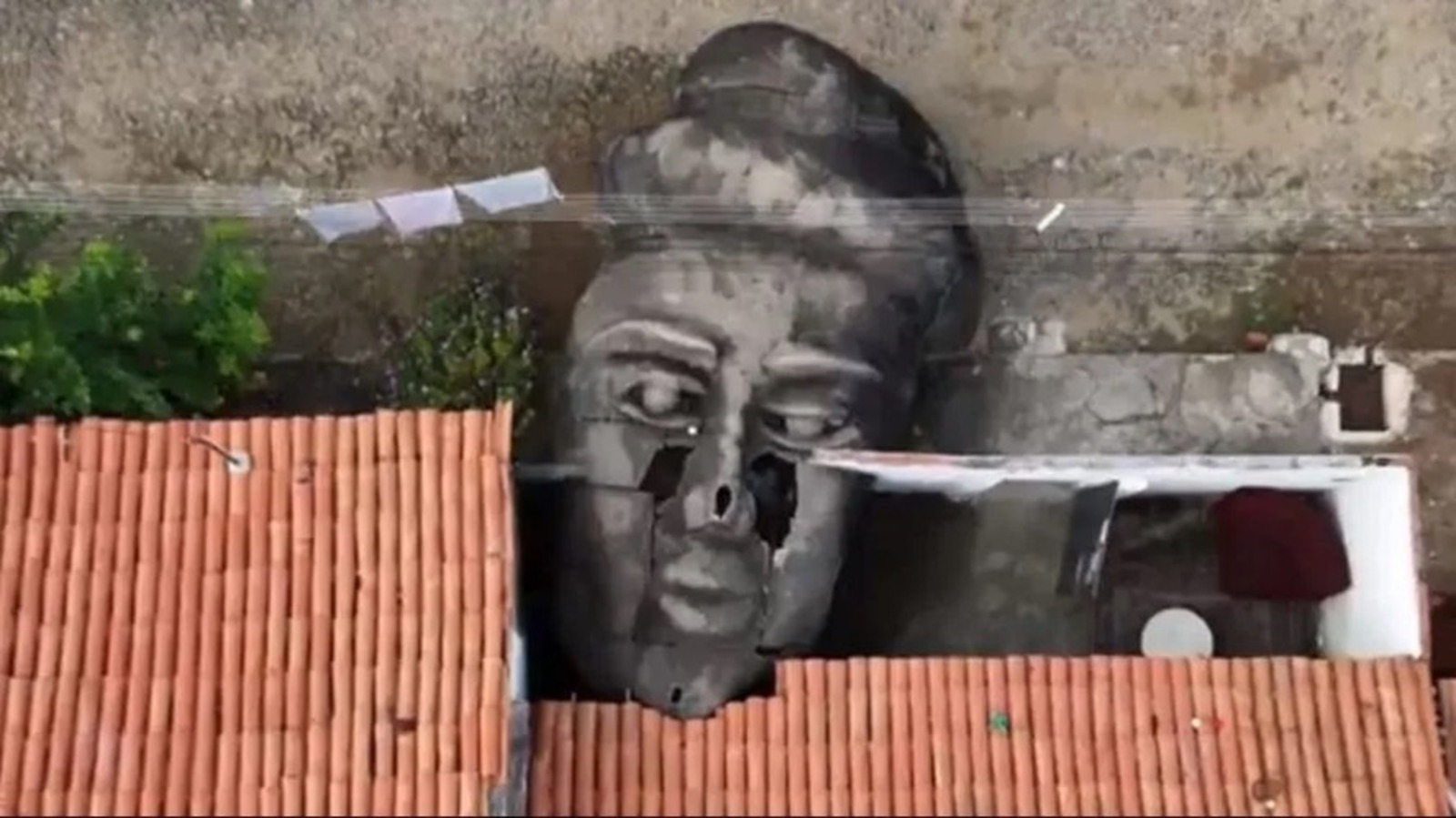


In The Interior Of Ceará, A Huge Concrete Head Became A Symbol Of Faith, Mystery, And Resistance In Caridade. The “Saint Without A Body” Attracts Visitors And Inspires Literary And Cinematic Works For Decades
In the municipality of Caridade, 95 kilometers from Fortaleza, a giant concrete head catches the eye of those passing by. What could be just an unfinished sculpture has become a symbol of the city and a popular religious tourism spot. Known as the “saint without a body,” the piece represents the head of Saint Anthony and carries a story that blends faith, improvisation, and memory.
It all began in the 1980s, when the then-mayor Raul Linhares decided to erect a large statue of the patron saint atop the Morro do Serrote do Cágado.
The project, signed by the plastic artist Franzé D’Aurora, envisioned a monumental work made of ferrocement.
-
Nivea Blue Tin Cream: Popular Post-Beach and Pool, But Pharmacist Warns About Missing Ingredients and Common Summer Mistakes Regarding UVA and UVB Protection.

-
Archaeologists Recover Colossal Structure Lost for Over 1,600 Years Under the Sea, Including 22 Monumental Blocks Weighing Up to 80 Tons, Intriguing Experts.
-
Longest Solar Eclipse of the Century Will Turn Day to Night for Over 6 Minutes, Allowing Star Gazing; Won’t Recur for 156 Years
-
At 17, she hand-painted her first watercolor design for school uniforms; her brand grew without investors, sold 135,000 pieces, and aims for $3 million in revenue by 2026.


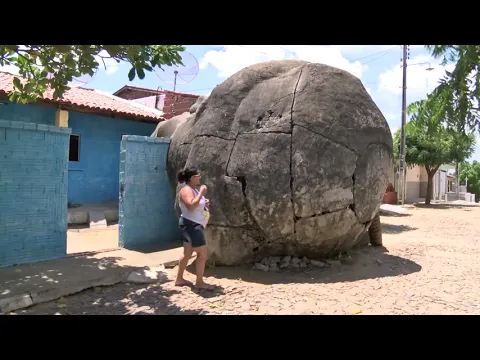

The Unfinished Sculpture That Became A Legend
Construction began, but was not completed. In 1986, lack of funds and structural issues interrupted the project.
The body of the statue remained standing on the hill, while the head — already finished — could not be installed due to safety concerns.
Since then, it has remained about three kilometers from the original location, in the yard of the house that belonged to the engineer responsible for the work. It was there that the head was molded and assembled prior to the halt.
Currently, the property belongs to the City Hall of Caridade, which plans to turn it into a small museum.
The space has become known among residents as “the house of Saint Anthony’s head” and attracts curious visitors, devotees, and tourists interested in learning about the story.
New Project, Same Devotion
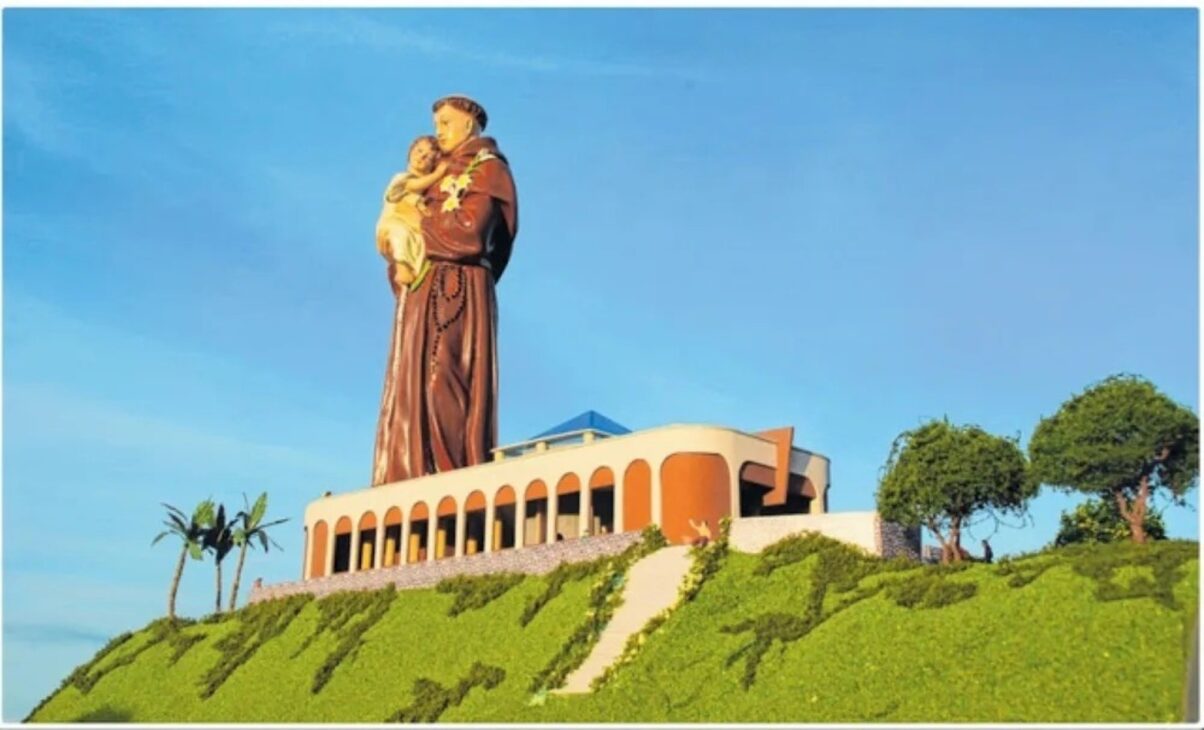
In 2021, the City Hall of Caridade and the Government of Ceará announced a new plan for the Morro do Serrote do Cágado: The Religious Complex Of Saint Anthony.
The project plans to construct a new statue 36 meters tall — nearly the height of Christ The Redeemer — in addition to a chapel, souvenir shop, viewing point, and parking.
The total investment is estimated at R$ 11 million and is under the responsibility of the Superintendency of Public Works of Ceará (SOP-CE).
The structure reached halfway in 2024, but the works have been stalled since then. A report from Casa e Jardim stated that it attempted to contact SOP-CE but received no response regarding the progress of the construction.
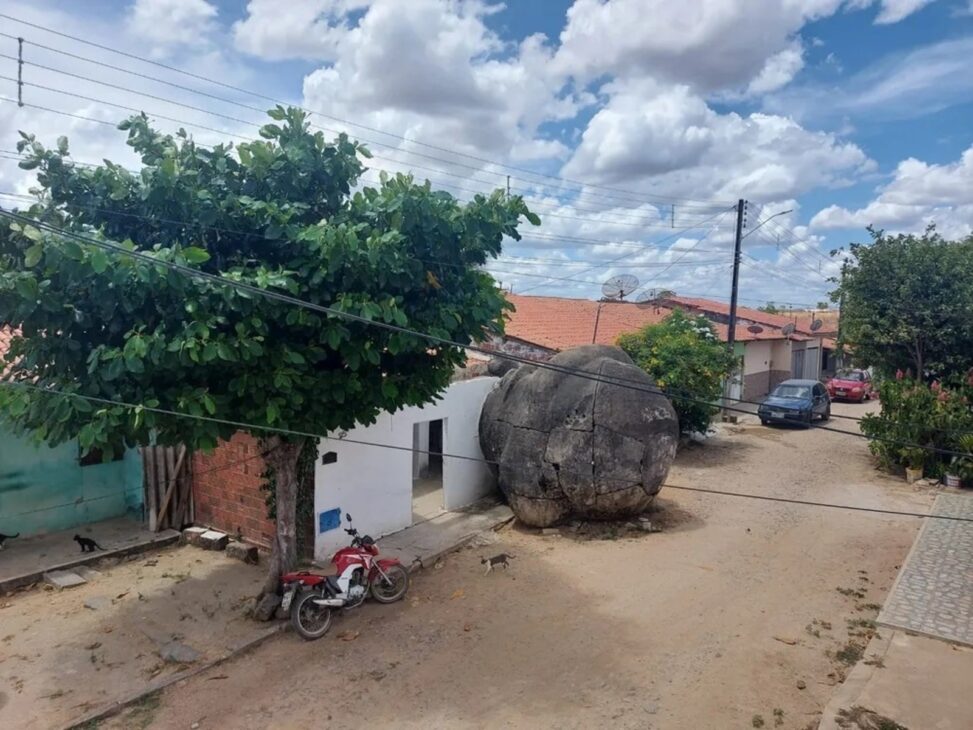
Giant Head: From Reality To Literature And Cinema
The Story Of Saint Anthony’s Head Has Transcended The City Limits And Entered The World Of Arts. It Inspired The Book The Head Of The Saint, By Ceará Writer Socorro Acioli, Released In 2014.
Set In The Fictional City Of Candeia, The Novel Tells The Story Of A Man Who Starts Living Inside The Abandoned Sculpture.
The Author Shared In An Interview With G1 That It Was With This Plot That She Participated In A Literary Creation Workshop In Cuba, Led By Gabriel García Márquez.
In 2024, The Literary Work Was Announced As A Future Film Adaptation, Directed By Joana Mariani.
The Production Will Use A Scenic Replica, As The Heat Inside The Original Sculpture Prevents Filming On Location.
With Information From Casa E Jardim.


No Ceará, toda cabeça é gigante.
Não é de duvidar que comecem uma romaria e escritos acerca do “santo sem cabeça” em relação a estátua sem cabeça.
Jesus Cristo é suficiente.
No ano 2000 eu andei dentro desta cabeça. É apenas concreto e ferro.