






 Portuguese
  Spanish


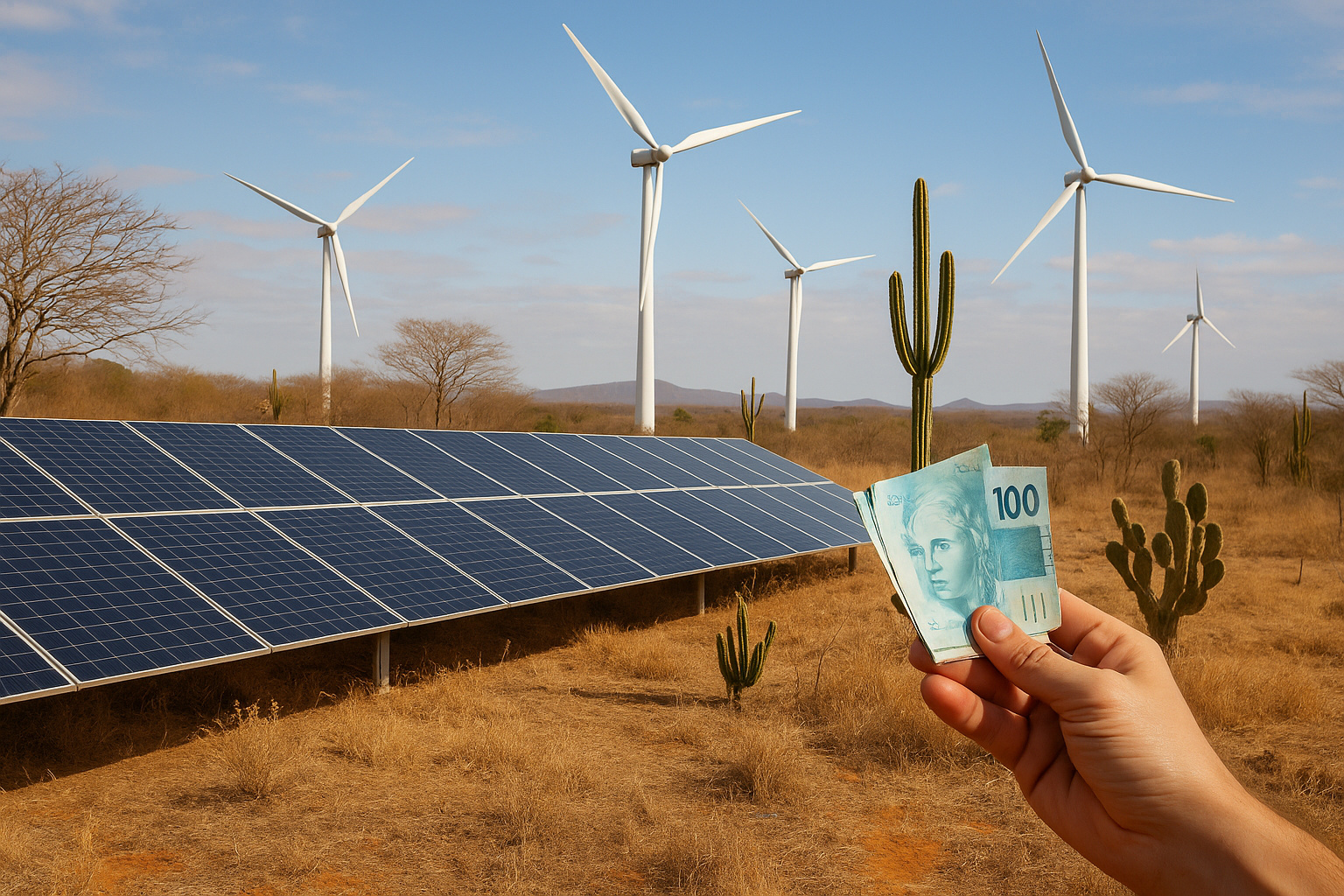

Region Experiences Historic Economic Expansion with Inclusive Credit, Renewable Energy, and Strengthened Agriculture
The Brazilian Northeast recorded in 2025 a performance above the national average, as highlighted by Paulo Câmara, president of Banco do Nordeste (BNB), during the EXAME Fórum Nordeste, held in São Paulo on September 20. According to him, the current growth cycle combines economic, social, and environmental progress, consolidating the region as one of the main development hubs in the country.
Public Investments and Reducing Inequalities
According to the executive, the Northeast received 42% of the resources from the New PAC in 2024, a volume that reinforces the region’s strategic relevance. Additionally, Nova Indústria Brasil (NIB) released R$ 9.5 billion in credit via BNB in the same year, strengthening local industries and encouraging innovation projects.
This process, according to Câmara, contributed to reducing historical inequalities, improving social indicators, and stimulating the attraction of new investments. As a result, Brazil exited the hunger map in 2025, a result that reflects the expansion of social programs and the generation of formal jobs, now at the lowest level in historical series.
-
Brazil’s 2026 Tax Refund: Record 9.58 Million Filers in Largest Payout Ever, But a Key Detail on Priority Recipients Draws Nationwide Attention

-
Itaú Alters Hybrid Work Model, Increasing Office Days from 2028, Prompting Employees to Adjust to New Routine
-
Facing Labor Shortage, Japan Plans to Invest $34 Million to Attract Foreign Workers in Construction, Healthcare, Industry, and Commerce

-
Brazilian City Makes Remarkable Leap, Becomes 4th Wealthiest in the Country with GDP of R$ 134.1 Billion




Inclusive Credit and Expanding Microfinance
BNB projects to mobilize R$ 70 billion in 2025, with 62% allocated to small businesses. The priority is to serve micro-entrepreneurs, small farmers, and service providers, strengthening local activities and ensuring economic dynamism.
Currently, nearly 4 million people have access to microcredit through Agroamigo, a program with minimal default that fosters commerce, services, and family agriculture. In addition to supporting small businesses, the bank also finances large infrastructure projects, renewable energy, highways, and sanitation, consolidating its role as a partner in regional development.
Clean Energy as the Engine of Growth
According to the bank’s president, the Northeast is now a global reference in renewable energy. The region was a pioneer in wind generation 15 years ago, leads in solar energy production, and is already preparing to become a leader in the green hydrogen chain.
If in the past the Northeast faced energy crises and even blackouts, now the reality is different: the region exports electricity to other states, demonstrating its transformation into a strategic clean energy hub.
Family Agriculture at an Accelerated Pace
In the last two and a half years, rural credit aimed at family agriculture increased by 126%, according to data from the bank itself. Today, 90% of contracts in this segment go through BNB, reinforcing its importance as the main agricultural financing instrument in the region.
With Agroamigo established as a federal government priority, the initiative ensures directed credit, generates income, strengthens permanence in the countryside, and stimulates food production on an increasing scale.
Prospects for the Region’s Future
For Câmara, investing in the Northeast is investing in Brazil’s future. The region grows above the national average, diversifies strategic sectors, and consolidates itself as a sustainable development platform.
The president emphasized that Banco do Nordeste will remain a key partner for new investments, increasing credit, fostering innovation, and promoting financial inclusion.







