Portuguese
  Spanish


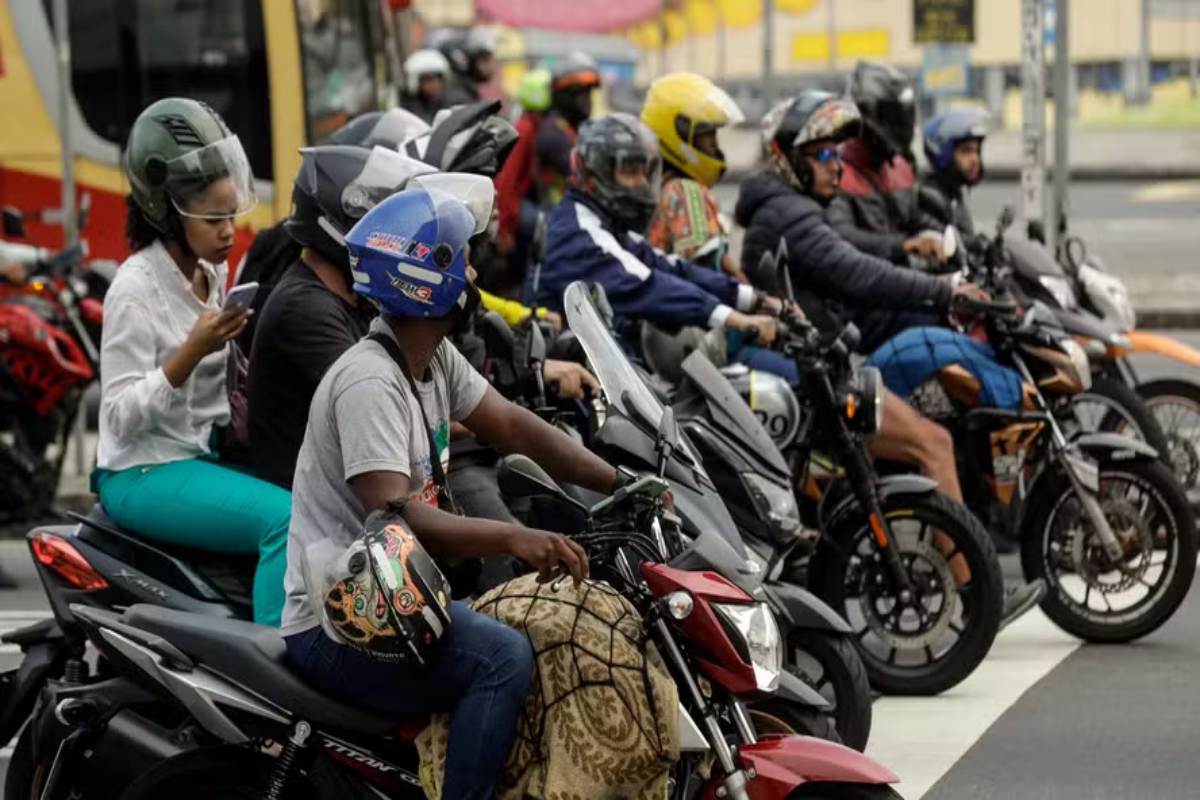


Pressure Works: Paes Retracts and Motorcycles Will No Longer Be Blocked on Central Lanes or Limited to 60 km/h
Amid an alarming scenario of accidents involving motorcyclists, the City Hall of Rio de Janeiro announced and subsequently retracted measures aimed at restricting the circulation of motorcycles on the central lanes of Av. Brasil, Presidente Vargas, and das Américas. The proposals, which also included a speed limit of 60 km/h, sparked intense debates among authorities and motorcycle representatives.
Motorcycle Accidents Spike 145% in RJ
Recent data reveals a significant increase in accidents involving motorcycles in Rio de Janeiro. In 2024, over 49,000 accidents were reported, representing a growth of 145.7% compared to the previous year. Additionally, 77% of traffic accidents attended by the Fire Department involved motorcycles.
City Hall Proposed Measures to Reduce Accidents:
- Speed Limit: Establish a limit of 60 km/h for motorcycles throughout the city.
- Circulation Restriction: Prohibit motorcycles from traveling on the central lanes of Av. Brasil, Presidente Vargas, and das Américas, allowing only the use of side lanes.
These measures were part of the Road Safety Plan, launched during the Yellow May campaign, aimed at raising awareness about traffic safety.
-
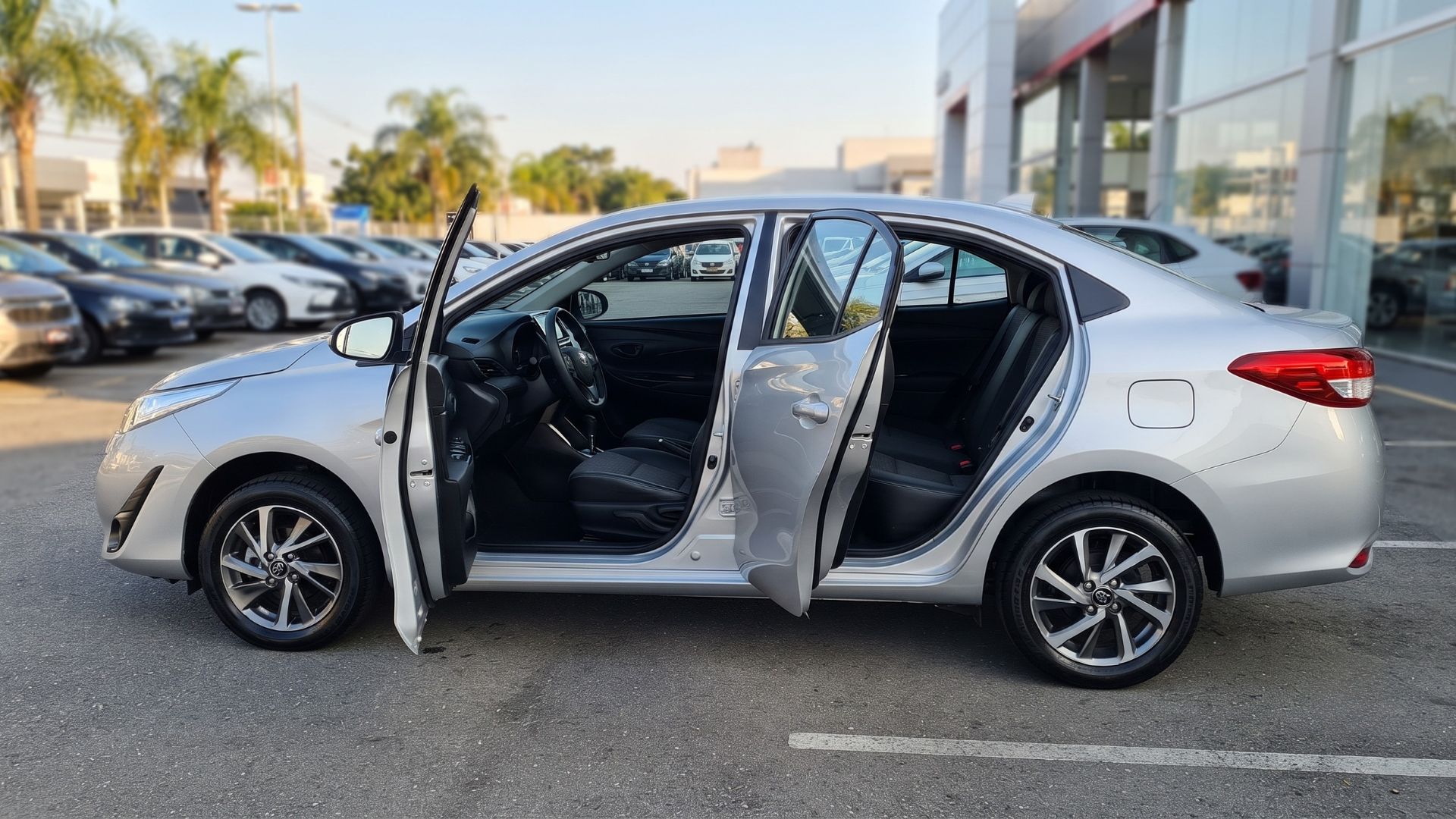
Automatic, economical, and known for reliability: with a 1.5 engine of up to 110 hp, CVT transmission, seven airbags, and fuel consumption of up to 15.9 km/l, this used hatchback appears as a rational alternative to Polo, HB20, and Onix; meet the Toyota Yaris XLS 2020.

-
He surpassed the Tera, Creta, and Tracker: With a TSI engine of up to 150 hp, 6-speed automatic transmission, and a 373-liter trunk, the Volkswagen T-Cross was the best-selling SUV in June, with 11,753 registrations.

-
It looks factory-made, but it came out of a workshop: a mechanic from Pernambuco builds a handcrafted “mini Toyota,” drives it through the streets, and the video goes viral on social media, leaving residents astonished.
-
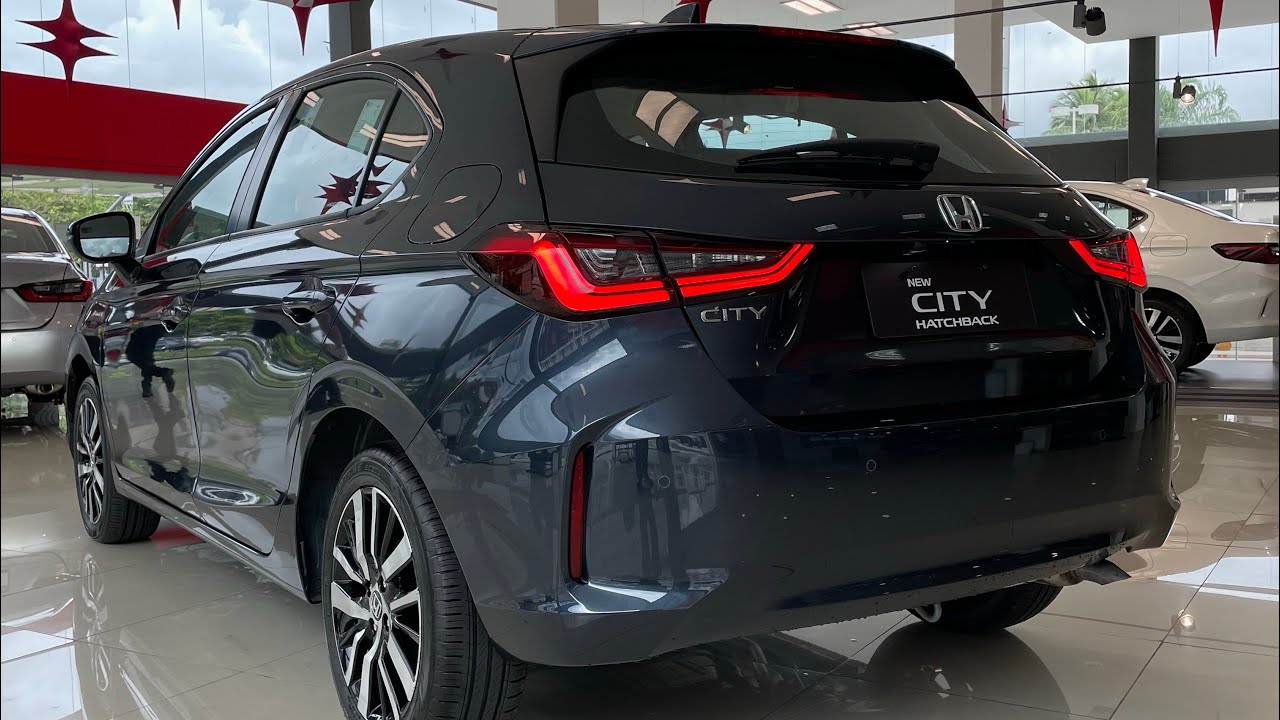
Hatch with sedan space and 1.0 car consumption: equipped with a 1.5 engine with 126 hp, CVT transmission with seven simulated gears, and consumption of up to 17.4 km/l, this used Honda delivers technology, comfort, and reliability; meet the 2022 Honda City Hatch Touring.


Reversal After Dialogue with Motorcyclists
After meetings with representatives of motorcyclists and motorcycle taxi drivers, Mayor Eduardo Paes decided to postpone the implementation of the measures. The primary concern raised was the safety in the side lanes, where there is a higher risk of robberies and accidents due to the presence of buses and trucks.
“I was approached by several representatives of motorcycle groups. The main issue is the side lanes; there is a risk of robbery. Things in Rio de Janeiro. It’s difficult,” said the mayor to CBN.
Additionally, the proposal to acquire 150 exclusive radars to monitor motorcyclists was also discarded.
City Hall Maintains Other Actions to Improve Road Safety:
- Expansion of Motorcycle Lanes: The goal is to expand from 6 km to 200 km by 2028, with 55 km planned by the end of this year, including Avenida das Américas and other important roads.
- Partnerships with Apps: Agreements with platforms like iFood and 99 aim to share data on motorcyclist behavior and implement educational and punitive measures.
Impact on Health Services
The increase in motorcycle accidents has overloaded the city’s health services. In 2024, hospitals recorded over 19,000 treatments for motorcycle accident victims, a 32% increase compared to the previous year.
The situation highlights the need for ongoing dialogue between authorities and motorcycle representatives to develop solutions that ensure traffic safety without compromising the mobility of professionals who rely on motorcycles for work.
And what do you think about these changes in the traffic of Rio de Janeiro? Leave your comment below and share this article with your friends to expand the discussion on road safety in our city!