Portuguese
  Spanish


Innovation Led by Brazilian Company Allows Any Surface, from Glass to Vehicles, to Generate Clean Energy, Completely Transforming the Concept of Photovoltaic Panel.
A new technology that allows the transformation of building facades, windows, and even vehicles into electricity generators is gaining traction in Brazil. Popularly known as “paint that generates solar energy”, the innovation goes beyond simple painting. It is a class of advanced materials that integrates solar energy capture into the objects and buildings themselves.
In Brazil, this revolution is already a commercial reality through Organic Photovoltaic Films (OPV), which function as a technological adhesive. A mining company is at the global forefront, applying this solution in large-scale projects and demonstrating that the future of solar energy can be flexible, transparent, and fully integrated into our daily lives.
What Is Solar Paint? Unveiling the Concept
The term “paint that generates solar energy” is a popular label for different technologies. It is crucial to understand that it is not a single product. There are technologies that convert sunlight directly into electricity (photovoltaics) and others that use light to generate fuel, such as hydrogen.
-
In Andradina, in the interior of SP, a tannery transformed tilapia skin that slaughterhouses used to throw away into exotic leather for bags, shoes, and even wedding dresses, producing about 2,000 pieces per month and exporting to seven countries, proving that fish waste has become high-value fashion.

-
The industrial waste that even recyclers didn’t want has gained value in the interior of Bahia: two entrepreneurs invested R$ 2.8 million to transform 350 tons per year of foam, rubber, and plastic into boards that can replace wood and MDF.

-
What is a red flashlight used for, after all? See why it is so commonly used at night.

-
He has never read a line of code, but he already knows how to work: the French company UMA presented in Paris the Northstar, its first AI-powered humanoid robot designed for factories and warehouses, capable of copying tasks just by observing an employee in action.



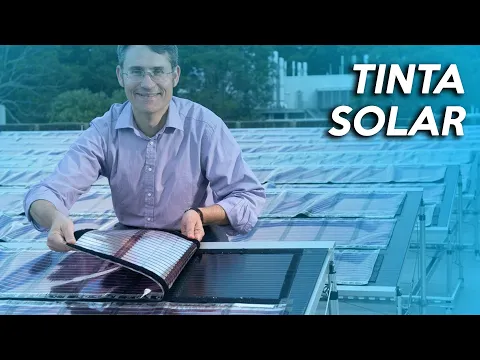
The new technology that effectively transforms a surface into an electrical panel is photovoltaic. It is in this field that Brazil stands out, focusing on innovative, lightweight, and versatile electricity generation, very different from traditional silicon panels.
The New Technology That Is Already a Reality in Brazil with Sunew
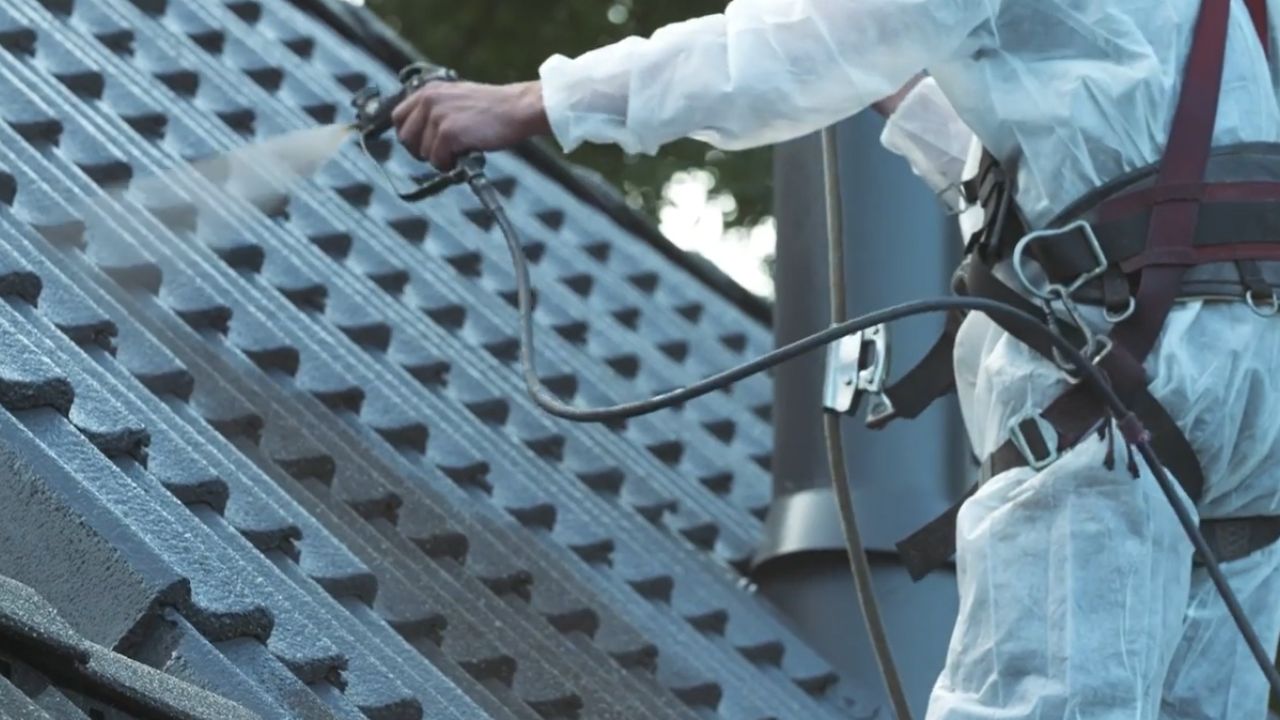
The most advanced and commercially available technology in Brazil is Organic Photovoltaics, or OPV. Instead of silicon, OPV uses carbon-based polymers dissolved in a “paint” and printed on ultrathin plastic films. This printing process, called roll-to-roll, consumes up to 20 times less energy than the manufacturing of conventional panels.
The world leader in this area is the Brazilian company Sunew, based in Minas Gerais. Born from research and with investment from the BNDES, Sunew operates the largest OPV factory in the world. The company does not sell technology directly to consumers but establishes B2B partnerships to integrate its films into products from large industries.
Lightness, Flexibility, and Integration with Design
The great differential of OPV is not competing in cost per watt with silicon, but in “value addition” where rigid panels cannot be used. Its characteristics are disruptive:
- Lightness and Thinness: The films are extremely light, eliminating the need for structural reinforcements.
- Flexibility: They can be applied to curved surfaces, such as facades with bold designs or vehicle roofs.
- Semi-transparency and Customization: The technology allows different degrees of transparency, colors, and shapes, integrating perfectly into architectural projects without compromising aesthetics.
Large Brazilian Companies Already Use the New Technology
The viability of this new technology is proven by high-impact projects in Brazil. Sunew has already implemented its solutions in partnership with market giants, demonstrating the practical application of OPV:
- Natura: Conducted the largest OPV installation on a rooftop in the world at its headquarters in Cajamar (SP), reinforcing its sustainability brand.
- Grupo CAOA: Built the largest photovoltaic facade in the world at its R&D center in Anápolis (GO), integrating energy generation into the design of the glass facade.
- PepsiCo: Applied OPV films on over 250 trucks to power auxiliary systems, reducing fuel consumption and vehicle downtime.
The Path of Solar Energy Beyond Silicon

Despite the success, the new technology faces challenges. The conversion efficiency and durability of OPV are still lower than those of silicon panels, which have 25-year warranties. The economic viability of OPV is based on its ability to offer solutions that silicon cannot, justifying its cost in high value-added niches.
Brazil, however, is uniquely positioned. With a regulatory environment (INMETRO) that already recognizes OPV and a proven innovation ecosystem, the country is not just a consumer but a protagonist. The ongoing revolution is subtle: the fusion of energy generation with the very construction materials, and Brazilian innovation is leading this global transformation.