Portuguese
  Spanish


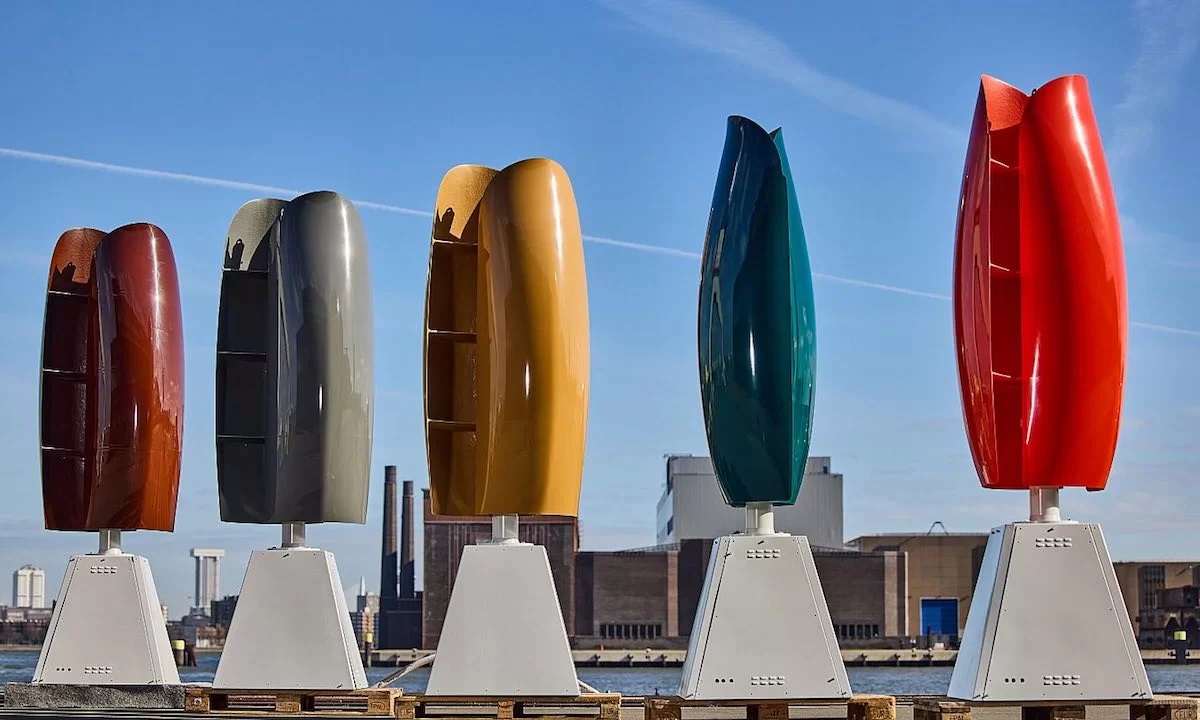


Company Develops A New Flower-Shaped Mini Wind Turbine Capable Of Generating Energy For Homes And Small Businesses. The Equipment Is Already Providing Power For Bicycle Charging Stations.
Company develops a new wind turbine that enables the generation of renewable energy without generating noise and in a directed manner. In fact, the frequency is so low that it is not perceived by humans. This detail is essential for installing the system in any location, especially in urban areas. Due to its flower-shaped design, the mini wind turbine mitigates the risk of collision with birds, something that makes many people oppose wind turbines, pointing to it as their weak point.
Mini Wind Turbine Is Only 1 Meter Long
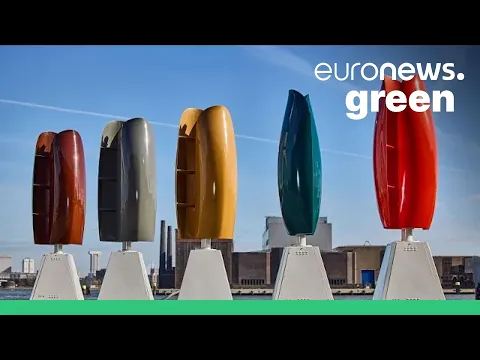

Currently, flower-shaped wind turbines are available in three options that vary in size and performance, depending on what the customer desires. The smallest turbine measures just one meter in length and is ideal for those looking to benefit from off-grid energy, such as in camping scenarios.
The medium model, which has a three-meter extension, is the most purchased by those planning to install the product in homes and small businesses. Manufactured with fiberglass blades, the wind turbine kit includes a generator, an additional battery, a charge controller, and a grid inverter.
-
Fired during apartheid and with a little borrowed money, an electrician started with a borrowed truck and transformed electrical services into a group connected to energy, real estate, and infrastructure in South Africa.

-
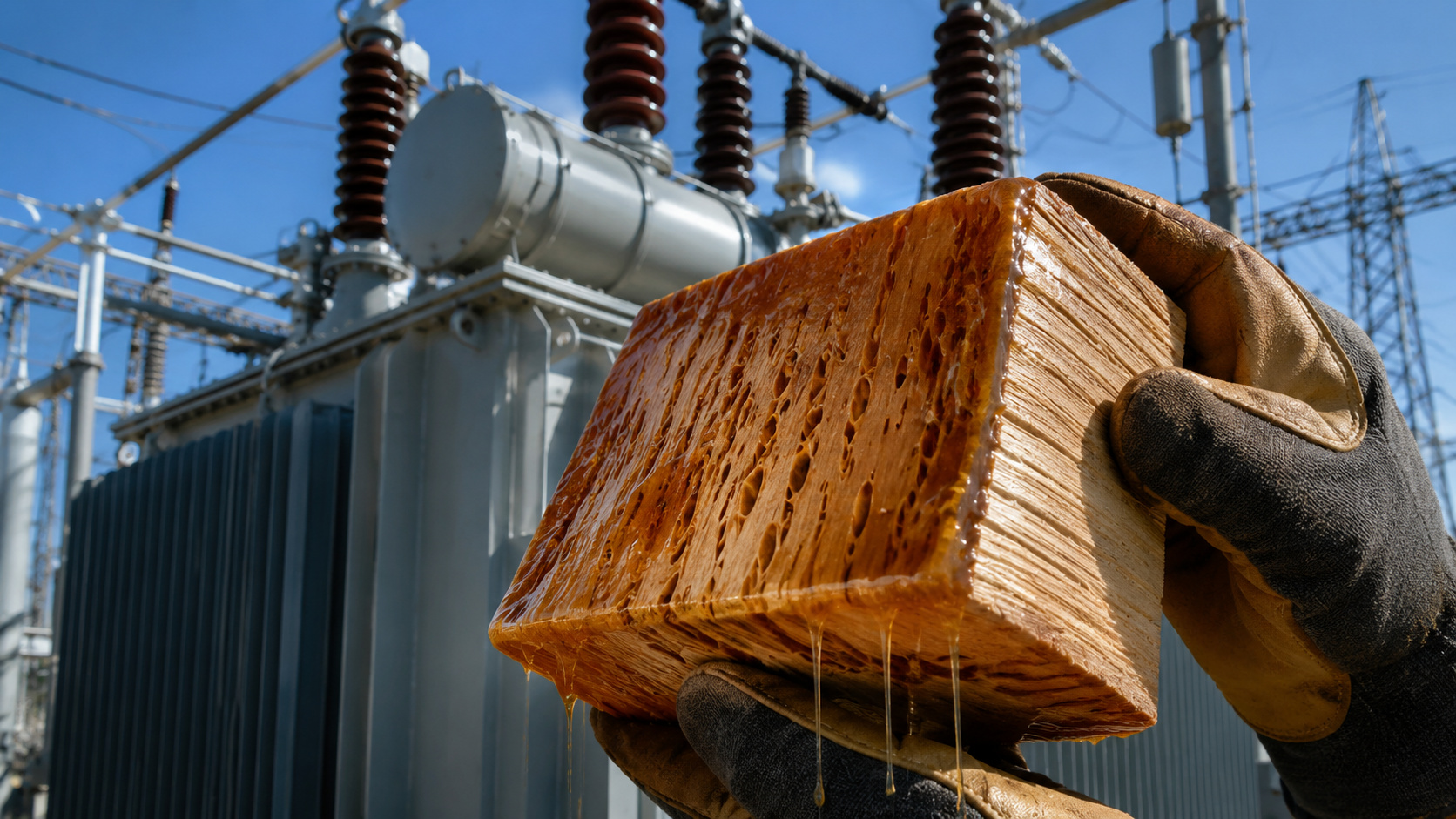
Wood has ceased to be just a construction material in Yale research and has become insulation for electrical transformers that face intense heat, aging, and increasing pressure from the renewable energy-powered grid.
-
More than 1,000 residents of a remote island in Kiribati now have clean water and electricity with solar systems operated by the community itself.
-
Ceará brings together 7 giants and R$ 66 billion to transform Pecém into the largest green hydrogen hub in Brazil, with final decisions expected by the end of 2026.



The Flower Turbines, the company responsible for the project, guarantees that its compact size allows installation on resilient ground or flat roofs, making it a great option for those seeking efficiency and cost-effectiveness.
Last but not least, the third model, which stands six meters tall, is an excellent alternative for clients needing large-scale energy. This turbine is recommended for installation on sturdier roofs, unused spaces, and parking lots. The company claims that energy efficiency can increase by up to 50% when turbines are placed nearby.
Company Tests Mini Wind Turbine In New Environments
Dr. Daniel Farb, CEO of Flower Turbines, states that the company is seeking new applications for its new product. For instance, electric bicycle charging stations powered by solar and wind energy are being developed.
Farb emphasizes that many small wind turbines are noisy, interfere with each other when placed in groups, and are inefficient. Furthermore, larger ones are big and cumbersome, suitable for industrial zones but not as good for residential areas.
Already generating power in installations in Colombia and the Netherlands, the aerodynamic design of the wind turbine could be a game-changer, as it allows for wind farms with small turbines. It is noteworthy that the company received the Dutch Sustainability Award 2019 after participating in the maritime accelerator PortXL in Rotterdam.
Wind Turbines With Innovative Designs Gain Attention
In addition to the mini wind turbine in the shape of a flower, the Dutch company, The Archimedes, has developed a different wind model that can also be installed in common residences, capable of producing 1,500 kilowatt-hours (kWh) per year using a wind speed of just 5 m/s, equivalent to 18 km/h.
The equipment is called the Liam F1 Urban Wind Turbine, an intelligent windmill energy generator. To give an idea, a family uses about 30 kWh per day, which totals 11,000 per year. Thus, just one turbine would be enough to generate more than 10% of a house’s energy needs in areas with stronger winds.
The largest model available on the market is twice the size and generates more energy, reaching an average of 7,500 kWh per year.