






 Portuguese
  Spanish


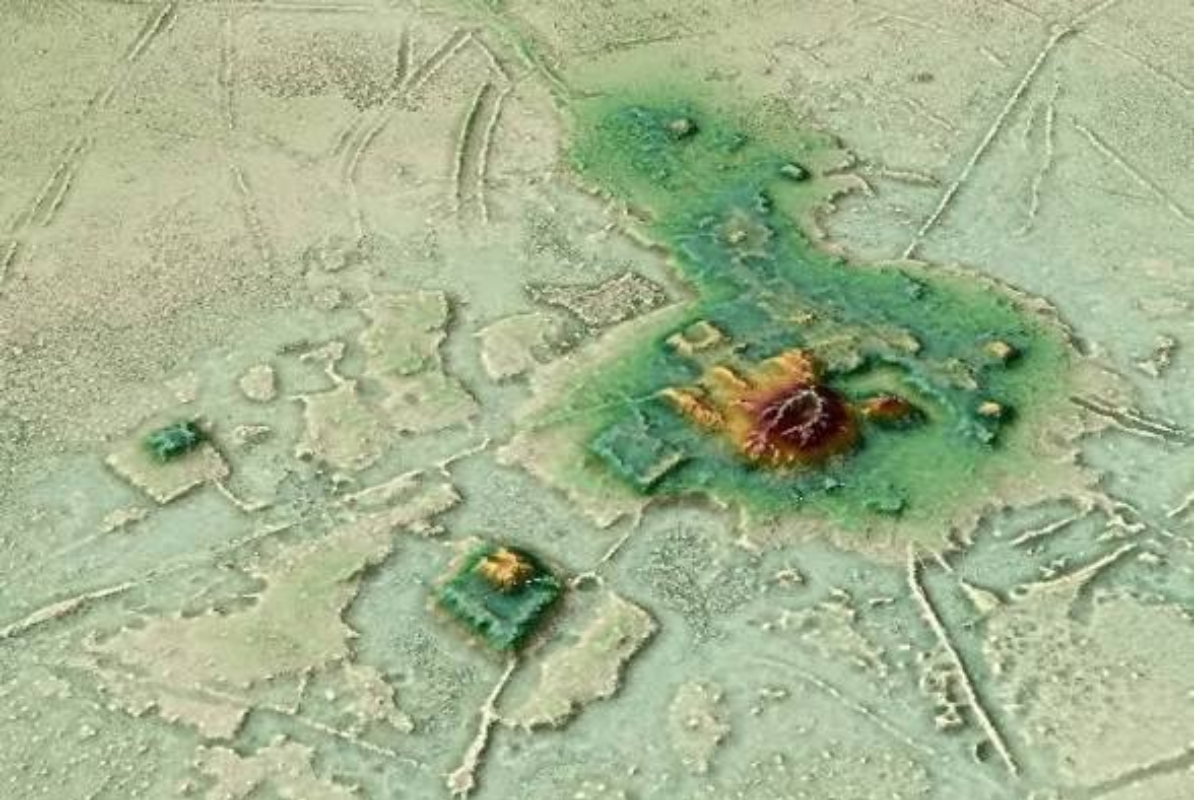

Researchers Reveal Ancient Cities Hidden Beneath the Amazon Rainforest, With Pyramids, Canals, and Advanced Urban Planning. The Discovery Rewrites the History of the Amazon and Inspires New Visions of Sustainability
For a long time, it was believed that the Amazônia was a vast green expanse that was virtually untouched, inhabited only by small nomadic groups.
But a new discovery is changing this view. Researchers found evidence of ancient organized cities, with streets, plazas, canals, and earth pyramids hidden beneath the dense vegetation of the South American jungle. The finding is considered one of the greatest archaeological revelations of recent decades.
According to a study published in the scientific journal Science, Amazonian civilizations developed a form of sustainable urbanism 2,500 years ago, challenging the idea that the biome was hostile to urban life.
-
Abandoned warehouse hid a giant collection of rare computers, with over 2,000 artifacts from the 1930s to the 1980s.

-
Scientists warn that melting ice is triggering an alarming chemical transformation in preserved areas, and the first signs are already concerning researchers worldwide.

-
China placed 198 robotic legs under a 7,600-ton school and made the building walk 62 meters in 18 days, rotating the historic structure as if a concrete structure had gained feet to escape demolition.

-
Distributor confirms the premiere of ‘Dark Horse’, Bolsonaro’s film, in 650 cinemas with 99% of copies dubbed.



Laser Scanning Reveals Entire Cities Beneath the Forest
The turning point came with the use of LiDAR (Light Detection and Ranging) technology, capable of mapping the terrain beneath the forest canopy. The team led by French archaeologist Stéphen Rostain from the Research Institute for Development (IRD) used aircraft equipped with laser sensors flying over the Upano Valley in Ecuador.
The result was astonishing: the ground revealed thousands of geometric structures, straight roads extending for kilometers, platforms, canals, and pyramids up to 20 meters high.
These constructions were identified as part of an urban network that housed tens of thousands of people, according to estimates published on the Science Focus.
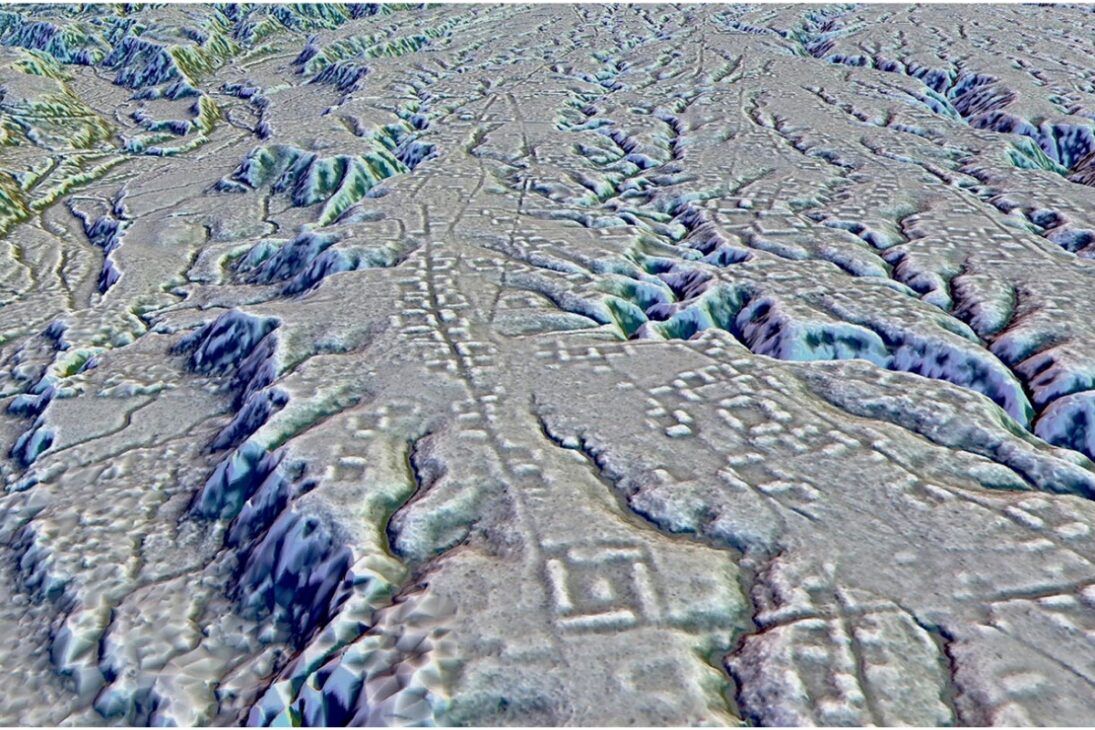
In addition to Ecuador, similar research in Bolivia, in the Llanos de Mojos, confirmed the existence of urban centers interconnected by dikes and canals, evidencing an advanced mastery of engineering and water management.
The researchers refer to this model as “low-density urbanism,” meaning cities integrated with the forest without destroying it.
The archaeologist Heiko Prümers from the German Archaeological Institute stated to Nature that these settlements represent “the proof that pre-Columbian Amazonia was much more complex and planned than previously thought.”
How These Ancient Cities Functioned
The findings indicate that ancient Amazonians possessed advanced knowledge of hydraulic engineering. The canals were used for both irrigation and transport.
There were drainage systems that prevented flooding during high water, and the soil was enriched with the so-called “terra preta de índio,” a mixture of charcoal, clay, and organic waste that kept the land fertile for centuries.
The elevated platforms served as bases for housing and temples, while large plazas and avenues connected different urban sectors. According to Rostain, the set reveals “a type of civilization that knew how to live with the forest, not against it,” as he stated in an interview with Mongabay.
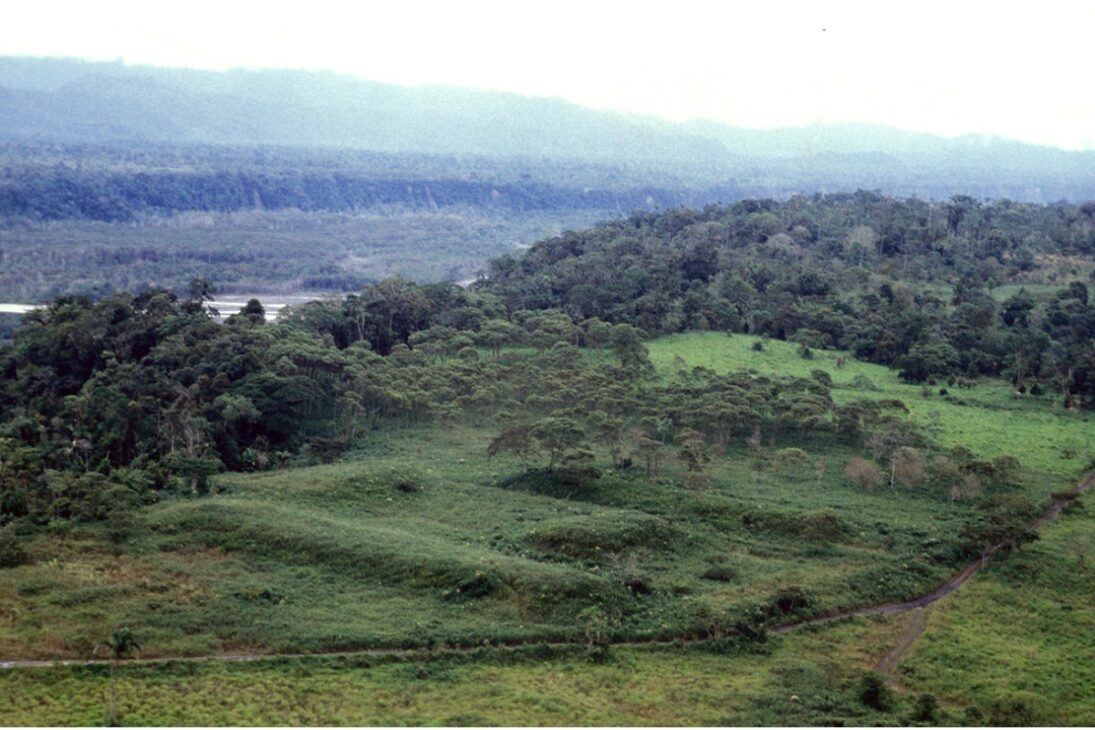
Moreover, the symmetrical distribution of roads and plazas shows centralized planning. Some main roads stretched for over 10 km in a straight line, a remarkable feat for a society that did not possess advanced metallurgy or draft animals.
These communities also mastered techniques of intensive and diverse agriculture. They cultivated cassava, sweet potatoes, corn, and native fruits, using a sustainable rotation system that prevented soil depletion.
The combination of agricultural practices with forest management created a true “garden landscape,” a concept cited in studies by The Guardian.
The Legacy of a Forgotten Civilization
Scientists believe that these urban centers disappeared about 600 years ago, probably as a result of severe climate changes or epidemics brought after European contact. What remained was absorbed by the jungle, which fully covered its monumental structures in just a few centuries.
The impact of these discoveries goes far beyond archaeology. They rewrite the role of the Amazon in human history.
They show that, instead of being an inhospitable territory, it was the cradle of complex, organized, and environmentally intelligent civilizations. This perspective could even transform how we think about current sustainability.
Archaeologist Stéphen Rostain summarizes: “The Amazon rainforest is, in part, a human creation. It carries in its composition the marks of centuries of careful management and cooperation between man and nature.”
For the future, researchers plan to expand LiDAR mapping in areas of Brazil, Peru, and Colombia, where there are indications of similar formations. It is estimated that there are between 10,000 and 24,000 artificial structures still undocumented, which could reveal an interconnected urban system on a continental scale.





