






 Portuguese
  Spanish
  3 min of reading
  0 comments


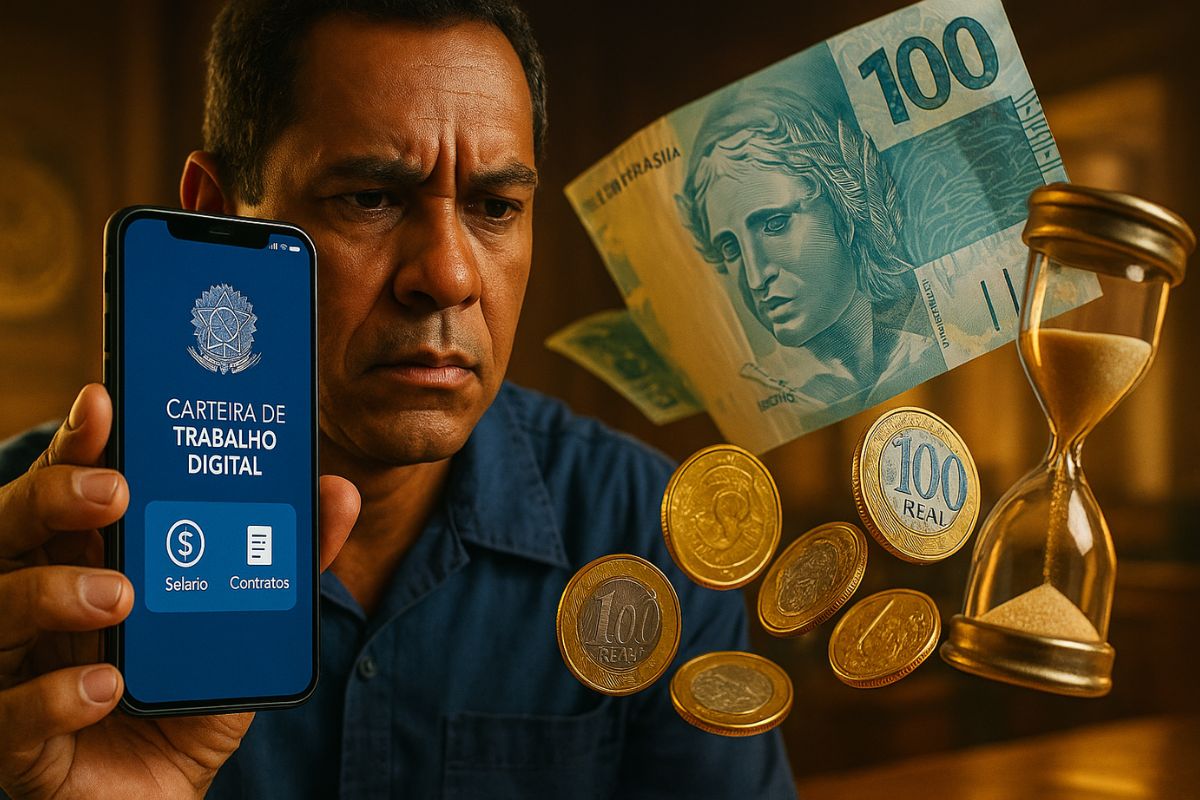
The Digital Work Card Now Allows You to Track Salaries, Contracts, and Notifications in Real Time, But Update Failures Can Harm the Worker If the Data Is Not Verified.
The Digital Work Card has definitively replaced the physical version and, in 2025, received new features that expand workers’ access to their labor information. The app and portal allow users to consult active and previous contracts, verify salaries declared by companies, and receive automatic notifications for admissions, dismissals, and contractual changes.
According to the FDR portal, this modernization aims to reduce bureaucracy, facilitate access to benefits, and provide more transparency to the relationship between employee and employer.
However, experts warn that constant verification is essential, as registration errors or synchronization failures can harm fundamental rights, such as vacations, 13th salary, and social security contributions.
-
Brazilian Joins Homeownership Consortium, Faces Decade of Dual Payments Totaling $141,000, Surpassing Traditional Mortgage

-
Land Rover to Halt Production in July, Putting 371 Jobs at Risk, as Chinese Automaker Negotiates to Convert Factory to 100,000 Vehicles Annually by 2027

-
Mexican Pest Threatens U.S. Cattle Herds at Historic Lows, Potentially Boosting Brazilian Beef Exports as Burger Prices Soar

-
Brazilian Freight Bill Progresses in Congress with $5,000 Minimum Wage, 70% Advance Payment, and Fines Up to $1 Million, as Agriculture and Industry Warn of Rising Costs and Legal Uncertainty


What Changed in the Digital Work Card in 2025
According to information from FDR, the latest version of the Digital Work Card allows real-time tracking of any movements registered by the employer.
Additionally, the platform is integrated with official job vacancy systems, bringing workers closer to new job opportunities without the need to personally visit Sine agencies.
Access continues to be made through the CPF, with a password linked to the gov.br account, which unifies digital labor and social security services in one environment.
This advancement ensures practicality and agility but increases the responsibility of all parties involved in the process.
Risks and Points of Attention for Workers
Despite the advantages, data update failures are still reported, such as incorrectly terminated links or salaries that differ from the actual amounts paid.
If the worker does not closely monitor, they may face difficulties when requesting INSS benefits, withdrawing FGTS, or proving length of service in legal proceedings.
Another relevant point is digital security. It is recommended to protect the account with a strong password and not to share access data, reducing the risk of fraud.
Keeping personal information updated in the system is also essential to avoid inconsistencies.
Shared Responsibility Between Employers and Workers
The success of the Digital Work Card depends on companies’ commitment to correctly registering all contractual information.
However, it is up to the worker to periodically verify whether the entries are correct and, in case of error, to immediately seek correction from the employer or file a complaint through official government channels.
Thus, the platform represents an important advancement for the modernization of labor relations in Brazil but requires continuous monitoring to ensure that no rights are lost.
The changes in the Digital Work Card in 2025 bring the worker closer to their information in real time but also reinforce the need for constant checking.
A simple registration error can compromise vacations, 13th salary, or even retirement.
And you, have you found any discrepancies in the records of your Digital Work Card? Do you believe this new system really protects workers or increases risks?
Leave your opinion in the comments — your experience can help many people.





-

-

-

-

-

36 people reacted to this.