






 Portuguese
  Spanish


Live Cattle Export Gains New Momentum In July With Turkey’s Return To The Market After June Hiatus, Consolidating The Euro-Asian Country As A Strategic Destination And Changing The Shipment Profile By Weight Class.
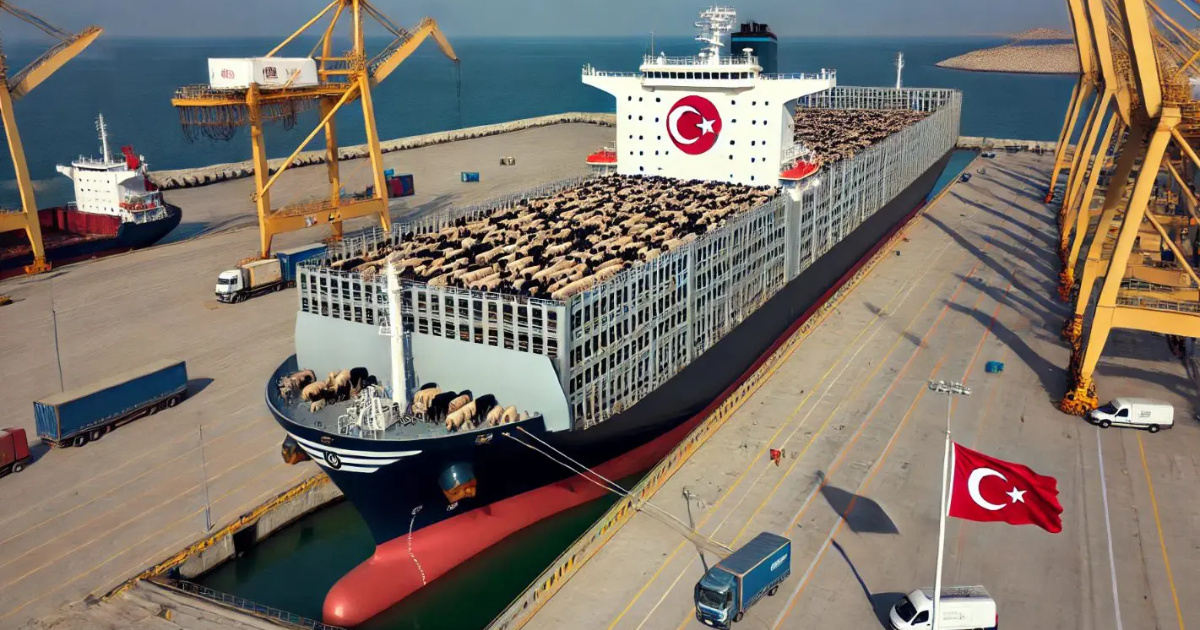
Brazilian live cattle exports gained momentum in July with Turkey’s return to purchases, after a hiatus in June that pressured the sector’s revenue.
According to a report published this Wednesday (27) by the Compre Rural portal, the country shipped 21,900 head, equivalent to 24.4% of the total monthly volume, and resumed its role among the main destinations for the national herd.
In the first half of 2025, Brazil exported 487,600 live cattle, a result 47.1% higher than the same period in 2024, even with Turkey’s absence in June.
-
Major Brazilian Supermarkets, Including Carrefour and Assaí, May Close Earlier to Prevent Price Increases

-
Coca-Cola Shuts Down 100-Year-Old Factory in the U.S., Impacting 85 Workers and Shaking Local Community with Historic Consequences
-
Bianca Andrade Invests $30 Million of Her Own Money in Boca Rosa, Launches Over 100 Products in a Year, Aiming for $400 Million by 2026
-
Belo Horizonte Becomes First Brazilian City to Fund Housing, Utilities for 100 Homeless Families with $900,000 Initiative


According to Scot Consultoria, the gap reduced revenue and made June the second worst month of the year in terms of revenue, behind only April. With this space opened, Iraq took the lead in imports for the semester.
Turkey Resumes Purchases And Reinforces Strategic Importance
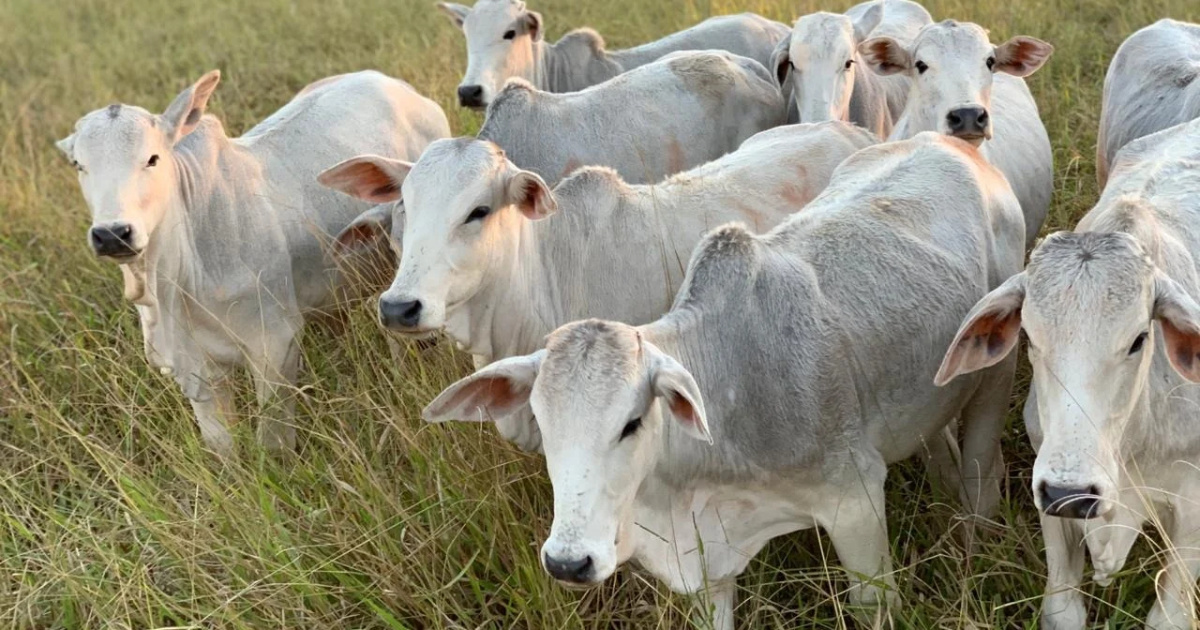
The Turkish re-entry focused on young animals, intended for fattening at the final destination.
Shipments to the country concentrated on cattle weighing less than 300 kg, a category in which Turkey accounted for all purchases in the month.
According to Scot Consultoria, “Turkey’s return to the market demonstrates the country’s relevance as a buyer of Brazilian cattle, especially for younger and lighter animals destined for fattening at the final destination”.
Meanwhile, other markets maintained an appetite for medium-sized lots.
This movement contributed to the reestablishment of sales momentum after the decline observed in the previous month, returning predictability to shipping schedules at ports with a tradition in this type of operation.
Weight Profile And Destinations Of July Shipments
Data from Secex compiled by Scot Consultoria shows that most exports in July fell within the weight range of 300 to 425 kg, with 49,032 head shipped.
Within this range, Iraq led the purchases with 24,631 animals, followed by Morocco (15,547), Lebanon (4,901), Jordan (3,790), and Nigeria (163).
In a distinct category, cattle weighing less than 300 kg were directed exclusively to Turkey, which received 21,881 head.
Among animals weighing over 425 kg, Egypt absorbed the total from this segment, with 18,623 head. Summing all weight intervals, exports in July reached 89,536 animals.
This breakdown highlights different commercial trajectories: countries in the Middle East and North Africa have distinct weight preferences and fattening purposes, which influences both pricing and the logistics of loading and unloading.
Regional Impact: Leading States In Shipments
On the internal map, Rio Grande do Sul stood out as the main supplier of animals destined for Turkey in July.
All shipments from Rio Grande do Sul that month had the euro-Asian country as their destination, signaling regional specialization in this route.
In total volume, Pará was the state that exported the most during this period, with 56,400 head shipped to different markets.
São Paulo, in turn, recorded a specific shipment of 163 breeding cattle to Nigeria, reinforcing the specific nature of this business and São Paulo’s presence in genetics and breeding niches.
Revenue Under The Influence Of Exchange Rates And Weight
Although the volume shipped is significant, the revenue from operations depends on variables such as exchange rate, average weight of the lots, and price per kilogram negotiated.
In June, for example, the lower dollar — R$ 5.54 compared to R$ 5.76 in February — and the presence of lighter animals in shipments compressed revenue, even with volumes close to those of other months.
Additionally, the mix of destinations and weight categories alters the value per head and logistics costs, which range from internal transportation to handling at ports with adequate infrastructure for live cattle shipment.
However, Turkey’s return in July may rebalance part of these factors, especially in terms of the weight composition of the lots.
Outlook For 2025: 1 Million On The Radar
If the current pace is maintained, Brazil may again reach 1 million head exported in 2025, a level seen in 2024.
Scot Consultoria assesses that performance depends on the appetite of Arab countries, the continuation of Turkish demand, and Brazil’s logistical capacity to handle these flows without bottlenecks.
The consultancy emphasizes that the results from the first half support the reading of firmness in live cattle trade, despite the temporary absence of a strategic partner.
On the other hand, macroeconomic factors and internal supply may interfere in the second half.
Exchange rate fluctuations, price adjustments in buying markets, and maritime freight costs have the potential to alter margins in the short term.
Nevertheless, the diversification of destinations enhances the resilience of sales, diluting risks concentrated in a single buyer and favoring shipment planning.
Market Diversification And Logistics As Leverage
The return of Turkey also reinforces Brazil’s role as a global supplier across different profiles of animals.
By catering to niches by weight class and specific purposes, the country expands its customer base and adjusts its offering to meet the sanitary and operational requirements of each route.
This requires coordination among ranchers, trading companies, and port operators to maintain predictability and reduce costs of transshipment and quarantine.
In addition to the selection of appropriate animals for each market, logistic efficiency remains crucial.
Routes with regular shipping windows, shorter travel times, and good sanitary records tend to favor recurring contracts, especially when international prices impose tighter margins.
In this environment, states with a tradition in live cattle shipments are expected to continue playing a significant role in the origination and consolidation of lots.
With Turkey’s resumption of purchases, Brazil reopens a strategic route and adjusts the shipment profile to what pays better per live kilogram.








Be the first to react!