






 Portuguese
  Spanish
  4 min of reading
  0 comments


Airport in Olímpia Will Have a Runway of Up to 2.5 Thousand Meters, Investment of R$ 500 Million, and Name Approved by Regional Council, Reinforcing the Ambition to Transform the Region into a Strategic Hub for Tourism, Business, and Logistics in the Interior of São Paulo.
The future international airport to be built in Olímpia, in the interior of São Paulo, had its name approved by the Council of the Metropolitan Region of São José do Rio Preto.
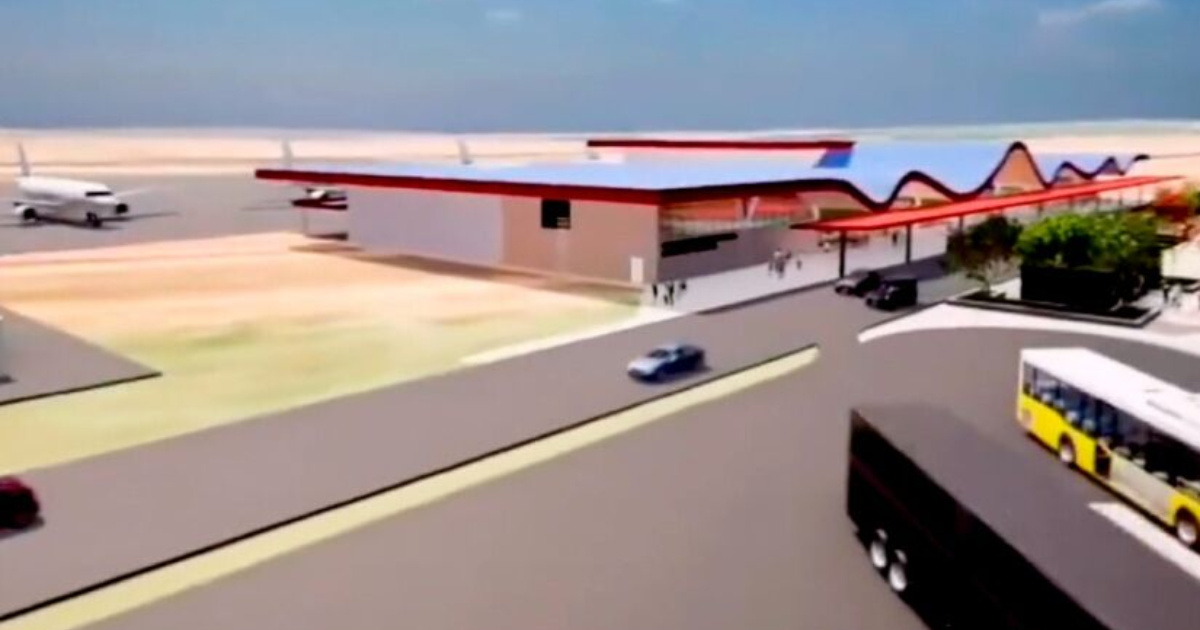
The infrastructure, financed with R$ 500 million from the PAC and with works planned for 2026, will feature a runway of 2.1 thousand meters and a project for expansion to 2.5 thousand meters, which will allow domestic and international operations.
The terminal will be named International Airport of the Metropolitan Region of São José do Rio Preto.
-
Brazilian Joins Homeownership Consortium, Faces Decade of Dual Payments Totaling $141,000, Surpassing Traditional Mortgage

-
Land Rover to Halt Production in July, Putting 371 Jobs at Risk, as Chinese Automaker Negotiates to Convert Factory to 100,000 Vehicles Annually by 2027

-
Mexican Pest Threatens U.S. Cattle Herds at Historic Lows, Potentially Boosting Brazilian Beef Exports as Burger Prices Soar

-
Brazilian Freight Bill Progresses in Congress with $5,000 Minimum Wage, 70% Advance Payment, and Fines Up to $1 Million, as Agriculture and Industry Warn of Rising Costs and Legal Uncertainty


Name Approved by Metropolitan Collegiate
The decision was made in a meeting of the Metropolitan Region Council held at the Technology Park of São José do Rio Preto on August 18, 2025.
The collegiate, which includes 37 municipalities, is chaired by the mayor of Rio Preto, Colonel Fábio Candido (PL).
The mayor of Olímpia, Geninho Zuliani (União Brasil), holds the vice-presidency.
According to records from the RM itself, the session included municipal managers and representatives from the state government.
What the Coordinators Said
At the meeting, Geninho Zuliani stated that, although located in Olímpia, the terminal will have a regional character.
“It is an infrastructure that will attract events, investments, and markets, projecting the Rio Preto–Olímpia axis as a new development hub for Brazil,” he said.
The state undersecretary for Urban Development, José Pólice Neto, also emphasized the strategic reach of the project by declaring that “the region consolidates its identity and positions itself as a national protagonist in connectivity, tourism, and innovation.”
The statements occurred during the RM Council meeting at the Technology Park, where the naming was deliberated.
Project, Runway, and Planned Operations
The project provides for an initial runway of 2.1 thousand meters by 45 meters wide, with the possibility of extension to 2.5 thousand meters.
The operational design includes a yard of about 200 meters, allowing simultaneous movement of large aircraft and profile for international and cargo flights.
The initial capacity estimate is 1 million passengers per year, with gradual expansions depending on demand.
According to public information, Infraero has been tasked with implementing, managing, and operating the enterprise.
The land is approximately 20 kilometers from the urban center and has already been acquired by the City Hall of Olímpia, a step considered essential to unlock licenses and complementary studies.
Timeline and Financing
The timeline under discussion indicates beginning of works in 2026, with estimated resources of R$ 500 million linked to the Growth Acceleration Program (PAC).
The financial modeling covers the first phase of construction, including runway, yard, terminal, and access.
The execution will follow the technical and environmental studies conducted by the federal state and local authorities, which guide sizing, priorities, and expansion phases.
Tribute to Benito Benatti in Progress
Alongside the selection of the metropolitan reference name, the House of Representatives is processing PL 1.495/2024, which proposes to honor businessman Benito Benatti in the naming of the airport.
The text has advanced in the Committee on Transportation and Communications and continues its processing in the following instances.
The initiative, authored by deputy Fernando Marangoni (União Brasil/SP), has received local support and may, in the future, be incorporated into the official nomenclature of the facility, according to legislative decision.
Strategic Relevance for the Interior of São Paulo
The Ministry of Ports and Airports classifies the airport in Olímpia as a strategic project for regional development.
In recent statements, Minister Silvio Costa Filho asserted that the construction is a “decision of President Lula”, aligned with the policy of enhancing connectivity and serving tourist and productive hubs in the interior.
The federal government’s assessment adds to the regional movement to consolidate the Rio Preto–Olímpia axis as a hub for tourism, events, and logistics.
Regional Context and Next Steps
Known as the “Brazilian Orlando” due to the strength of its water parks and family tourism, Olímpia sees the new terminal as a vector to diversify the economy and reduce dependence on road transport.
By centralizing the name Metropolitan Region of São José do Rio Preto in the airport’s title, the Council signals the service area’s reach — from Rio Preto and its surroundings to bordering areas of Minas Gerais and Mato Grosso do Sul, with the potential to attract freight and new investments.
The start of construction will depend on the completion of studies and licensing, the release of budgetary funds, and the hiring of services under the coordination of Infraero.
As the technical stages progress, the debate on the complementary naming tribute to Benito Benatti continues in Congress.
Meanwhile, the operational design with a runway expandable to 2.5 km remains a premise to enable longer routes and larger aircraft, connecting tourism, business, and logistics in the macro-region.
In light of this scenario, how do you evaluate the impact of the new airport on the competitiveness of the interior of São Paulo and the experience of those visiting the “Brazilian Orlando”?





-

-

-

-

-

-

111 people reacted to this.