






 Portuguese
  Spanish


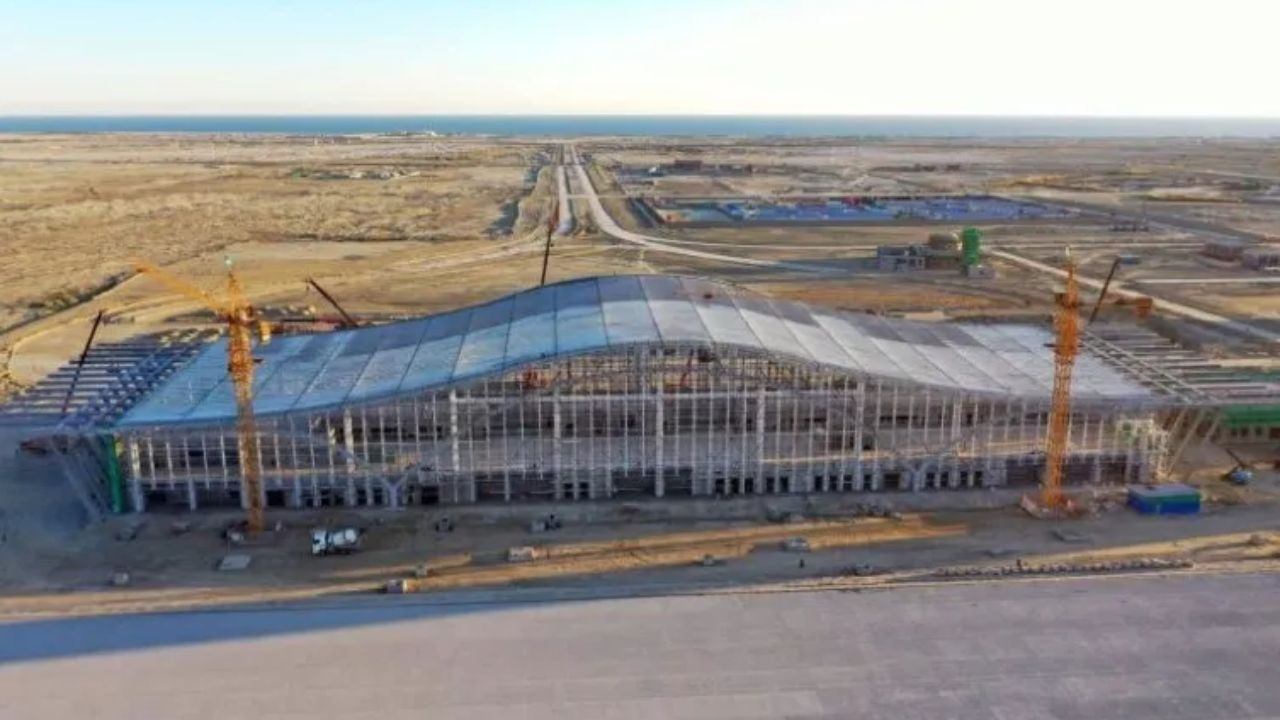


With a Capacity for 400,000 Passengers and Ready for Jumbo Jets, the New Gwadar International Airport Cost US$ 240 Million but Remains Completely Empty Since Its Completion in 2024 – No Flights, No Employees, and No Signs of Life.
The New Gwadar International Airport was designed to be a landmark in Pakistan’s infrastructure. Built with Chinese financing, the airport was supposed to boost the economy of the port city of Gwadar and integrate the region into global trade. With an investment of US$ 240 million, the facility was planned to accommodate 400,000 passengers annually and receive large aircraft such as the Airbus A380 and Boeing 747.
However, since its completion in 2024, the airport has never opened its doors. No flights have taken place, no tickets have been sold, and the gigantic modern structure has turned into an abandoned white elephant in the middle of nowhere.
Why Has No Plane Taken Off From This International Airport?
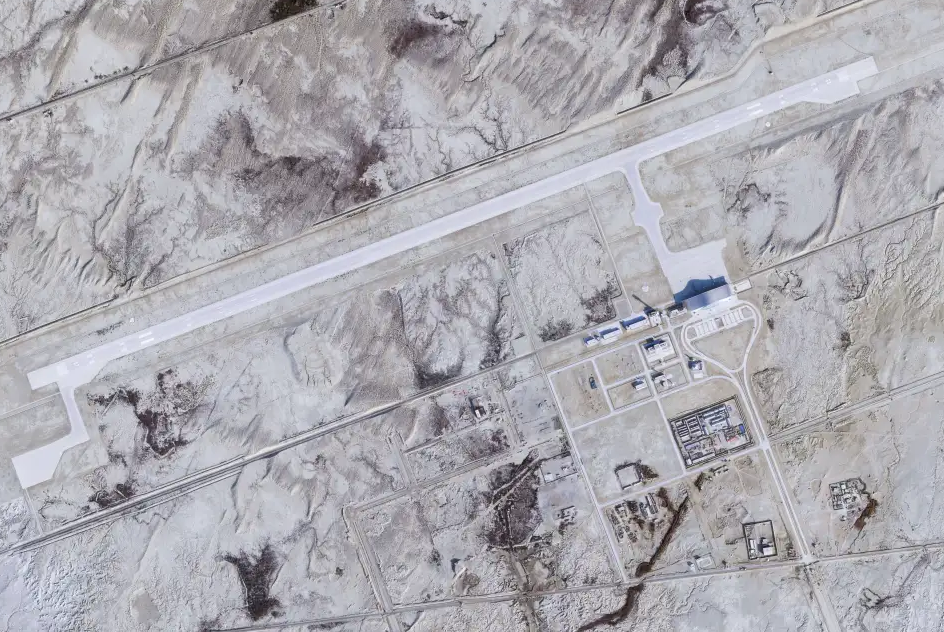
Despite the state-of-the-art structure, the airport has never been officially inaugurated. The main justification is security concerns in the region, as nearby mountains could be used as a base for attacks.
-
U.S. City Builds Tiny Home Village on Water Company Land to House 136 Homeless People: Inside the Social Housing Units

-
Woman Turns Shipping Container into Home, Embraces Rural Life to Cut Monthly Expenses to Just Over $330
-
France Revamps 530 Social Housing Units with Large Balconies and Glass Facades Without Demolishing Existing Buildings

-
Facing high rent, couple transforms parents’ garage into a fully functional apartment, creating a complete home at a fraction of the market cost.




In light of this uncertainty, the inaugural flight was canceled, and the opening took place only virtually, with a remote ceremony conducted by Pakistani Prime Minister Shehbaz Sharif and Chinese Premier Li Qiang. No press representatives or local citizens had access to the event.
The images of the airport are stunning: empty departure lounges, runways without aircraft, and a total absence of passengers or staff. The scene contrasts with the grandeur of the project and raises questions about the true purpose of this construction.
The Impact on the Local Population and the Reality of Balochistan
While billions have been invested in the airport, the city of Gwadar, located in the impoverished province of Balochistan, continues to face basic infrastructure and development challenges. For the approximately 90,000 inhabitants of the city, building an international airport was never a priority.
No resident from the region has found employment at the new facility. According to Abdul Ghafoor Hoth, district president of the Balochistan Awami Party, not even local guards were hired. He criticized the project, stating that the airport was not built for Pakistanis, but rather to serve China’s interests.
China’s True Interest in the Project
The construction of the airport is part of the China-Pakistan Economic Corridor (CPEC), a massive infrastructure plan funded by the Chinese government to connect the Xinjiang province to the Arabian Sea.
Experts point out that China’s investment in the region may be more related to geopolitical and military interests than to local development. Professor Azeem Khalid, an expert in international relations, stated that the airport was not built for Pakistan or Gwadar, but rather to ensure safe access for the Chinese in the region.









Interessante que no título da matéria diz 240 milhões de dólares mas depois mais para o final diz que foram bilhões investidos mas não especifica.
Isso me faz lembrar de um aeroporto que o Brasil financiou a construção na época do PT (novidade) um aeroporto gigantesco que nunca foi utilizado mas foi feito com o nosso dinheiro em outro país.
Será que nesses bilhões tem dinheiro nosso também?