Portuguese
  Spanish


Inaugurated in November 2025, the Cherry Avenue village was established on land from Valley Water, the region’s public water company, and cost US$ 18.3 million. The micro-home village offers individual units and social support to take more than 130 people off the streets in one of the wealthiest regions of the United States.
In the heart of Silicon Valley, where the headquarters of the world’s largest technology companies are located, thousands of people sleep on the streets. It was in this stark contrast that the city of San José, California, inaugurated in November 2025 a micro-home village to accommodate the homeless. The most curious detail of the project is underfoot: the land was provided by the water company that supplies the entire region. The information was disclosed by the San José Spotlight.
Named Cherry Avenue, the village is a concrete example of how public power, utility agencies, and private donors can come together to tackle the homelessness crisis. It is neither a collective shelter nor an improvised tent. It is a social housing designed with individual units, baths, laundry, meals, and professional support, all to restore dignity to the homeless population and pave a way back to a permanent home.
An entire village built on water company land
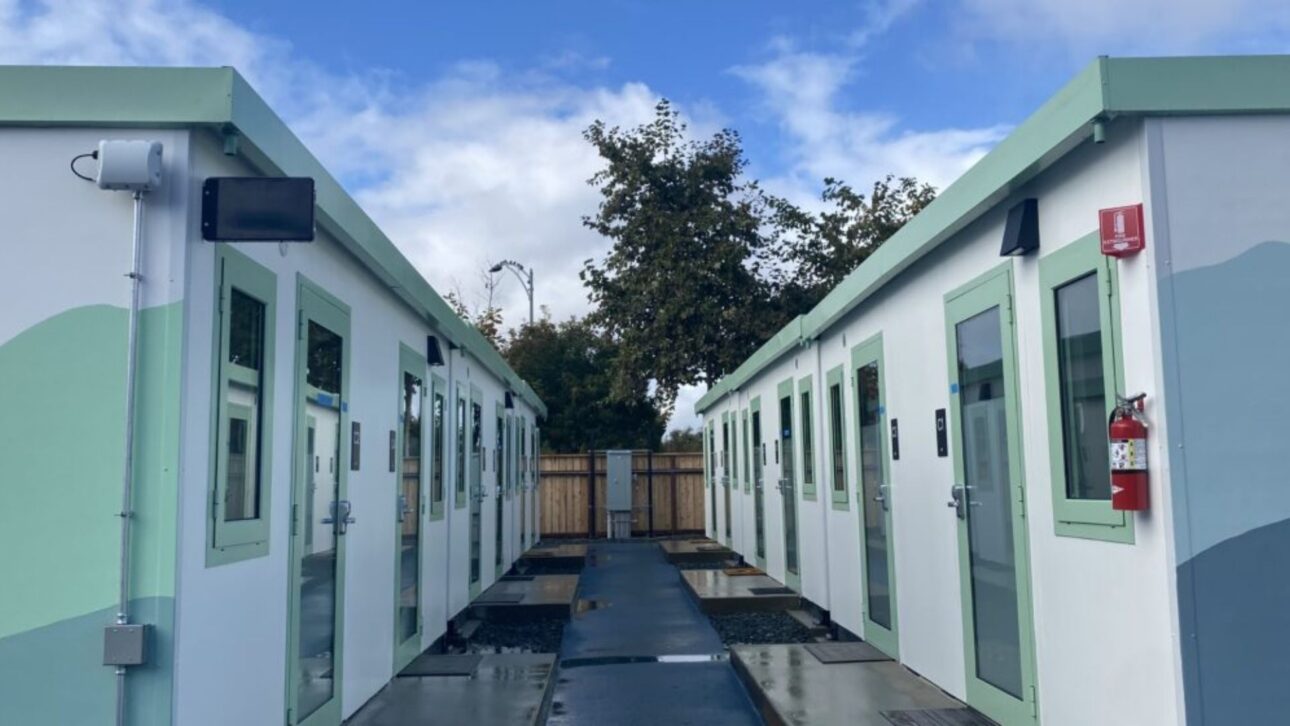
The point that sets Cherry Avenue apart from other initiatives is the origin of the land. The area belongs to Valley Water, the popular name for the Santa Clara Valley Water District, the water company responsible for supplying Silicon Valley. Instead of leaving the lot idle, the agency leased it to the city to build the micro-home village, under a lease that runs until December 31, 2035, with an option to extend for another five years.
-
Woman Turns Shipping Container into Home, Embraces Rural Life to Cut Monthly Expenses to Just Over $330

-
France Revamps 530 Social Housing Units with Large Balconies and Glass Facades Without Demolishing Existing Buildings

-
Facing high rent, couple transforms parents’ garage into a fully functional apartment, creating a complete home at a fraction of the market cost.
-
MIT Scientists Develop Method to Transform CO₂ into a Construction Ally, Boosting Cement Strength by 13% in 24 Hours for More Sustainable Infrastructure



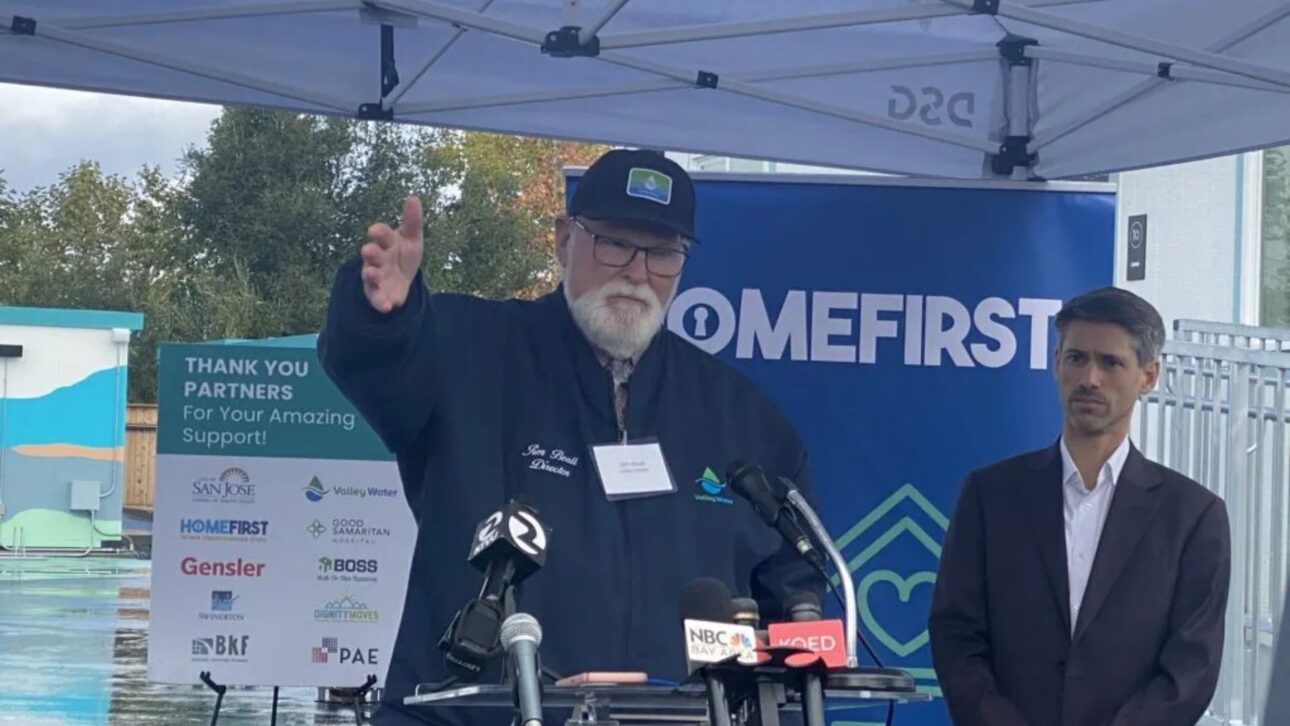
For those involved, this partnership between different branches of public power is the big message of the story. “I urge all public institutions to consider this dynamic relationship between governments,” said Jim Beall, director of Valley Water, during the inauguration. The statement sums up the project’s logic: each agency contributed what it had, and the unused land of the water company became an address for those who had none.
The model matters because land is the most expensive and scarcest item when it comes to housing, especially in one of the most valued regions on the planet. By offering the space, the water company broke down precisely the barrier that usually hinders this type of project. Without the cost of the land, the available money went much further in providing structure for the homeless population.
136 microhouses for the homeless population
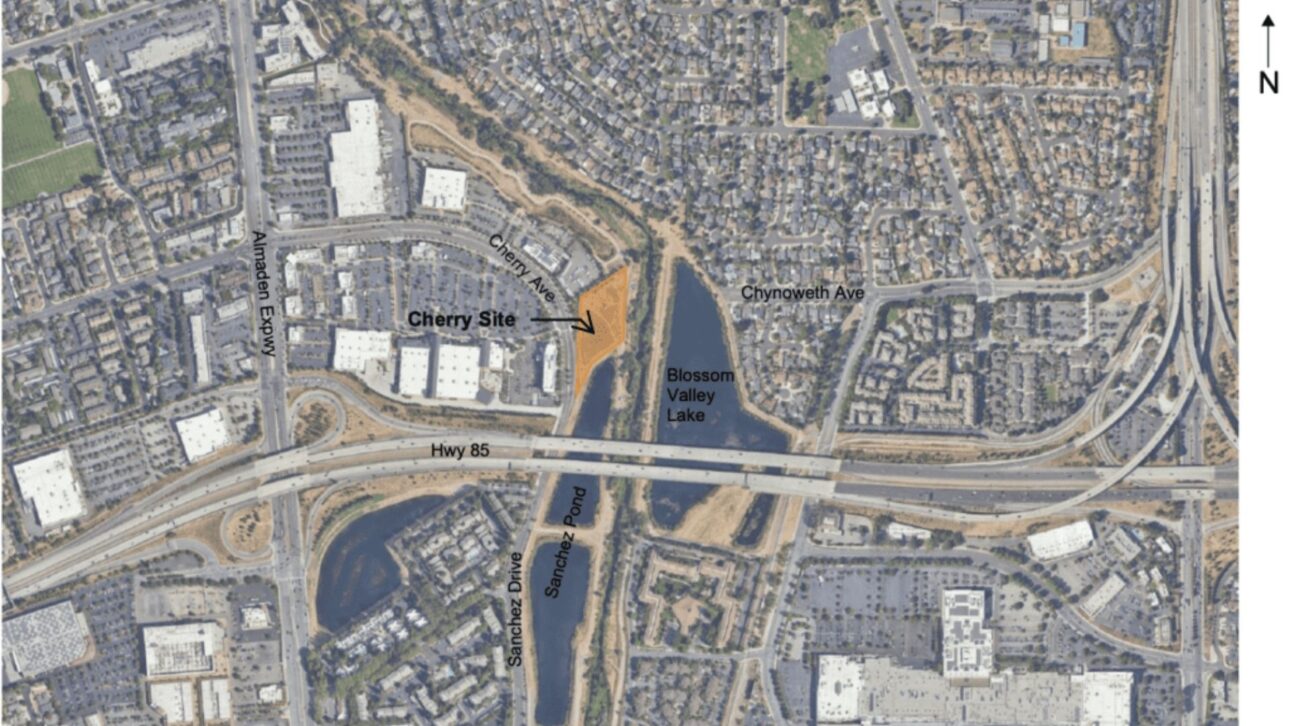
The village was built next to a former homeless encampment on the banks of the Guadalupe River, which was deactivated. The scale is considerable. Cherry Avenue has 136 microhouses, according to the city hall and local press, although DignityMoves, the organization that designed and built the site, reports 132 units in its own channels. The small discrepancy in the number does not change the magnitude of the achievement: more than 130 individual units delivered at once.
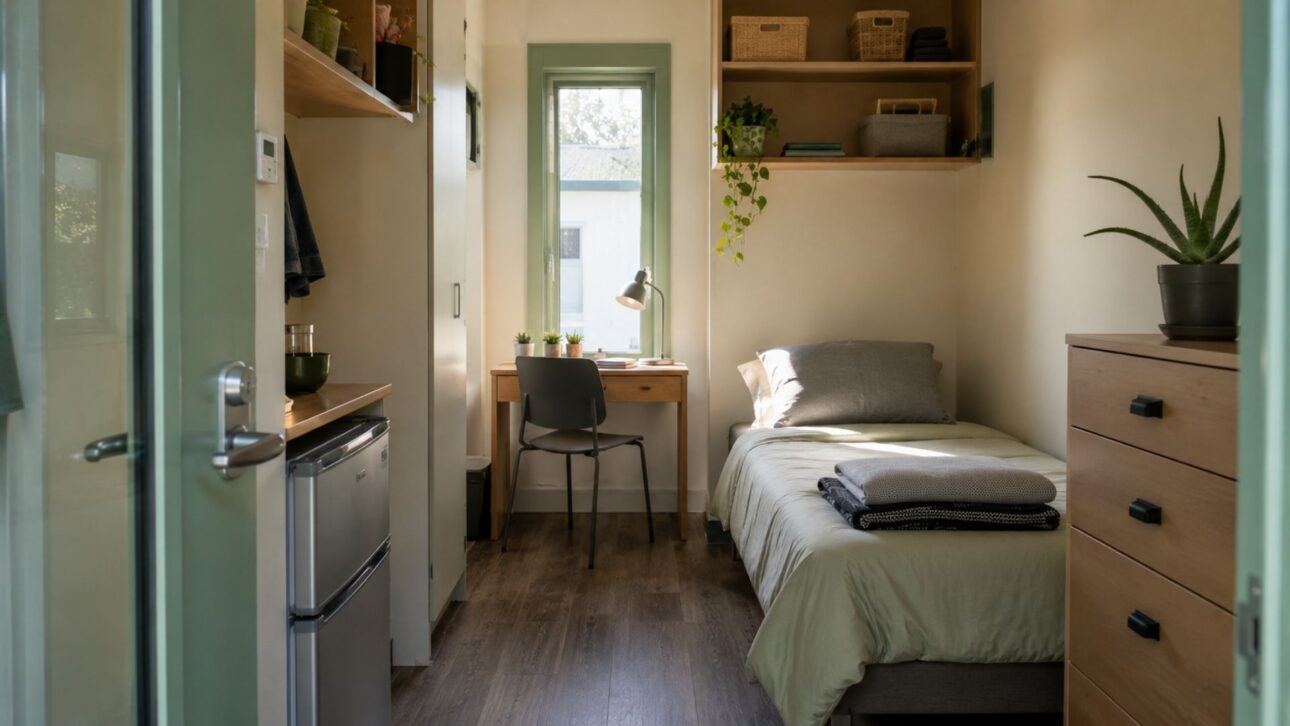
Each module is designed for a person or a couple to leave the street with minimal privacy and security. Unlike a shelter with beds lined up in a warehouse, the microhouse village gives each resident a lockable door, a space of their own to rest and store belongings. For those who have been sleeping in tents, cars, or on the sidewalk, this simple key in hand represents a huge turning point.
The choice of a village format, with separate small houses, is not aesthetic. Previous studies and experiences show that privacy and stability help the homeless population to reorganize, take care of their health, and seek work. That’s why this type of social housing is gaining strength in several American cities as an intermediate step towards permanent housing.
See what’s inside each module
Here’s what makes a difference in the daily life of those who arrive. Each unit is individual, with a lock, bed, and space to store personal belongings, functioning as a small transitional home. The complex also offers a central laundry, meals served on-site, a community room for activities and socializing, security, and an outdoor picnic area.
Regarding the bathrooms, an honest observation is necessary, as sources differ. The local press describes private bathrooms inside each unit, while DignityMoves, responsible for the construction, lists shared bathrooms and showers in separate buildings. Whatever the final arrangement, the goal is the same: to ensure hygiene and dignity, basic items that are completely lacking for those living on the street.
The heart of the project, however, is not in the concrete, but in the support. All social housing comes with professional support so that the stay is not an end, but a springboard. It is this service structure that separates a successful microhouse village from a simple people warehouse.
How much it cost and who paid the bill
The entire project cost $18.3 million, according to the San José Spotlight. The funding was a patchwork that shows how this type of project is made viable. About $9 million came from state funds, approximately $7 million from Measure E, a municipal real estate transfer tax, and more than $2.5 million from philanthropic donations from companies and residents of the region.
The execution was divided between two organizations. DignityMoves, which designs and builds this type of community, received up to $15 million to carry out the project. The day-to-day operation is handled by HomeFirst, a nonprofit organization that offers social support, with case management, mental health support, professional qualification, and help to find permanent housing. For operations between October 2025 and June 2026, $3.3 million was reserved.
This financial arrangement is proof that the microhouse village is not makeshift charity, but rather structured public policy. Every real has a defined origin and destination, and the declared focus is clear: to remove the homeless population from the street cycle and return these people to a real roof. The social housing, in this design, functions as a bridge, not as an endpoint.
Why this happens in Silicon Valley
It may sound contradictory that one of the richest regions in the world needs a village for the homeless, but that’s exactly where the problem lies. Silicon Valley concentrates billionaire fortunes and, at the same time, a cost of living so high that it pushes thousands of people out of the housing market. When rent skyrockets, those on the most fragile end end up on the street, and the city needs to catch up with the damage.
San José has been investing heavily in this response. Cherry Avenue is another address in a network of temporary housing that the city has been setting up at a rapid pace, being one of several such sites opened there in a short time. The municipality’s bet is that moving from the street to a dignified social housing, even if temporary, is cheaper and more humane than letting the crisis worsen on the sidewalks of Silicon Valley.
It is worth separating this project from another, larger, state-level one. California is also running a program to distribute about 1,200 microhouses in various cities, announced by the state government. The Cherry Avenue village is not part of this package: it is a local initiative of San José combined with the land grant by the water company, with its own financing. These are parallel efforts against the same drama of the homeless population in Silicon Valley.
The model that Brazil is also testing
Those who follow the topic in Brazil will recognize the idea. São Paulo maintains the Vila Reencontro network, with temporary housing modules and social support for people in street situations, in the same logic of providing privacy and support before the permanent home. The name changes, the country changes, but the principle of transitional social housing is the same on both sides of the continent.
The difference that stands out in San José is the novelty of the partner. Seeing a water company enter the housing equation, providing land for a microhouse village, is the kind of creative solution that exposes a simple truth. Combating the homeless crisis does not depend solely on budget; it depends on who is willing to put what they have on the table, be it money, management, or an unused plot of land.
In the end, Cherry Avenue proves that getting people off the street is possible when there is will and cooperation. One hundred and thirty-six doors that lock, in a Silicon Valley of contrasts, have become a chance to start over for those who had already lost almost everything.
And you, what do you think of this solution?
The village of San José shows that transitional social housing, with individual units and professional support, can be a real path to getting the homeless population off the streets. And the gesture of the water company, providing the land, proves that less resource and more coordination is needed than we imagine.
And you, do you think Brazilian cities should use idle public lands, such as those of state-owned companies and water companies, to build a village of micro-houses like this? Share in the comments if this model would work in your city.