






 Portuguese
  Spanish


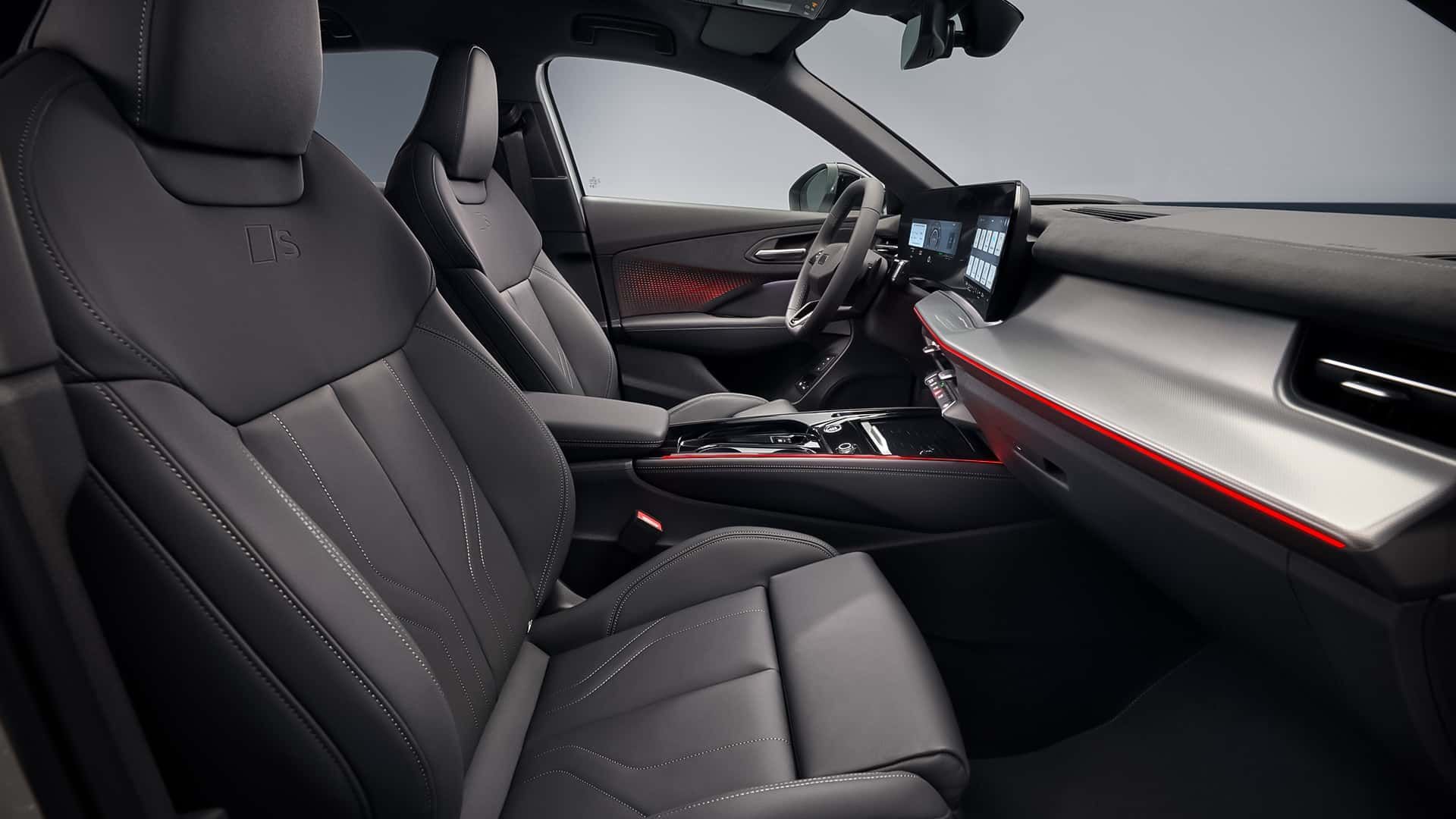


Sporty Version Of SUV Arrives In European Market In November, With Plug-In Hybrid Options, New Lighting Features And Updated Design, As Well As Changes In Interior And More Advanced Technology Package.
The New Generation Audi Q3 Sportback Has Been Unveiled In Europe With A Focus On Electrification And Lighting Technology.
The Plug-In Hybrid Version Delivers 272 hp Combined And Promises To Drive Up To 118 Km In Electric Mode, According To The WLTP Cycle.
The Commercial Debut On The Continent Is Set For November, With Prices In Germany Starting From 46,450 Euros For The Entry-Level Gasoline Version And 51,150 Euros For The E-Hybrid.
-
2027 Toyota Corolla Cross Unveiled: New Design, Enhanced Fuel Efficiency, Reduced Maintenance Costs, Advanced Technology, Connected Services, and Up to 10-Year Warranty

-
Fiat Cronos Precision 2018: Affordable Sedan with Spacious Trunk and Reliable Maintenance
-
Volkswagen to Cut Production by 1 Million Cars by 2030, Reducing Jobs and Platforms, Focusing on More Profitable Models

-
Toyota Launches First 100% Electric Car in Brazil: bZ4X with 343 HP, All-Wheel Drive, 361 km Range, Priced at $419,990 BRL, Limited to 99 Units




Production Of Both Q3 Body Styles Will Take Place At The Győr Factory In Hungary.
Launch In Europe And Prices In Detail
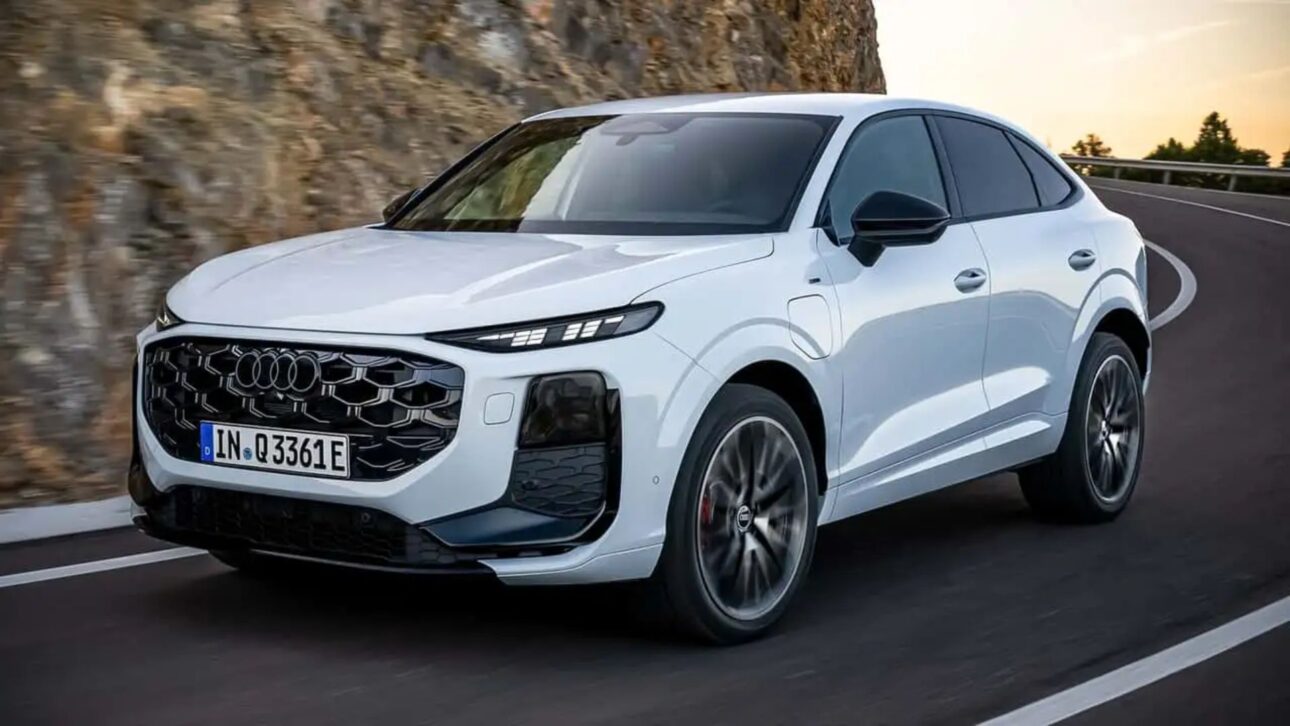
Sales Begin With The Q3 Sportback TFSI Of 110 kW (150 hp) Positioned As The Entry-Level Option.
Subsequently, The Plug-In Hybrid Variant E-Hybrid Caters To Those Seeking To Drive Daily With Zero Local Emissions And Recharge At A Plug.
The Prices Mentioned Refer To The German Market, Where Prices Usually Serve As A Reference For The Region.
Both Body Styles—Q3 SUV And Q3 Sportback—Will Be Assembled On The Same Hungarian Line.
Although The Title Hints At The Possibility Of Coming To Brazil, The Brand Has Yet To Confirm Timelines Or Specifications For The National Market.
The Current Generation Of The Q3 Remains As Audi’s Offer In The Country, While The New Family Begins Its Commercial Phase In Europe.
SUV Coupe Design And Aerodynamics
Audi Describes The Q3 Sportback As A Combination Of Practical SUV Attributes—Easy Access, Good Visibility, And Space Utilization—with The Sloping Silhouette Typical Of A Coupe.
The Roofline, Descending From The A-Pillar, Is 29 Mm Lower Than The “Conventional” Q3, Which Enhances The Sporty Stance And Highlights The So-Called “Quattro Bubbles” Over The Wheel Arches.
The Body Has Been Specifically Attended To The Efficiency Of Airflow. The Declared Aerodynamic Coefficient Is 0.30, A Figure That Contributes To Reduced Consumption And Noise During Road Trips.
To Improve Acoustic Comfort, There Is An Option For Acoustic Glass In The Front Side Windows, Combined With PVB-A Film, An Innovative Solution In The European Compact Segment According To The Manufacturer.
Headlights With Micro LED And OLED Taillights
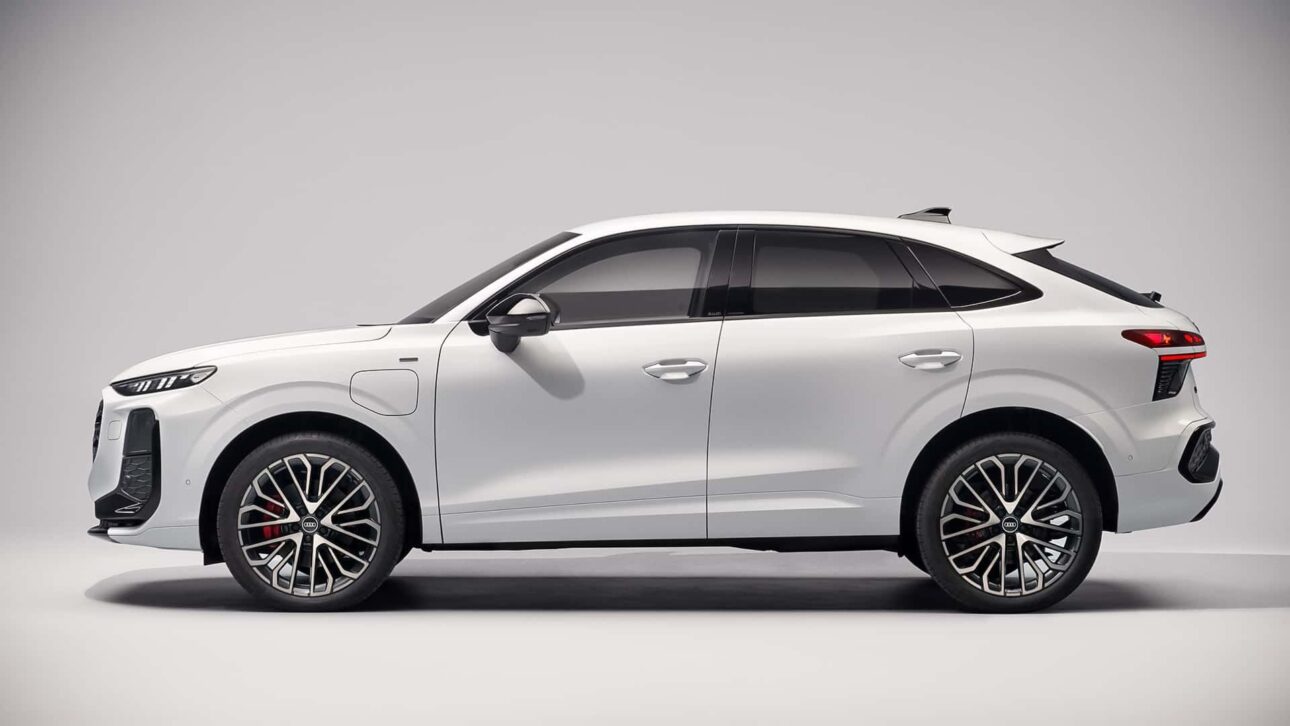
The Front Assembly Adopts LED Headlights With Digital Matrix Technology Featuring Micro LED Modules, A Technology That Expands The Illuminated Area And Allows Adaptive Functions Such As Intelligent Beam Distribution.
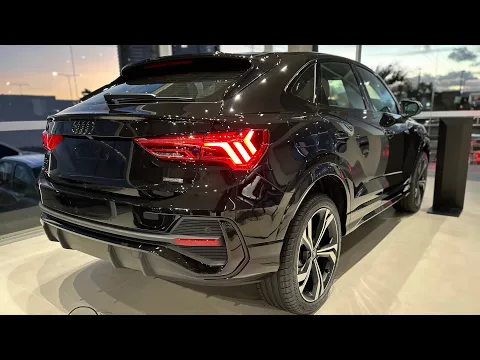
At The Rear, The Digital OLED Taillights With Continuous LED Bar Can Be Added As An Option, Reinforcing The Model’s Lighting Signature.
The S Line Package Differentiates Bumpers And Adds External Silver Components. Wheel Sizes Range From 17 To 20 Inches, With Tires Between 215 And 235 Mm In Width.
For Those Seeking Visual And Aerodynamic Efficiency, The Brand Will Offer “Aero” Wheels. The Audi Sport Options Aim For A More Sporty Character.
Redesigned Interior And Utilized Space
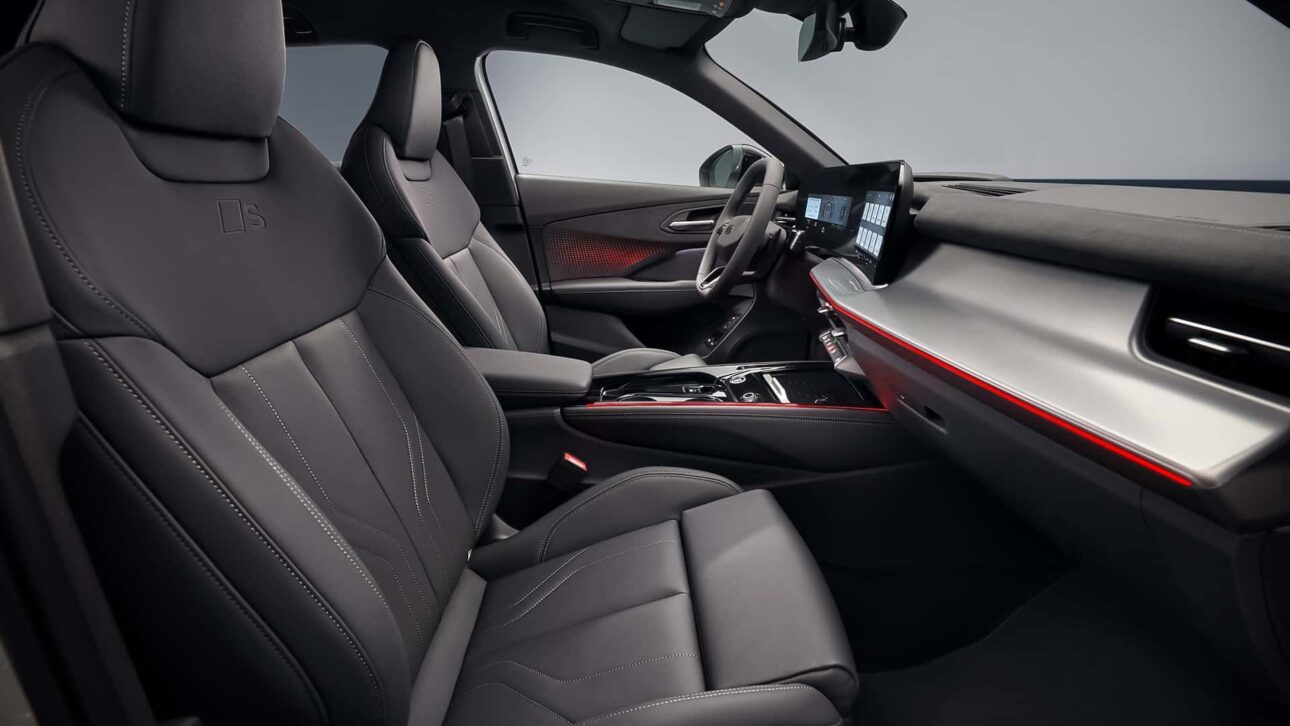
The Cabin Has Been Redesigned With A Focus On Ergonomics.
The New Control Unit On The Steering Wheel Integrates Two Levers On The Steering Column: One Dedicated To Gear Selection And The Other To Lights And Windshield Wipers.
This Solution Is Different From The Segment Standard And Rearranges Traditional Functions To Keep The Center Console Cleaner.
The Q3 Sportback’s Trunk Offers 488 Liters And Can Reach 1,289 Liters With The Rear Seat Backs Folded.
In Relation To The Q3 SUV, The Capacity Is About 100 Liters Smaller Due To The Roof Curvature And The More Reduced Rear Volume.
The Maximum Towing Capacity Stated Is 2,100 Kg, A Figure Aligned With The Model’s Family And Leisure Profile.
Engines: Gasoline, Diesel And Plug-In Hybrid

The Range Begins With The 1.5 TFSI Of 150 Hp, Available With Mild Hybrid Assistance For Efficiency Gains In Urban Areas.
In The Diesel Segment, The 2.0 TDI Of 150 Hp Appears As The Only Offering, At Least At This Initial Moment.
For Those Seeking More Performance Associated With All-Wheel Drive, There Are Two Gasoline Options Positioned Above, With 204 Hp And 265 Hp, Both With Four-Wheel Drive.
The Highlight Goes To The Q3 Sportback E-Hybrid, A Plug-In Hybrid With 272 Hp Combined.
The System Uses A High-Voltage Battery With A Gross Capacity Of 25.7 KWh (19.7 KWh Net), Enough To Deliver The 118 Km Of Electric Range In The WLTP Cycle.
The Proposal Caters To Daily Commuting With Scheduled Recharges, Preserving The Combustion Engine For Longer Routes.
Suspension And Driving Assistants
The Suspension Has Been Revised And Can Receive Two Optional Adjustments.
One Prioritizes A Firmer Ride, While The Other Adds Dampers With Two Valves, Regulating The Response To Balance Comfort And Stability.
In The Field Of Assistance Systems, The Q3 Sportback Incorporates The Adaptive Lane Assist Plus (AFA), Which Combines Cruise Control And Lane Keeping In Defined Scenarios.
There Is Also An Internal Camera Aimed At Monitoring The Driver, Intended To Enhance Active Safety.
Construction And Technology Package
The Integration Between A Wide Grille, Headlights And Aerodynamic Elements Defines The New Visual Identity Of The Q3.
A Continuous Waistline Connects The Headlights And Taillights, Structuring The Lateral Volumes.
On The Inside, The Cabin Adopts Materials And Controls That Aim To Reduce Noise And Vibrations, A Solution Reinforced By The Available Acoustic Front Glass As An Option.
In Addition To The Advanced Lighting Package, Audi Prepares A List Of Wheels And Finishes For Customization.
In The S Line, The Redesigned Bumpers And Silver Accents Enhance The Sporty Proposal. In The Regular Versions, The Design Prioritizes A Balance Between Efficiency And Sophistication.
Perspective For Brazil
While The European Schedule Is Set For November, The Strategy For The Brazilian Market Has Not Been Officially Disclosed Yet.
Industry Sources Indicate 2026 As The Likely Window For The Arrival Of The New Generation Of The Q3 Here, However, The Brand Has Not Confirmed Dates, Versions, Or Possible Localization Plans.
With The Current Generation Of The SUV Still In Line In The Country, The Definition Regarding Offer And Local Production Remains Under Evaluation By The Manufacturer.








