






 Portuguese
  Spanish
  5 min of reading
  0 comments


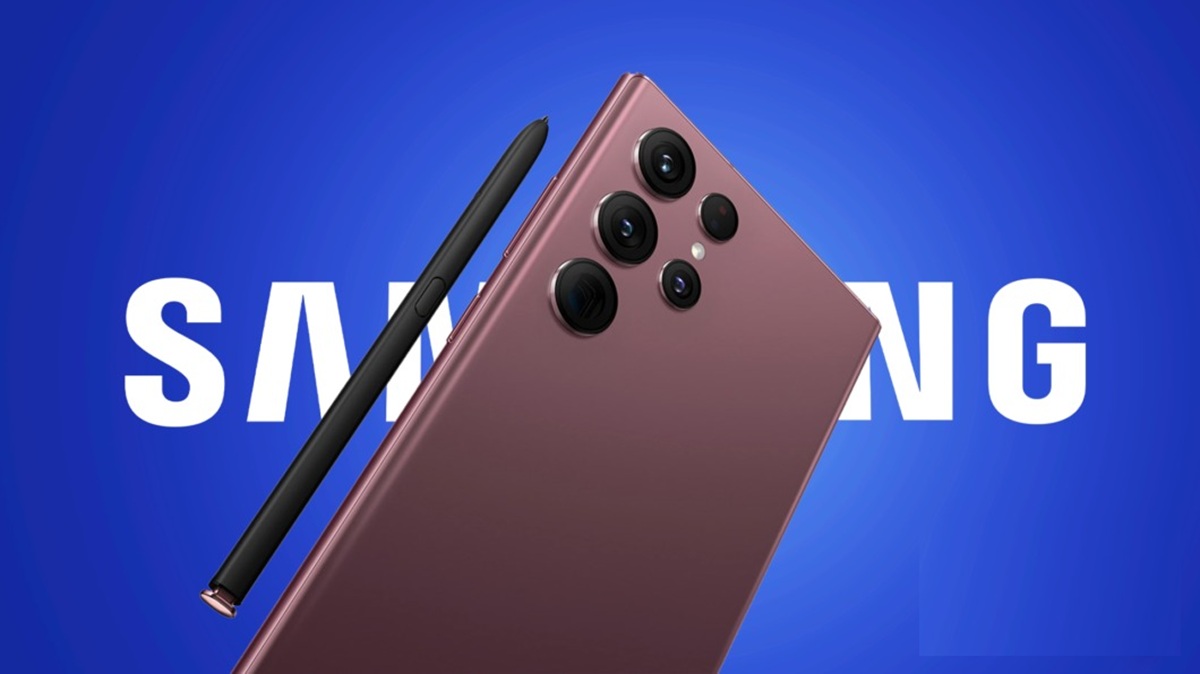
Leaks Released Until February 3 Indicate That the Samsung Galaxy S26 Ultra Should Maintain a 5,000 mAh Battery, Not Adopt Silicon-Carbon Technology, Show Uncertainties About Native Qi2 Wireless Charging, and Arrive on February 25 With Limited Changes in Design and Core Specifications
The Samsung Galaxy S26 Ultra had new leaks released on February 3, indicating that it will maintain a 5,000 mAh battery, show uncertainties about native Qi2 wireless charging, possible price adjustments in the Galaxy S26 line, and confirmation of cameras, dimensions, and design, with a launch expected on February 25.
Initial Leaks Indicate Maintenance of Battery and Adjustments in the Galaxy S26 Line
The first leaks about the Galaxy S26 line point to price changes, with an almost certain increase for the series and an unexpected decrease in the price of the Samsung Galaxy S26 Ultra.
Despite this, the main model will maintain a battery of what is considered a standard size.
-
Helicopter Drops 180 Tons of Sand and Gravel on Swedish River to Revive Ecosystem Damaged by Decades of Exploitation

-
Brazilian Company Launches Retro Smartphone with 48 MP Camera, T9 Keyboard, and Privacy Features for Social Media-Free Use

-
Self-Taught Chinese Farmer Builds 5-Ton Submarine from Scrap, Launches It in Anhui River
-
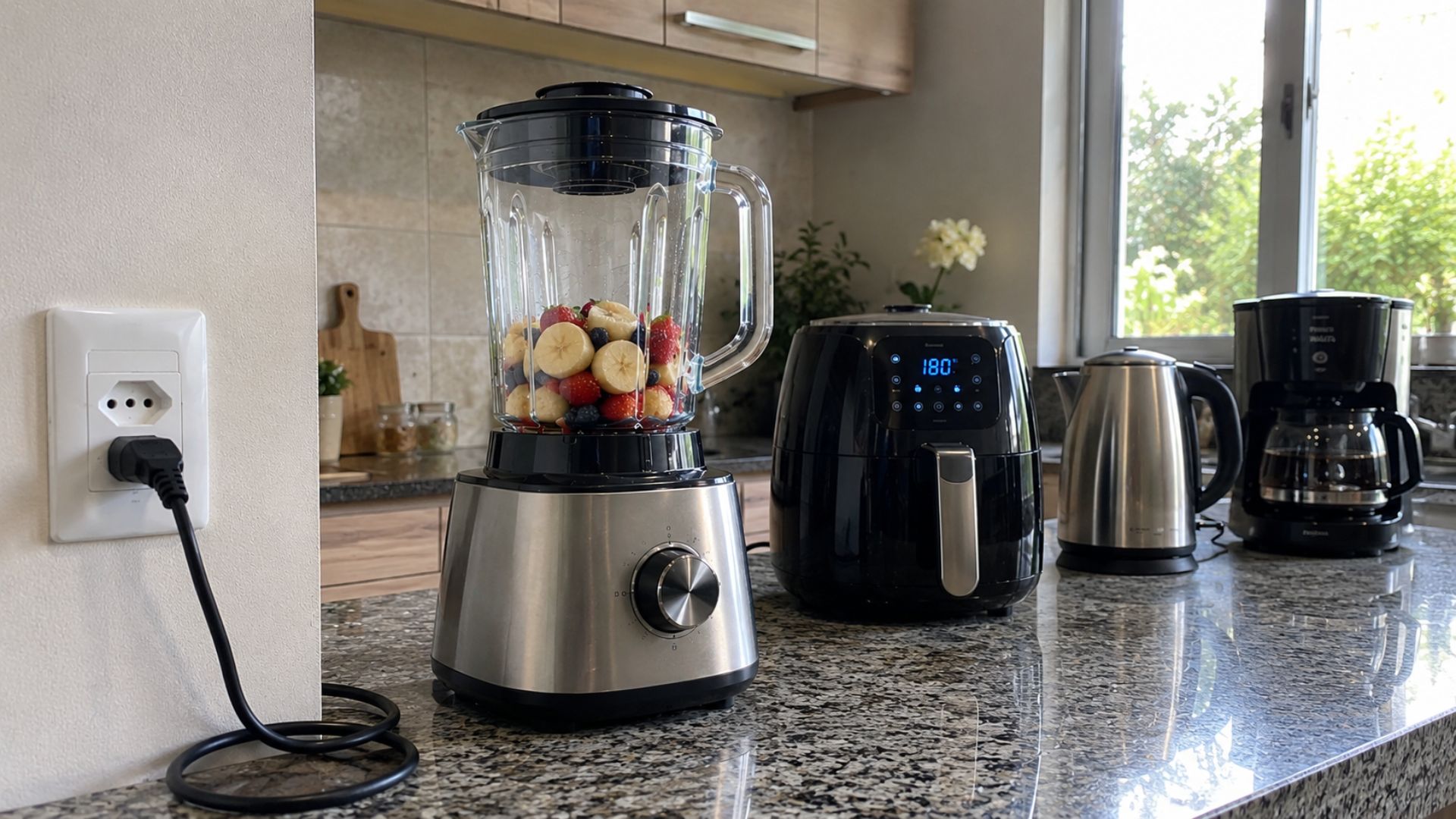
Invisible Induction Technology Enables Wireless Power for Blenders, Coffee Makers, and Air Fryers, Reducing Countertop Cables



According to information published by Android Headlines, Samsung will keep the 5,000 mAh battery in the Samsung Galaxy S26 Ultra. The number represents the same capacity used in the predecessor, with no announced increase in autonomy.
This decision frustrated expectations created by advancements of competitors in the Android market.
In 2025, several brands adopted silicon-carbon batteries, significantly extending battery life in some devices.
Silicon-Carbon Battery Technology Is Left Out of the Samsung Galaxy S26 Ultra
Silicon-carbon battery technology has been adopted by manufacturers like Honor and Xiaomi. This change allowed for greater energy density and faster charging, resulting in extended autonomy compared to conventional batteries.
Traditional lithium-ion batteries use graphite as an anode material. This method has been widely employed for decades due to safety, predictability, and reliability in consumer electronics.
In silicon-carbon anodes, the addition of silicon to carbon increases the amount of lithium stored. This raises energy density, but introduces technical challenges related to the swelling of the material during charging.
Among the disadvantages are greater wear over time and reduced battery life. To mitigate these effects, manufacturers limit the silicon ratio and employ engineering solutions to preserve durability.
These limitations help explain Samsung’s decision not to adopt the technology in the Samsung Galaxy S26 Ultra. The risk of large-scale physical failures would have a significant impact on a brand with a solid global presence.
Update on February 3 Raises New Questions About Qi2 Wireless Charging
One of the most anticipated updates in the Galaxy S26 series was the inclusion of native Qi2 wireless charging. However, a new leak has raised doubts about the full adoption of the standard in the flagship models.
Images released by Nieuwemobiel show that Samsung plans to launch official cases with and without Qi2 magnetic rings.
If the magnetic alignment were integrated into the device, cases without magnets would compromise the attachment of accessories.
This detail suggests that the devices may support the charging speed of the Qi2 standard, but without magnetic alignment incorporated into the hardware of the Galaxy S26 series.
This strategy would indicate that Samsung chose to transfer the magnets to accessories rather than integrate them into the phone. The company would not launch an accessory that negated a central functionality of the device.
Relationship Between Qi2 and S Pen Influences Design Decisions
The absence of magnets in the phone body may be related to the S Pen. For years, users have reported interference caused by strong magnets, affecting touch registration on the screen.
By positioning the magnets in the cases, Samsung could offer an alternative for users who frequently use the S Pen, avoiding conflicts between magnetic accessories and the pen.
However, the absence of native Qi2 is still not considered definitive. iPhone users use cases without magnets, although Apple does not sell cases without MagSafe support.
The fact that Samsung offers cases without magnetic alignment is interpreted as a significant signal regarding the strategy adopted for the Galaxy S26 series.
Magnetic Powerbank Raises New Questions About Compatibility
Another leaked item involves Samsung’s Wireless Magnetic Powerbank, identified as model EB-U2500. The accessory is said to have a capacity of 5,000 mAh and 15 W wireless charging.
According to rumors, the device will be launched along with the Galaxy S26 line later this month. The powerbank magnetically connects to the phone, raising doubts about the need for compatible cases.
If the Galaxy S26 does not have native magnetic alignment, the use of the powerbank would depend on a specific case. This adds complexity to the accessory ecosystem.
This strategy suggests that Samsung aims to offer magnetic compatibility through accessories without directly integrating the magnets into the main device.
Rendered Images Confirm Design and Specifications of the Samsung Galaxy S26 Ultra
In addition to information about battery and charging, rendered images of the Samsung Galaxy S26 Ultra were released by Android Headlines. The design appears very close to that of the Galaxy S25 Ultra.
The main visual changes include rounder edges and a new pill-shaped camera setup. This design had previously been seen on the Galaxy Z Fold 7.
The camera setup will feature a 200-megapixel main sensor, a 50-megapixel ultra-wide camera, a 10-megapixel telephoto lens, and a 50-megapixel periscope telephoto lens.
The specifications reinforce Samsung’s strategy continuity in the premium segment, maintaining high-resolution sensors and multiple optical zoom options.
Dimensions and Reuse of Engineering Solutions
In terms of dimensions, the Samsung Galaxy S26 Ultra will measure 163.6 x 78.1 x 7.9 mm. This value represents a reduction compared to the 8.2 mm thickness of the Galaxy S25.
This reduction suggests the reuse of engineering solutions already applied in other models. Samsung redesigned internal components to create thinner devices without reducing battery capacity.
This process involved adjustments to the motherboard, thermal management system, and camera module. The approach was used in the Galaxy S25 Edge and the Galaxy Z Fold 7.
In the Samsung Galaxy S26 Ultra, the same strategy allows for a thinner and lighter body while maintaining a battery capacity of 5,000 mAh.
Expectations for the Official Announcement on February 25
The launch of the Galaxy S26 series is scheduled for February 25. Until then, doubts remain about the final implementation of Qi2 wireless charging.
The combination of traditional battery, thinner body, and accessory solutions indicates a conservative approach compared to competitors who adopted silicon-carbon batteries.
For users awaiting significant advancements in autonomy, the leaks indicate continuity rather than a break. Samsung prioritized stability and large-scale compatibility.
Based on the available information, the Samsung Galaxy S26 Ultra arrives on the market with specific changes, design adjustments, and maintenance of core specifications, while decisions regarding wireless charging and accessories remain open until the official announcement.





-

-

-

-

-

-

32 people reacted to this.