






 Portuguese
  Spanish


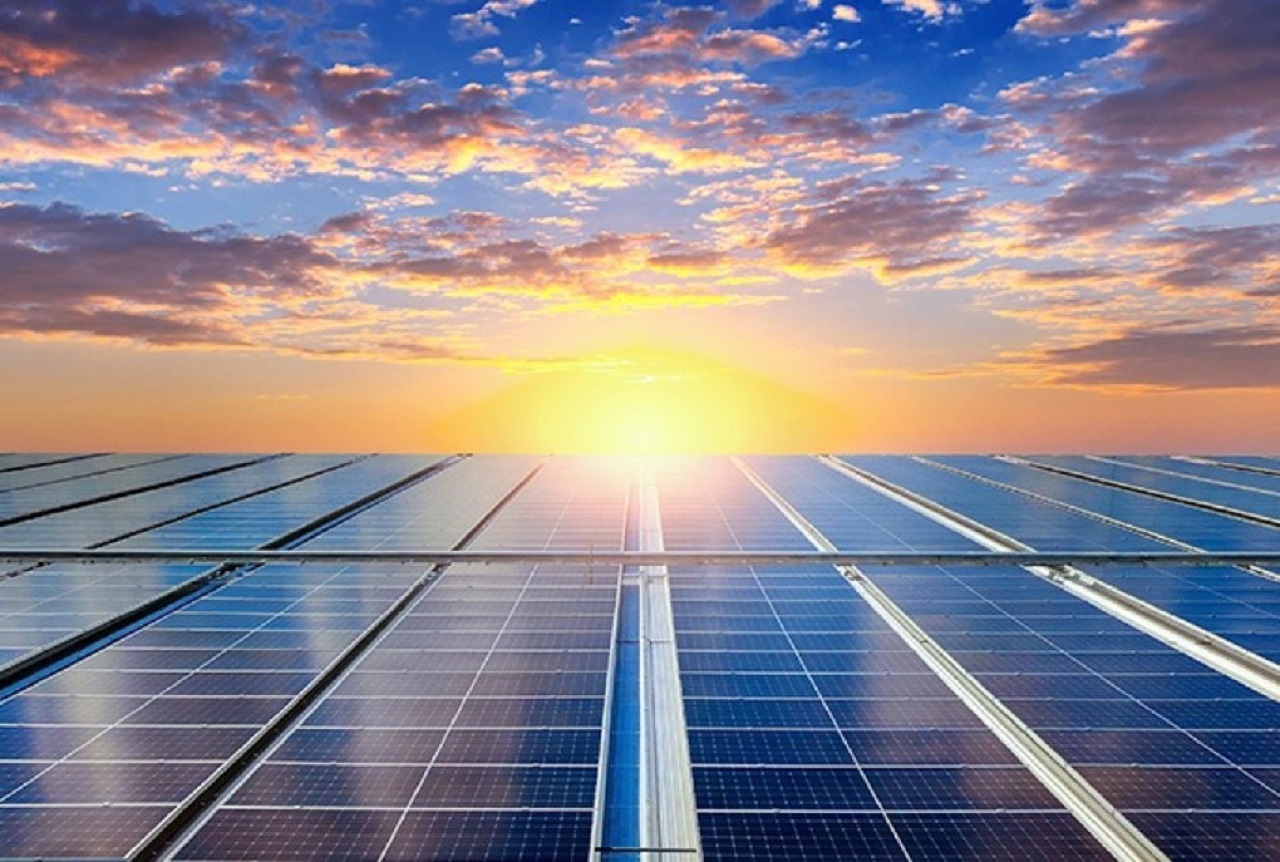

The Sun Tax Has Arrived in the Solar Energy Market. Therefore, We Have Separated Information in This Article for Consumers to Stay Informed About the Changes Brought About by the New Tax.
Entered into force last Friday (6), the “Sun Tax”, the name given to the law referring to the self-generation of energy through grid-connected solar panel systems. With this new tax in the solar energy segment, there will now be a charge to cover distribution costs. The law was enacted by former President Jair Bolsonaro last year and fulfilled the deadline set by the Legal Framework for Distributed Generation.
Understand How the Sun Tax Will Operate in the Solar Energy Market


In practice, since last Saturday (7), consumers who request the connection of a solar panel system to the grid will have to pay a fee and also will receive only 85% of the credit for excess generation.
It is important to highlight that consumers who adopted solar energy before this period will be exempt from the new tax until 2045. Thus, the exemption from the fee until the beginning of this year served as a way to encourage the installation of solar panels, i.e., solar energy generation.
-
Brazilian scientists are simultaneously advancing two research projects on clean hydrogen and driving solutions that could transform the energy matrix, enhance industrial competitiveness, and accelerate large-scale emission reduction targets.

-
Advancement in renewable energy: A R$ 150 million project launched by Petrobras and Finep aims to create state-of-the-art electrolyzers for green hydrogen, strengthening national research and preparing Brazil to compete in a billion-dollar energy market.
-
Solar energy can increase property value by up to 10% and become a selling point.
-
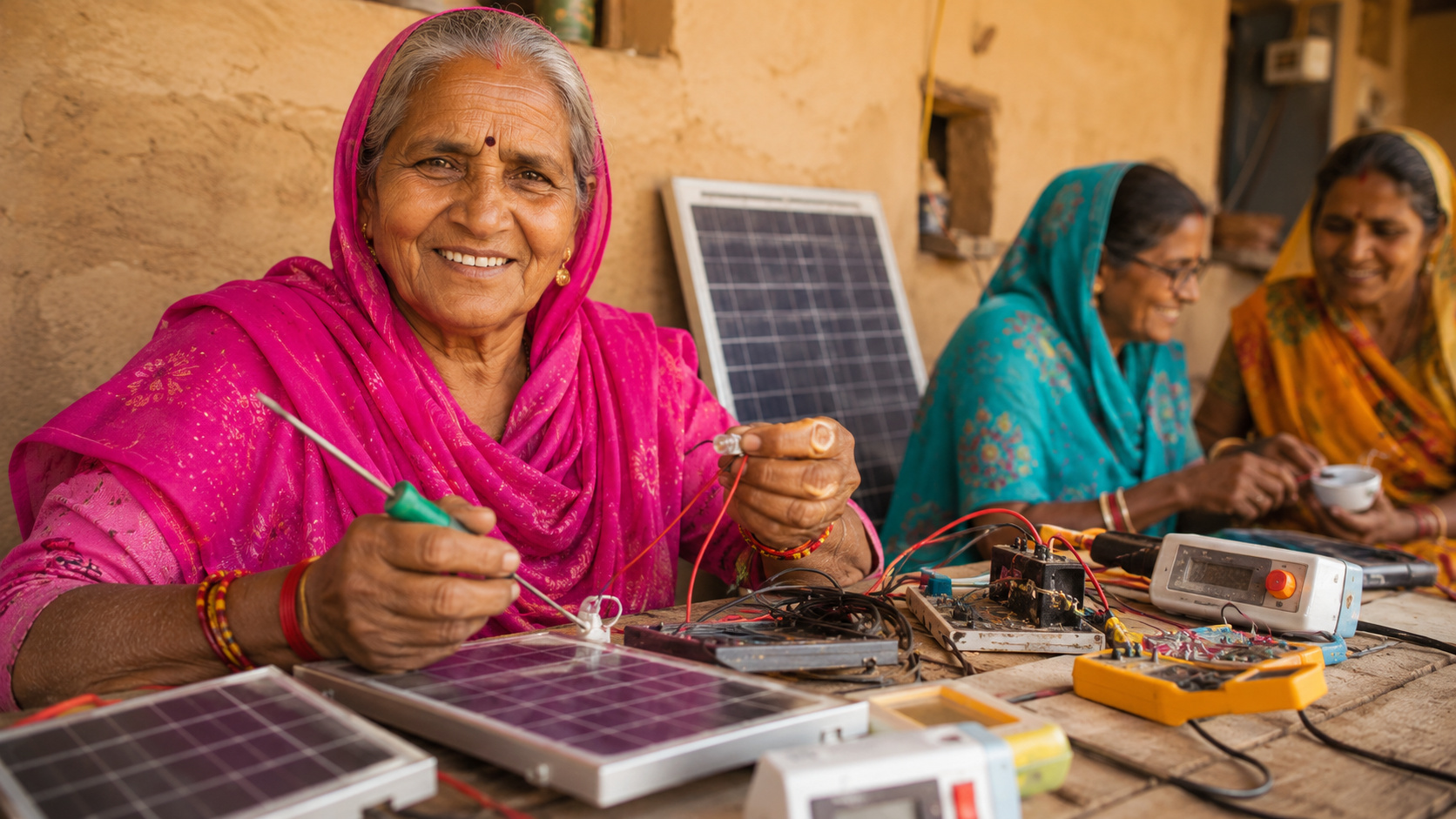
Illiterate or semi-literate grandmothers were trained to repair solar systems, open rural workshops, and light up homes that still depended on kerosene.



The estimate was that this deadline would gain momentum through the Bill 2703/22, but the bill did not receive votes in the Senate before the year-end recess. Nevertheless, energy sector experts say that installing solar panels remains a significant advantage for those seeking good savings on their electricity bill, even with the arrival of the new charge. In practice, with the sun tax, the only thing that changes is the return time on the investment made in the installation.
New Charge Will Be 38%
The sun tax will be crucial for regulating the national energy sector. In summary, it is a way to compensate the utility for the services provided. This is because, in the case of distributed generation, the distribution grid acts as a kind of battery for those who have solar panels.
In the end, the charge will be up to 38% on the value of energy fed into the grid, with this percentage being applied gradually until 2028. In 2023, this application is 15%, equivalent to a charge of 5.7%.
Rafael Castro, an expert in the sector, states that the main benefit of the law, which came into effect this year, is the legal certainty for the solar energy segment. However, the legal framework raised several questions regarding the impact this would have on those already using solar energy or those planning to use it.
Expert Explains How the New Charge Will Work
According to Rafael, although the term sun tax has become popular, it is not correct since the law is not related to taxes. However, there will be changes in how the excess generation is valued.
For those who already have a solar energy system, the exemption until 2045 is guaranteed, but if the system is expanded after the deadline, the new charging rule will apply to the newly added solar panels. For those planning to install solar energy in 2023, the law defines a transition period, in which each year the consumer will gradually pay a larger part of the distribution tax on what they inject into the electricity grid, as mentioned earlier.
Solar generation has become one of the main sources of energy in the country, especially in the state of Minas Gerais, which last year alone reached the mark of 4 GW of generation, according to data from Aneel.








