Portuguese
  Spanish


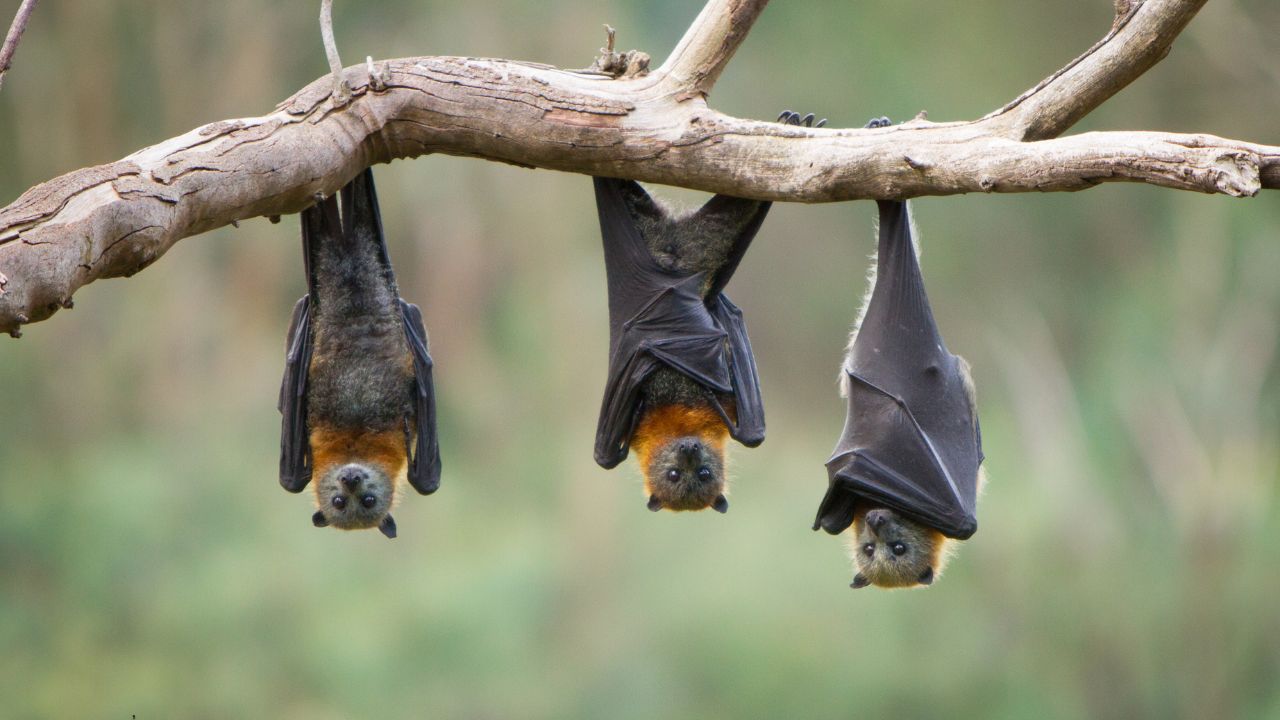

Study Points Out That Bat Cellular Adaptation May Be The Key To Human Hibernation In Space
The possibility of sending humans to Mars has always fascinated scientists and space exploration enthusiasts. In fact, one of the greatest challenges of this mission is the duration of the trip: approximately 21 months, a time that imposes a series of difficulties for the astronauts’ survival. Now, a new study suggests that a new bat may be the key to solving this problem.
The study reveals that the biology of this animal may provide clues on how to induce hibernation in humans, making long-duration space travel possible.
The Discovery And Its Relation To Space Travel
NASA plans to send humans to Mars by the 2030s. However, keeping astronauts healthy during such a long journey is a major challenge. Among the possible solutions, hibernation has been studied as a way to reduce the physiological impacts of microgravity and cosmic radiation, as well as to conserve resources such as food and oxygen.
-
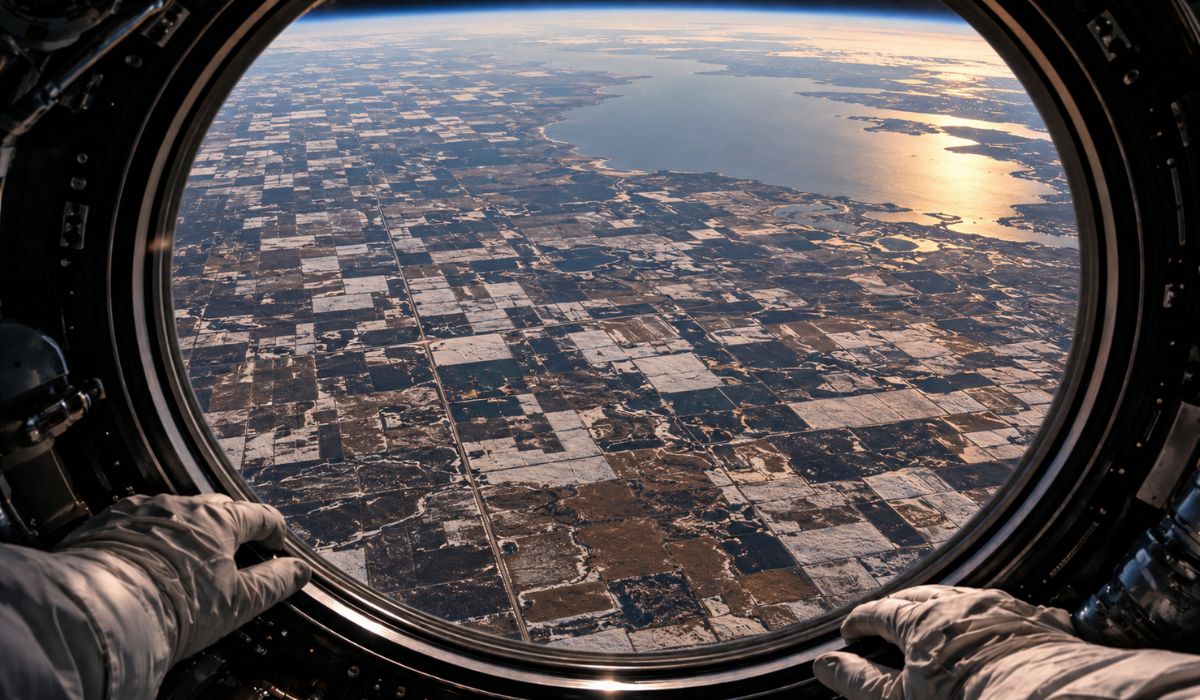
Seen from space, an astronaut captures in Canada a geometric carpet of crops drawn over the backdrop of a ghost lake that disappeared 12,000 years ago, was once larger than all the Great Lakes combined, and left a scar of fertile mud that still sustains agriculture.

-
Billionaire says the most valuable skill will help overcome job elimination caused by AI, following Bill Gates’ fears

-
A Dutchman created a ‘box’ that makes trees grow in the desert almost without water and without irrigation: the invention has already brought seedlings to dozens of countries and achieves up to 90% survival where common planting did not exceed 10%.

-
Abandoned warehouse hid a giant collection of rare computers, with over 2,000 artifacts from the 1930s to the 1980s.



Many mammals enter a state of torpor in winter, lowering their body temperature, reducing brain activity, and slowing metabolism to save energy. However, humans cannot do the same naturally, as our bodies are not designed to survive extreme drops in temperature or drastic reductions in metabolism.
It was then that a recent study on a new bat brought surprising insights. Zoologist Gerald Kerth from the University of Greifswald in Germany led a study on these animals’ ability to enter hibernation. The study revealed that the bats’ blood cells possess a unique adaptation that allows the organism to optimize oxygen absorption and survive intense cold. This discovery may open doors for future applications in space medicine.
The Cellular Superpower Of Bats
To better understand this mechanism, Kerth and his team captured 35 wild noctule bats in forests near the University of Greifswald. These animals are known to hibernate in large colonies during winter. The team also analyzed Egyptian frugivorous bats and compared their red blood cells to human cells.
The results were surprising. The researchers observed that as the temperature decreased, the bats’ blood cells became thicker and stiffer, maintaining an ideal ratio for absorbing and distributing oxygen throughout the body. In contrast, human cells did not exhibit this adaptation. This cellular behavior may be a crucial factor for bats’ survival during long periods of hibernation.
The research demonstrated that if it were possible to replicate this mechanism in humans, induced hibernation could become a real possibility for space travel. This would open new perspectives for deep space exploration, reducing risks and making interplanetary missions more viable.
The Challenges To Make Human Hibernation A Reality
Despite the excitement about the discovery, many challenges still need to be overcome before humans can hibernate like bats. Molecular biologist Marcus Krüger, a specialist in space medicine, emphasizes that the research represents just one piece of the puzzle. “We still don’t know how to induce hibernation in humans. Could this be done through fat accumulation, food deprivation, or pharmacological support?” he questions.
Another obstacle is exposure to radiation in space. During extended space travel, astronauts are subjected to high levels of cosmic radiation, which can damage cells and increase the risk of diseases. Additionally, the lack of gravity causes significant muscle atrophy and bone loss, problems that hibernation would have to address.
Another practical challenge involves the supplies needed for a mission to Mars. Currently, it is estimated that about 70 space shuttles loaded with food and fuel would be required to keep astronauts alive throughout the journey. If hibernation were possible, this number could be drastically reduced.
The Future Of Space Exploration And The Contribution Of Biology
The discovery of this new bat not only helps us better understand the mechanisms of hibernation but could also be an important step in the search for solutions to make space travel safer and more efficient.
If scientists can develop a way to adapt human biology to mimic bats, deep space exploration will become much more accessible. The ability to hibernate could allow for longer interplanetary missions and even pave the way for the colonization of other planets.
There is still a long way to go, but this study is a milestone in the advancement of space medicine. As hematologist Mikkael A. Sekeres from the University of Miami pointed out: “This has implications for the possibility of humans entering a state of torpor for prolonged periods – with the hope of a better outcome than for the unfortunate astronauts from the Alien movie series!” jokes the specialist.
Space science continues to advance in search of innovative solutions to make space travel safer and more efficient. The discovery about the new bat and its ability to adapt to cold may be one of the first steps to turning human hibernation into a reality.
Source: nationalgeographic