Portuguese
  Spanish


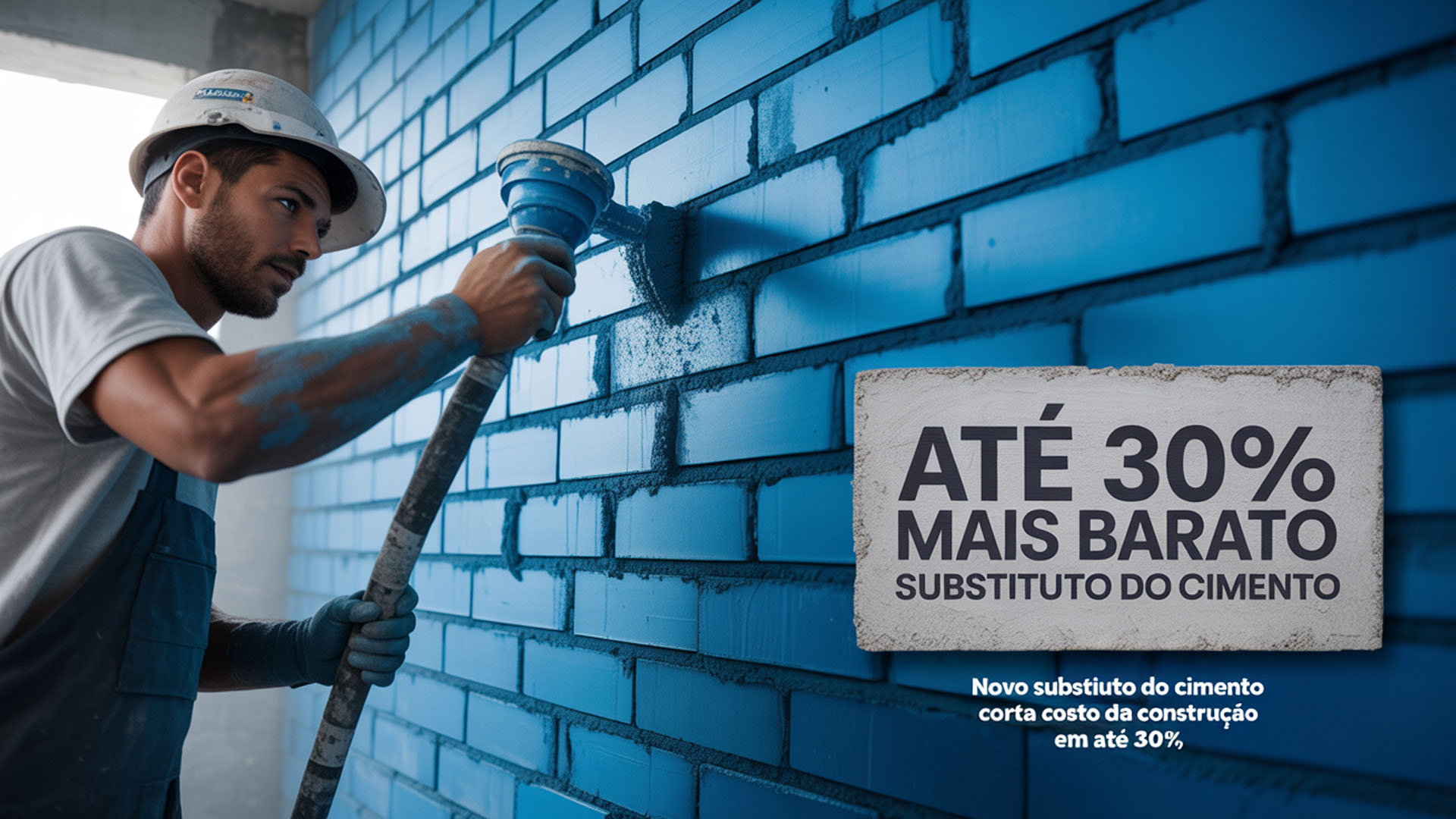


Polymeric Mortar Technology to Replace Cement in Partition Walls Promises Savings in Materials and Labor, with Technical Standards of ABNT NBR 16590 and a Focus on “Thin Joint.”
The search for savings in construction has gained an ally, polymeric mortar for laying blocks and bricks in partition walls. This is a ready-to-use compound that replaces the cement applied in cords, eliminating mixing and reducing waste.
It is important to make it clear that it does not replace cement in beams, columns, or slabs. According to ABNT, its use has been standardized since 2017 by NBR 16590 (parts 1 and 2), specifically focused on partitioning.
Studies and market data indicate productivity gains and cost reductions per square meter. The main driver is the performance with “thin joint” and the elimination of stages on the construction site. In real scenarios, the direct cost reduction in masonry reaches levels of around 30%.
-
How to Prevent Brown Recluse Spider Bites: Common Hiding Spots and Free Tips to Reduce Risks

-
Natto: The Unusual Japanese Superfood Gaining Popularity on Social Media and Driving Record Exports
-
Brazilian Mayor Goes Undercover as Homeless for 24 Hours to Assess Public Services

-
15-Year-Old Entrepreneur Malu Lira Publishes 20 Children’s Books on Financial Education, Earns $500,000, and Expands Her Project to the Amazon Rainforest




The correct application requires a project, suitable blocks, and leveling of the first row with conventional mortar, in addition to a trained team. The standard itself details application criteria, packaging, and performance, providing technical predictability for the method.
Polymeric Mortar That Replaces Cement: What It Is, How It Works, and Where to Use It
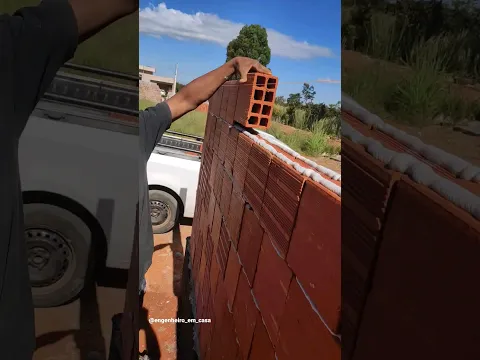

The polymeric mortar is a non-cementitious compound supplied in 3 kg cartridges or buckets, ready for use. It is applied in two horizontal cords over the blocks, without the addition of water. The focus is on laying partition blocks with cleanliness and regularity of joints, without the need to use cement.
The ABNT NBR 16590 establishes product requirements, testing methods, and good application practices. The publication of parts 1 and 2 in 2017 consolidated its use in vertical partition systems, including references to NBR 15575 for wall performance requirements.
Limitations are clear: it is not for foundations, structural elements, or slabs. The first row must be adjusted with conventional mortar to correct floor irregularities; then, the laying proceeds with the polymeric compound in thin joint.
Why the Cost of Partition Walls Can Drop by Up to 30%
Three factors drive the savings: yield, almost zero waste, and productivity. As the material arrives ready, it reduces the storage of sand/cement, mix control, and leftovers. Retailers describe “direct application, without mixes,” reinforcing the elimination of preparation stages.
Comparative estimates show significant cost reduction per m² when the partition wall shifts from the traditional mix to polymeric thin joint. A study published in Revista Espacios compared compositions and found a reduction of 36% in cost per square meter in a reference scenario.
Manufacturers and technical guides also report much higher yields than traditional mortar, reaching orders of magnitude like “up to 20x” in yield and significant loss reduction, depending on the block and team training. Use this as a reference, not as a guarantee.
Productivity on Site: More m²/Day Per Mason
The laying stage accelerates because there is no mixing, curing time for the mass or displacements to the concrete mixer. Generally speaking, field reports indicate that the mason produces more m² per day with thin joint.
Manufacturers’ materials and technical reviews speak of up to 3x productivity increase compared to the conventional system, a scenario linked to the quality of the block, logistics, and team training. Treat the figure as a technical ceiling, not as a universal promise.
More productivity means fewer labor hours to raise the same volume of walls. In typical budgets, labor weighs on the final cost; therefore, gains in rhythm translate into direct savings.
Practical Example: Impact on the Budget of a 100 m² House
For a 100 m² house, there are usually around 200 m² of partition walls. In comparative compositions, studies report 30% to 36% reduction in cost per m² when migrating to polymeric mortar, combining material and labor.
If a local budget estimates R$ 9 thousand to raise the partition with traditional mortar, the same job can drop to around R$ 6 thousand with polymeric mortar, maintaining a compatible block and trained team. This is an estimate, varying by location, block, shipping, and BDI.
The scale effect matters; the larger the area, the greater the absolute savings, due to the sum of fewer hours, less waste, and more streamlined site.
Indirect Costs and Logistics: Cleaner and More Predictable Site
As the product requires no preparation, the site reduces or eliminates concrete mixers, water points, and sand/cement storage areas, as well as decreases rework for cleaning. Large retailers highlight “direct application, without mixes” and use in partition walls.
With compact packaging and extended shelf life, inventory control becomes simpler and traceable by batch. This facilitates inspection and compliance with NBR 16590, which defines clear requirements for identification and packaging.
Less handling of aggregates reduces dirt and losses. In internal audits, this usually reflects in better site organization and lower collateral cleaning costs.
What do you think of using polymeric mortar to replace cement in partition walls? Share your opinion if you believe that the technology delivers what it promises or if the marketing hype exaggerates compared to real site conditions.