






 Portuguese
  Spanish
  4 min of reading
  0 comments


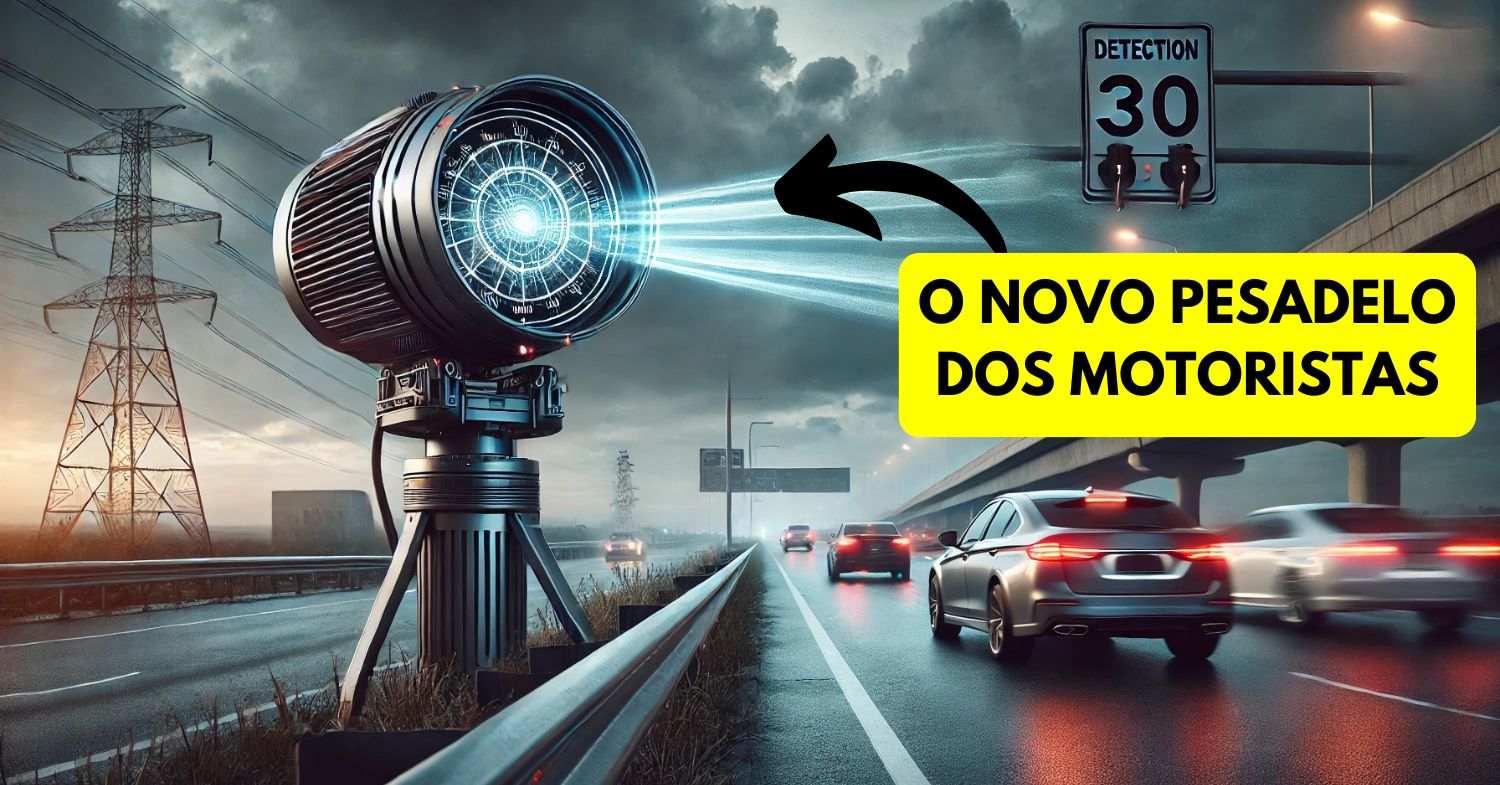
With Doppler Effect and Artificial Intelligence, The New Radars Go Beyond Speed and Promise to Make Highways Safer for Everyone.
If you are part of the team that keeps an eye on traffic radars to avoid fines, it’s good to know that enforcement is about to get even stricter. In tests on BR-050, in the stretch that passes through Uberaba (MG), the new traffic radars arrive to do much more than just register speed. These new devices incorporate advanced technologies, such as Doppler effect and artificial intelligence, to catch traffic violations more accurately and, of course, ensure greater safety on the highways.
What Are The New Traffic Radars?
The new traffic radars are devices that utilize modern technologies to monitor not only speed but also other types of violations. In addition to identifying those who exceed the speed limit, these radars can catch red light violations, illegal turns, and other dangerous practices.
Instead of being just fixed radars that capture instant speed, these new radars monitor the time it takes for a vehicle to cover a specific stretch, calculating the average speed for the trip.
-
Uber Faces Shareholder Scrutiny as Board Accused of Ignoring Safety, Compliance, and Harassment Warnings Amid Over 3,500 U.S. Lawsuits

-
Ferrari’s First Electric Car Divides Fans, Priced at $630,000, Amid Concerns Over Limited Editions; Brand Clarifies It’s Not Just for Future Perks
-
BYD Dolphin Mini: The Electric Car That Defies Depreciation, Losing Only 3.58% in a Year and Becoming the Best-Selling Retail Model Under $22,000

-
Electric Car JAC E-JS4 Loses $19,000 in Value in One Year, Leading Record Depreciation of Used Cars in Brazil Due to Expensive Battery and New Models


On BR-050, for example, two new radars have been installed with a distance of 11 kilometers between them, at km 171 and 182. If the driver completes the stretch in less than 11 minutes, the system interprets that they were above the speed limit. For now, drivers caught during testing will not be fined, but in the future, the fine for speeding could be heavy, reaching R$ 880.41 with 7 points on the license.
How Does The Doppler Effect Work In The New Radars?
One of the technologies used in these new traffic radars is the Doppler effect, a concept from physics that, in short, uses waves to measure speed.
It works like this: the radar emits a radio signal toward the vehicle and, when that signal returns, it can identify the speed based on the change in the frequency of the wave. It’s as if the radar “senses” the speed of the car without needing the vehicle to pass over a sensor.


This technology allows traffic radars to identify violations even when the driver is not aware of the radar’s presence. In other words, if you are trying to escape enforcement, these new radars are ready to catch you by surprise.
Virtual Loop and Artificial Intelligence
Another technology that these new traffic radars bring is the so-called “virtual loop.” Unlike traditional ground sensors, the virtual loop creates a kind of “invisible barrier” that monitors the flow of vehicles without needing them to pass a fixed point. This system is even more efficient for identifying violations such as running a red light and illegal turns, making enforcement more comprehensive.
And what about artificial intelligence? This is one of the most innovative parts of the new radars. Through it, the devices can automatically adjust to the flow of vehicles.
If the traffic is heavier, for example, the radar can calculate the average speed to provide fairer enforcement. In this way, the system adapts to the context, allowing for more effective and error-prone monitoring.
What Happens If You Are Caught By The New Radars?
When these new radars are fully operational, those caught exceeding the average speed limit will face fines. The violation can be costly: the amount can reach R$ 880.41, plus 7 points on the license. In cases of repeat offenses within a 12-month period, the situation gets even worse, with the possibility of suspension of the right to drive for up to 18 months.
This punishment aims not only to penalize speedy drivers but also to create a safer environment on the roads. After all, speeding is one of the primary factors that increase the risk of serious accidents.
The implementation of these new traffic radars not only aims to collect fines but to promote safer and more orderly traffic.
The use of artificial intelligence and the Doppler effect allows for fairer and more accurate enforcement, without harming drivers who follow the rules. With this type of control, the government hopes to reduce the number of accidents and create a safer road environment for everyone.





Be the first to react!