Portuguese
  Spanish


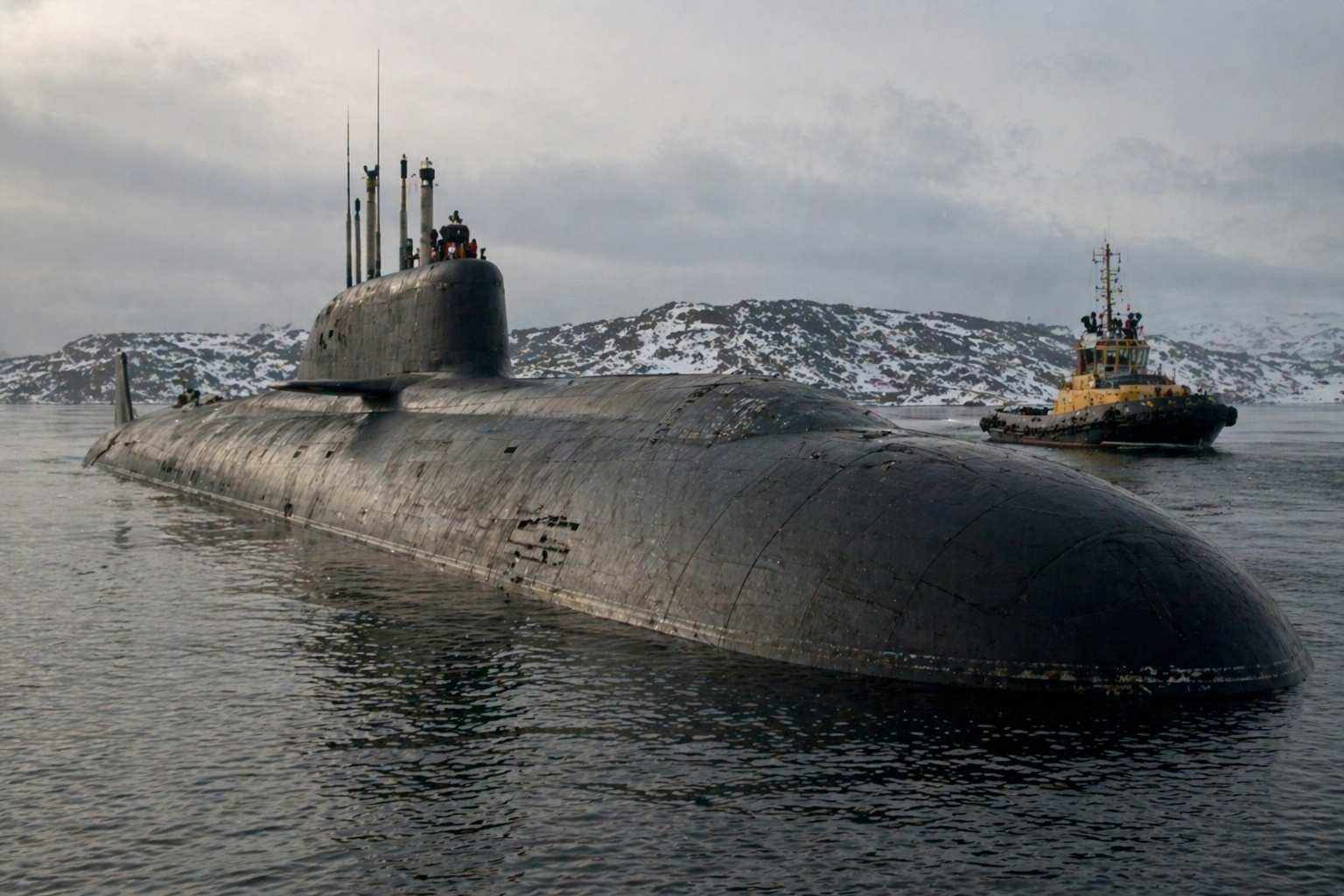

Fleet with advanced technology enables extreme operations, access to the seabed, and silent geopolitical advantage in global oceans
Titanium-hulled nuclear submarines represent one of the most advanced projects in modern military engineering.
These vessels were developed to operate at extreme depths, reaching areas where no other naval system operates.
Since the Cold War, between the 1960s and 1980s, the Soviet Union began the strategic use of this material.
-
Indonesia Begins Construction of 2,000-Ton Scorpène Stealth Submarines with Advanced Weaponry and French Steel

-
Brazil’s Largest Navy Ship, NAM Atlântico, Transforms into Field Hospital During National Crises

-
Brazilian Navy Demonstrates Strength in Naval Exercise with Over 20 Nations, Deploys Frigate Independência in Anti-Submarine and Air Defense Scenarios, and Joins Historic Formation with 26 Ships from 14 Allied Navies off the U.S. Coast

-
BAE Systems to Supply New Bofors 40Mk4 Cannons to the Brazilian Navy



Russia inherited this technology and maintained its development over the years.
Titanium ensures strength, lightness, and magnetic invisibility
Soviet engineers identified three decisive advantages of titanium.
The material weighs almost 50% less than traditional steel.
Its structure resists saltwater corrosion, which increases the durability of the vessels.
Another relevant factor involves the absence of a detectable magnetic signature, making identification by enemy sensors difficult.
This set of characteristics allowed for the creation of lighter and extremely resistant hulls, capable of withstanding intense pressures in the depths.
The cost of welding was high, but the strategic gain justified the investment.

Depth records reinforce technology efficiency
The year 1985 marked a significant advance.
The K-278 Komsomolets submarine reached a depth of 1,027 meters in the Norwegian Sea, according to Soviet Navy records.
This result surpassed any existing steel submarine at that time.
The Alfa and Sierra classes regularly operated between 550 and 900 meters, proving the material’s reliability.
The current highlight is the AS-31 Losharik, designed to reach up to 6,000 meters in depth.
Innovative structure makes the Losharik unique
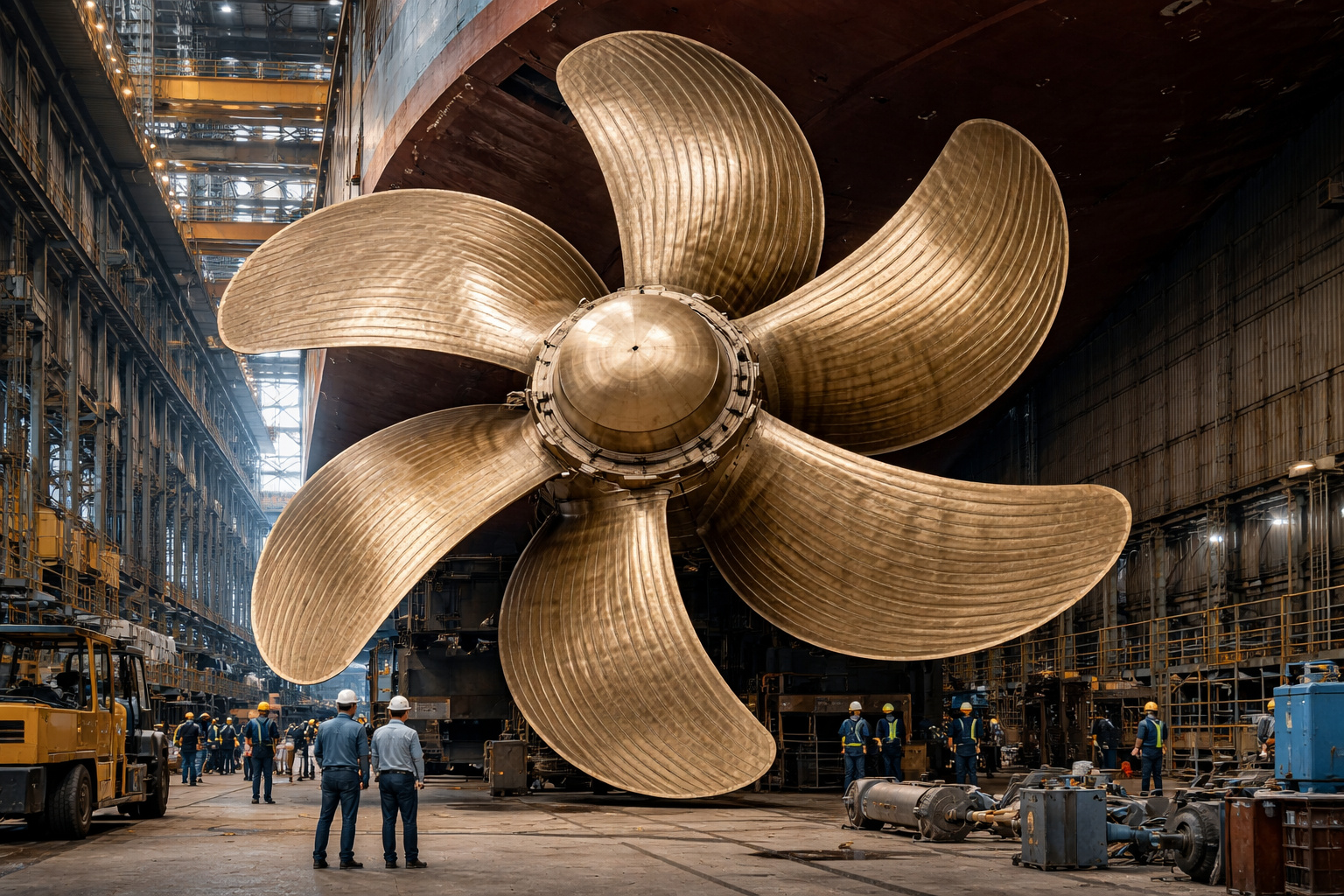
The Losharik features a design different from conventional submarines.
Its structure uses seven interconnected titanium spheres.
This shape distributes pressure more efficiently than traditional cylindrical structures.
The operation is carried out by the Main Directorate of Deep-Sea Research (GUGI), linked to the Russian Ministry of Defense.
This submarine can access submarine fiber optic cables and install sensors in inaccessible areas.
Strategic fleet includes specialized models
The Russian titanium-hulled fleet brings together different submarines with specific functions.
Key models include:
- AS-31 Losharik: dives up to 6,000 meters and nuclear propulsion
- Sierra II Class: operation up to 550 meters with advanced weaponry
- K-278 Komsomolets: historical depth record in 1985
- Belgorod (Project 09852): 184-meter submarine with capacity to transport the Poseidon drone
This diversity expands operational reach at different depths.
Missions go beyond traditional combat
NATO reports, released throughout the 2010s, indicate changes in submarine warfare.
Operations are no longer limited to the use of weaponry.
Key activities include:
- Interception of undersea communication cables
- Installation of acoustic surveillance sensors
- Recovery of equipment from the seabed
- Mapping of the ocean floor
The ability to reach up to 6,000 meters allows access to approximately 98% of the world’s ocean floor.
Russian strategy maintains the use of titanium
The United States opted for steel alloys such as HY-80 and HY-100, prioritizing cost and industrial ease.
Titanium requires welding in a controlled environment and costs three to five times more.
Russia kept this technology active, especially in Severodvinsk, where specialized facilities exist.
A fire recorded in 2019 led the Losharik to undergo five years of repairs, according to Russian authorities.
Depth tests were scheduled until 2025, indicating continued strategic investment.
Titanium engineering remains a differentiator in the oceans, but to what extent can this advantage redefine the global military balance?