Portuguese
  Spanish


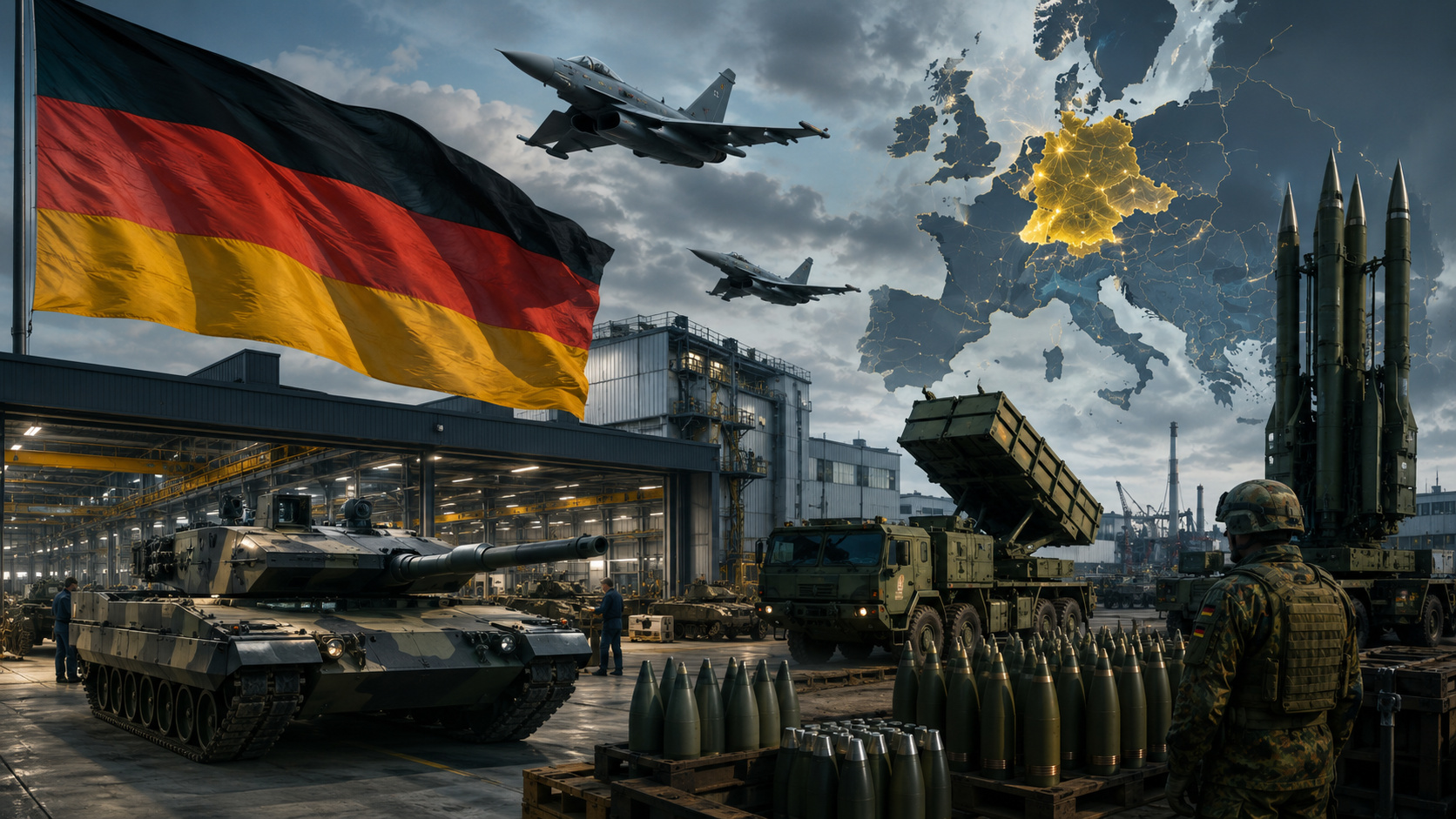


Germany accelerates historic rearmament after war in Ukraine and expands military budget on an unprecedented scale in the post-Cold War era.
Germany is entering the largest military race in its recent history. After decades of reducing troops, cutting equipment, and treating conventional wars as unlikely in Europe, Berlin is now accelerating a rearmament program that could completely transform the country’s military role within NATO. The German government has started to increase military spending at an accelerated pace after the war in Ukraine, approving historic changes to the country’s fiscal rules to allow new defense-related loans. According to information from the Financial Times and Reuters, Germany intends to invest hundreds of billions of euros in military modernization, strategic infrastructure, and industrial expansion linked to defense.
The move has already begun to change the European arms industry. Companies like Rheinmetall have expanded production of ammunition, armored vehicles, and military systems, while the budget of the Bundeswehr, the German Armed Forces, is heading towards levels considered unthinkable a few years ago.
Germany abandoned decades of fiscal discipline to finance rearmament
For years, Germany maintained one of the strictest fiscal policies in Europe. The country used the so-called “debt brake”, a constitutional mechanism that strongly limited new public loans. However, after the Russian invasion of Ukraine, Berlin began to dismantle part of these restrictions to make room for large-scale military investments.
-
U.S. Navy’s Ticonderoga-class Cruiser Becomes a 9,800-Ton Missile Fortress with Advanced Aegis System Capable of Tracking Hundreds of Targets

-
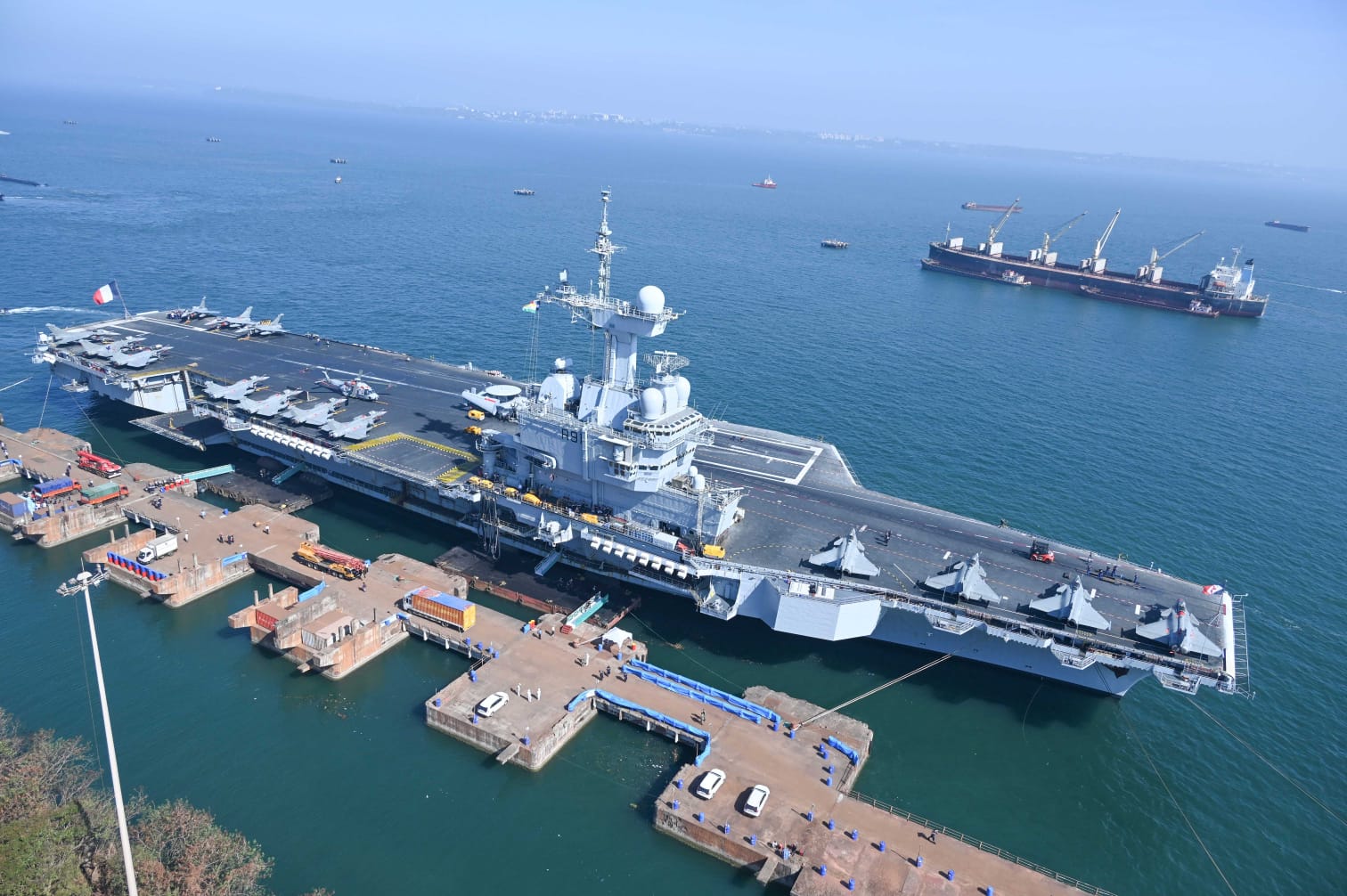
France’s Charles de Gaulle: The Sole Nuclear-Powered Aircraft Carrier Outside the US, Weighing 42,500 Tons and Equipped with Two Atomic Reactors

-
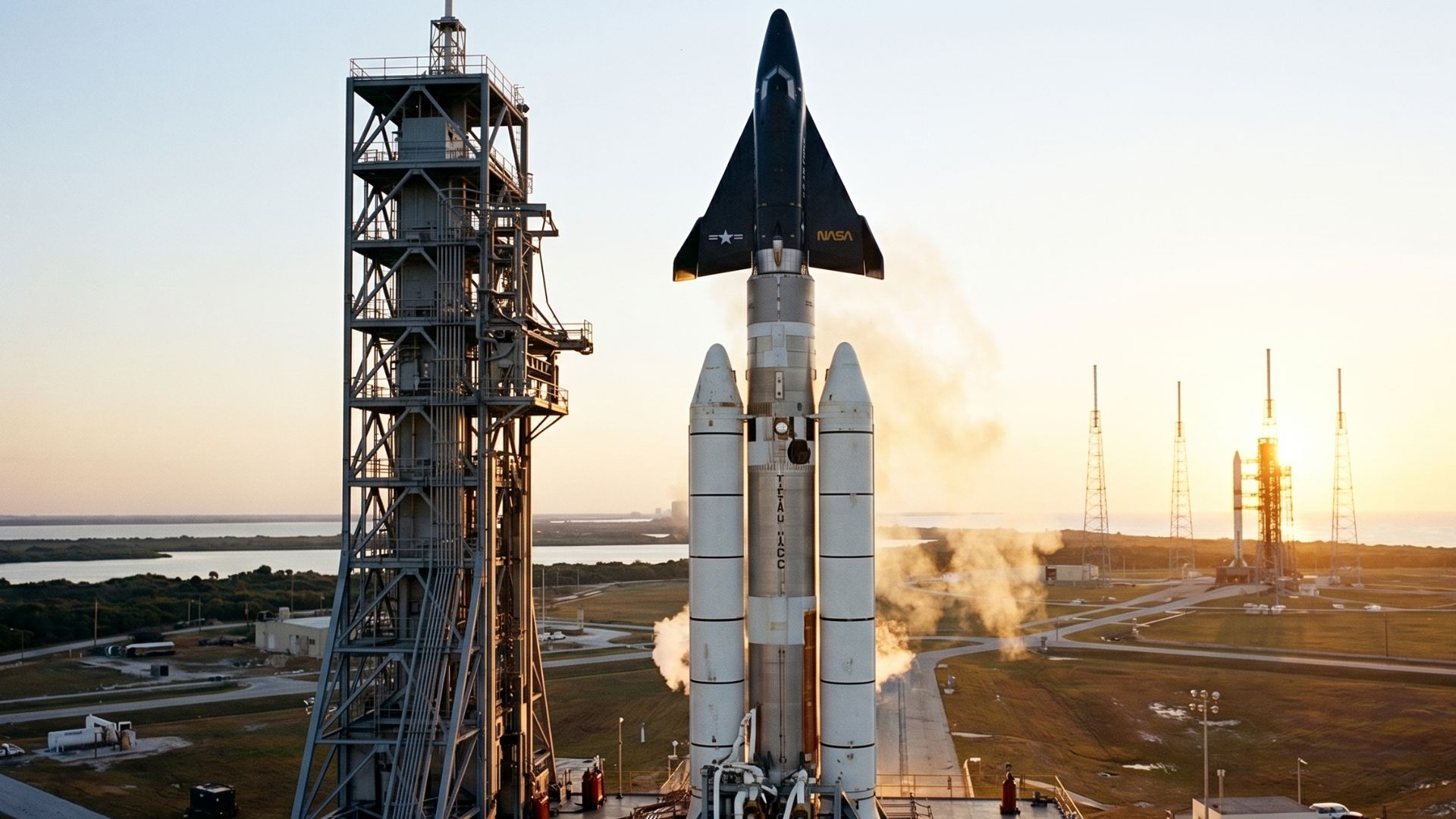
The military spaceplane that almost took the Cold War into orbit: Boeing X-20 Dyna-Soar was designed to re-enter above Mach 20, fly for up to 40 hours, land like a plane, and transform Titan rockets into a gateway to a new era of orbital warfare.
-
FAB bets on national drones and increases investments to strengthen the Brazilian aerospace industry




According to the Financial Times, the German government has started discussing a cycle of military spending potentially close to € 779 billion over the coming years, something that would place the country among the largest rearmament programs on the planet.
The change represents a historic break for a country that spent decades avoiding aggressive military expansion due to the political and historical weight of the world wars.
The German military budget is skyrocketing at a rare speed for European standards
Data linked to the German budget shows an impressive jump in defense spending. According to projections cited by Reuters, Germany’s main military budget is expected to rise from around €82.7 billion in 2026 to €105.8 billion in 2027.
Considering special funds and military support to Ukraine, total spending could reach €144.9 billion as early as 2027.
Projections up to 2030 indicate even higher numbers. Reports linked to the Bundeswehr suggest the possibility of military spending close to €179.9 billion annually by the end of the decade if plans are maintained. This would place Germany among the largest military budgets in the world.
The Bundeswehr wants to expand troops, munitions, air defense, and naval fleet
German rearmament does not only involve budget increases. The Bundeswehr is working on a broad modernization involving Leopard 2 tanks, air defense, electronic warfare, drones, munitions, submarines, frigates, and logistical capacity.

Germany also intends to expand its military personnel. According to recent data from the Bundeswehr, the country has about 186,000 active military personnel and aims to expand to approximately 203,000 soldiers by 2031.
The growth occurs because German military leaders have begun to argue that Europe is once again facing a real risk of large-scale conventional war.
The German arms industry has become one of the biggest winners of the new European military race
Few companies symbolize this transformation as much as Rheinmetall. The German arms manufacturer rapidly expanded production of munitions, armored vehicles, air defense systems, and military equipment after the start of the war in Ukraine. The company is now considered the largest military manufacturer in Germany and one of the largest in Europe.
According to information from the Financial Times cited by Reuters, Rheinmetall is also trying to secure gigantic contracts with the German navy linked to the F126 frigates, in negotiations that could reach around €12 billion.
The growth of the arms industry shows how the war in Ukraine has profoundly altered Europe’s economic and strategic priorities.
Germany has also become a central piece in NATO’s military strategy
For many years, NATO countries criticized Berlin for spending little on defense. Now, the scenario has changed drastically.
With the pressure of the war in Ukraine and the expansion of the alliance’s military goals, Germany has taken a central position in strengthening European military power. NATO is already discussing future targets of up to 5% of GDP directly or indirectly aimed at defense and strategic infrastructure.

As Germany has the largest economy in Europe, any German military expansion has an immediate impact on the entire industrial and logistical capacity of the continent. This includes ammunition, vehicles, electronic systems, radars, air defense, and military infrastructure.
The country wants to avoid excessive dependence on the United States
Another important factor behind the German rearmament is the debate on European strategic autonomy.
European leaders have started to discuss more intensely the possibility of the United States reducing military priority for Europe in the future. This accelerated the idea of strengthening their own military capabilities within NATO.
Germany has become a key player in this process because it has a financial and industrial capacity far superior to most European countries.
Berlin has also begun to advocate for greater integration of the continental military industry to reduce external dependence.
German rearmament reignites historical debates across Europe
The German military advance inevitably awakens historical memories on the continent. Germany was a central protagonist in both world wars and, for decades, maintained an extremely cautious stance regarding the use of military force.
Therefore, the current rearmament process is being closely watched by both allies and geopolitical rivals. The difference now is that the expansion is happening within the NATO structure and under the justification of containing Russia.
Even so, Germany’s economic and industrial size means that any military change in the country has immediate consequences for all of Europe.
Europe is entering a new military era
The German case is part of a much larger transformation. Poland, France, Sweden, Finland, and other European countries have also increased military spending, purchased missiles, reinforced air defense, and accelerated ammunition production after the war in Ukraine.
According to recent data, European military spending has grown strongly in recent years, driving a new regional arms race. In this scenario, Germany occupies a decisive position.
If current plans are maintained, Europe’s largest economy may once again become one of the continent’s largest military powers — something that seemed practically impossible a few decades ago.