Portuguese
  Spanish


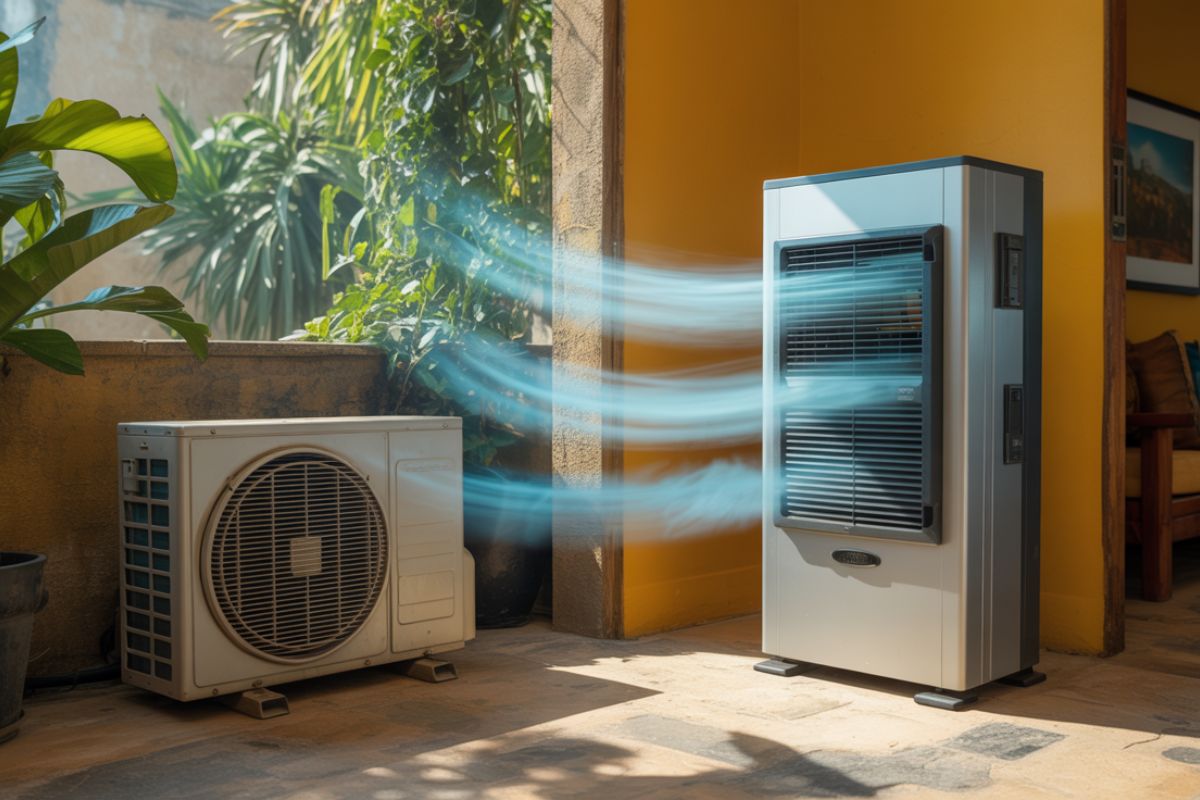


Inspired by the Genius of Termite Mounds, A New Approach to Air Conditioning Promises to Cool Environments with Natural Ventilation, Without Using Refrigerant Gases and With an Energy Saving That Can Reach 90%.
In a world desperately seeking sustainable solutions, a technology inspired by nature is proving that it is possible to achieve thermal comfort without destroying the planet (or your wallet). This is the air conditioner that doesn’t use gas, a passive cooling system that mimics the incredible ability of termites to maintain their nests at a stable temperature, even under the scorching African sun.
What was once a concept limited to iconic architectural projects, is now beginning to be explored for residential use, with the promise of retiring traditional air conditioning units. The idea is simple and powerful: rather than spending a fortune on energy to combat heat, why not use smart design to work in harmony with it?
How Does the Technology Inspired by Termites Work?
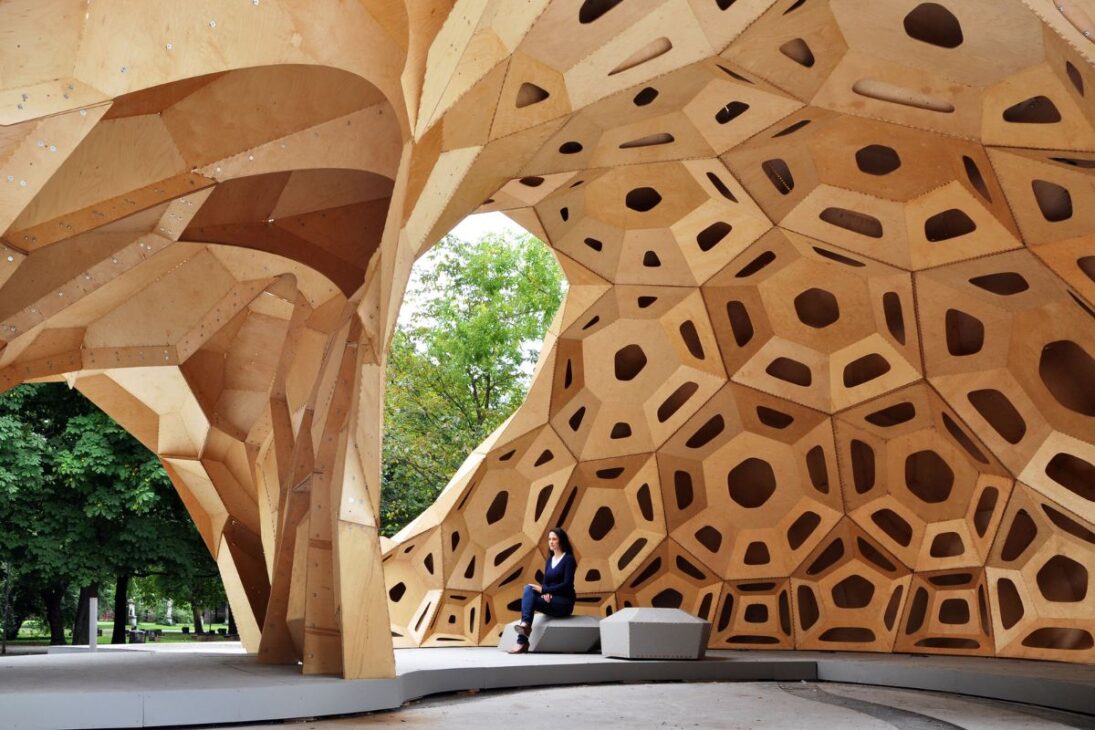
The genius behind the air conditioner that doesn’t use gas lies in biomimicry, the science that studies and applies solutions from nature. Architects and engineers have observed that termite mounds, with their complex network of tunnels and chimneys, function as a perfect natural ventilation system.
-
Microsoft Reveals Windows Setting to Safely Remove USB Drives and Prevent Data Loss

-
Astronomers Discover Two Giant Planets with Cotton Candy-Like Density, Comparable in Size to Jupiter, Orbiting a Star 1,110 Light-Years Away
-
Meteor Showers and Full Moon Create Rare Celestial Display Over Brazil in Late July

-
Metal Detector Enthusiasts Uncover Largest Viking Coin Hoard in Norwegian History with 2,970 Silver Pieces Near Rena




The technology replicates this principle through three main mechanisms:
- Convection Ventilation (Chimney Effect): The design utilizes openings at the base of the building to capture cooler air and chimneys at the top to expel hot air that rises naturally. This creates a continuous airflow that cools the environment.
- Thermal Mass: The walls and structures are made of materials like concrete or bricks, which absorb heat during the day and release it slowly at night, when the outside temperature is lower, keeping the interior always pleasant.
- Evaporative Cooling: In some designs, water is used to moisten and cool the air entering the system, a highly effective method in dry climates.
The Example That Proved It Works: Eastgate Centre
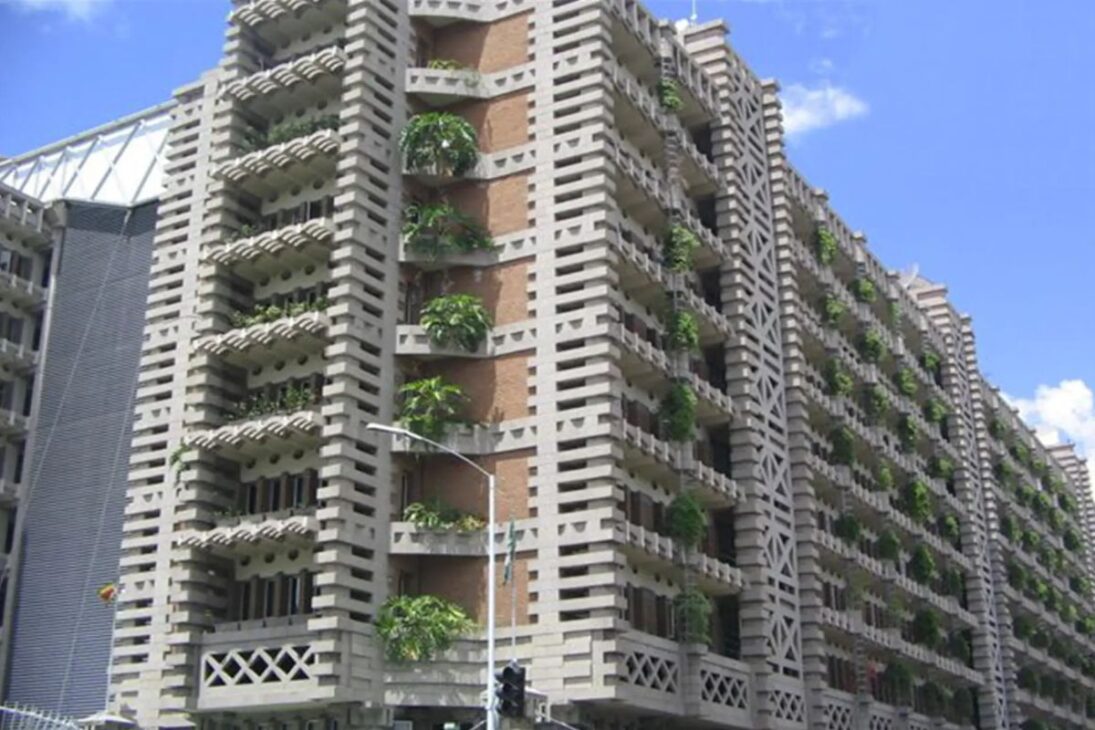
The most famous and successful case of this technology is the Eastgate Centre, a commercial building in Harare, Zimbabwe, designed by architect Mick Pearce in 1991. The building does not have a conventional air conditioning system. Instead, it “breathes” like a termite mound.
- Result: The Eastgate Centre consumes up to 90% less energy for ventilation than a similar building and had a construction cost 10% lower, precisely because it did not require a traditional air conditioning installation.
The Arrival to Homes: Prototypes and the Residential Future
The technology is evolving and becoming more accessible. The Startup Lions Campus, a technology center in Kenya designed by the renowned firm Kere Architecture, utilizes ventilation towers inspired by termite mounds to keep the workspace comfortable in the middle of the desert.
For residential use, the TerraMound prototype, created with 3D printers, shows a promising path. It is a structure made of porous ceramic that can be integrated into house facades to cool the incoming air, combining modern design with the ancient wisdom of termites.
Why Is This Innovation So Important?
The impact of an air conditioner that doesn’t use gas is enormous. According to the International Energy Agency (IEA), buildings are responsible for 37% of global CO₂ emissions, and air conditioning systems consume about 20% of all electricity used in them.
By eliminating the use of refrigerant gases (which are potent greenhouse gases) and drastically reducing energy consumption, this technology presents itself as one of the smartest and most effective solutions to combat climate change, without giving up comfort.
And you, what do you think? Do you believe that the air conditioner that doesn’t use gas, inspired by nature, is the future of air conditioning in Brazil? Leave your opinion in the comments!