






 Portuguese
  Spanish


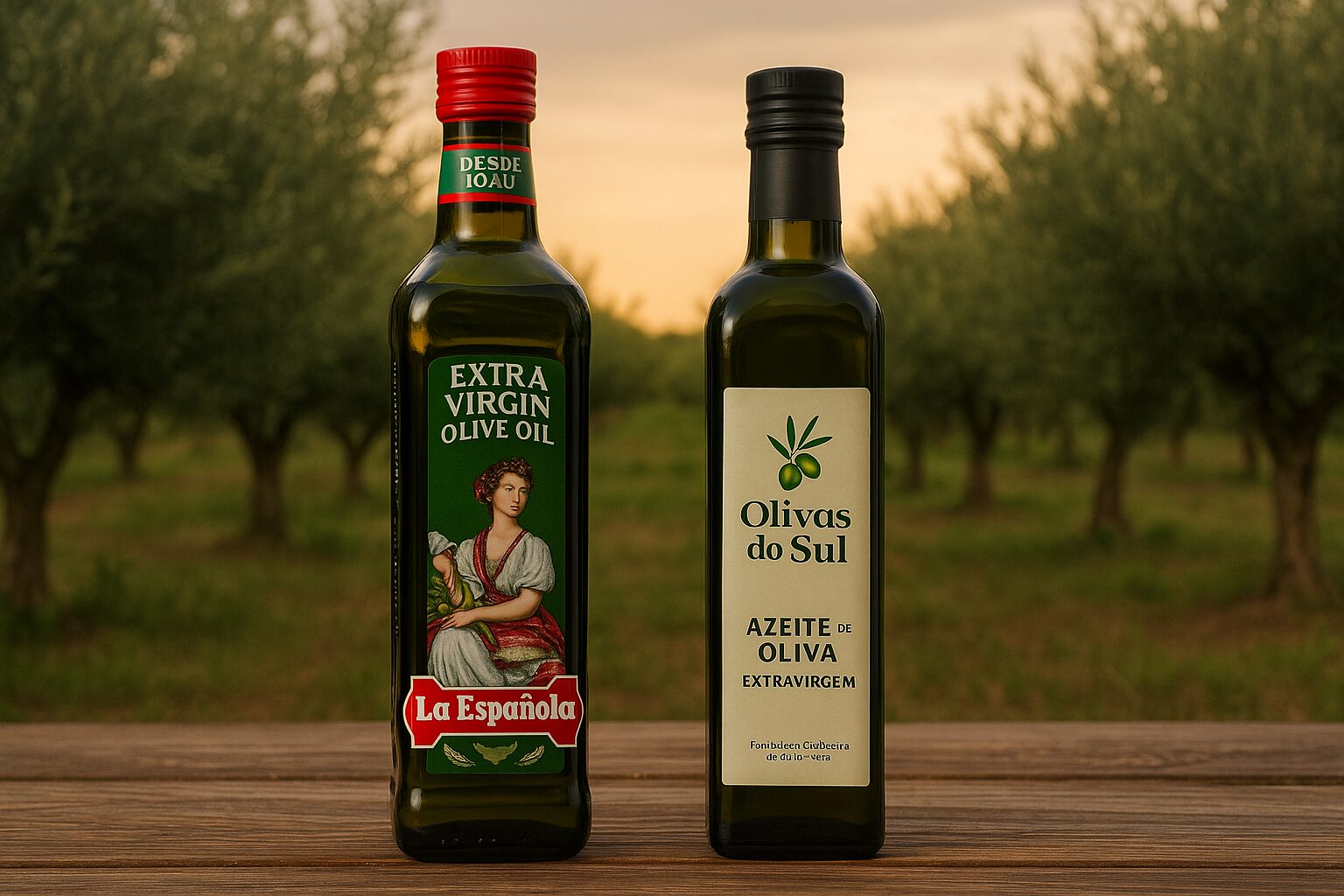

From A Century-Old Spanish Tradition To Brazilian Pioneering, La Española And Olivas Do Sul Show How Olive Oil Has Reinvented Itself With Innovation, Quality, And Global Recognition
The trajectory of olive oil spans centuries of tradition, innovation, and pioneering. Two brands help tell this story, each playing its role in distinct contexts: the Spanish La Española and the Brazilian Olivas do Sul.
On one side, there is the experience of over 180 years. On the other, the recent drive of a national production that advances with quality and international recognition.
La Española: Tradition Since 1840
Founded in 1840, La Española is considered the oldest olive oil brand in Spain and one of the oldest in the world. With over 180 years of history, it combines tradition and innovation in the way it produces, packages, and distributes oils. The brand belongs to the Acesur group, which has been in the sector for over 150 years.
-
Brazilian Entrepreneur Turns Door-to-Door Jewelry Sales into a Family Business Empire with Over 70 Stores

-
$75 Million Bridge in Brazil Opens to Connect Cities, Create Jobs, and Cut Travel Time from 30 to 2 Minutes; Spanning 1.24 km, It’s Among the Country’s Largest and Ends Decades of Ferry Queues.

-
Brazilian Farmer Builds 8-Ton Tractor from Army Truck Engine, Plants Over 100 Hectares of Soybeans
-
11-Year-Old Entrepreneur Turns Fear of Bees into Honey Lemonade, Wins $60,000 on Shark Tank, Secures Whole Foods Deal, and Expands Brand Across U.S. Stores




Present in over 120 countries and a market leader in 35 of them, La Española offers more than 500 products. In 2022, the company took another important step by opening a bottling plant in the United States.
The main facility in Spain received the “Zero Waste” certification, reinforcing its commitment to sustainability.
Olivas Do Sul: The First Extra Virgin Olive Oil In Brazil
In Brazil, Olivas do Sul marked the beginning of extra virgin olive oil production. Founded in 2006 in the city of Cachoeira do Sul (RS), it was the first company to produce and market oil of this category in the country. The project began with an orchard of 12 hectares, using seedlings imported from Spain.
The company invested in studies and established partnerships with research centers to develop cultivation techniques suitable for the Brazilian climate. In 2011, it was the first national brand to be included in the international Flos Olei catalog, which brings together the 500 best oils in the world.
Expansion And Olivetourism
Olivas do Sul has also expanded its physical and institutional structure. Currently, it has a second orchard of about 100 hectares in Encruzilhada do Sul, in production since 2020.
The company also engages in olivetourism, promoting visits to the plantations and encouraging new producers with the sale of seedlings and technical support.
La Española and Olivas do Sul reveal two sides of the same story. On one side, a tradition with nearly two centuries. On the other, the emergence of a new productive frontier in the southern hemisphere. Both maintain a focus on quality and carry, in every bottle, a bit of the history of olive oil.


Epamig não produziu extravirgem.
José Badaró!!! O azeite da Olivas do Sul foi o primeiro a ser comercializado e distribuído ao mercado…
HA UM ENGANO NA INFORMAÇÃO.
O PRIMEIRO AZEITE PRODUZIDO NO BRASIL,FOI NA “EPAMIG” EM MARIA DA FÉ MG.
SAFRA DE 2008/2009!