






 Portuguese
  Spanish
  3 min of reading
  1 comment


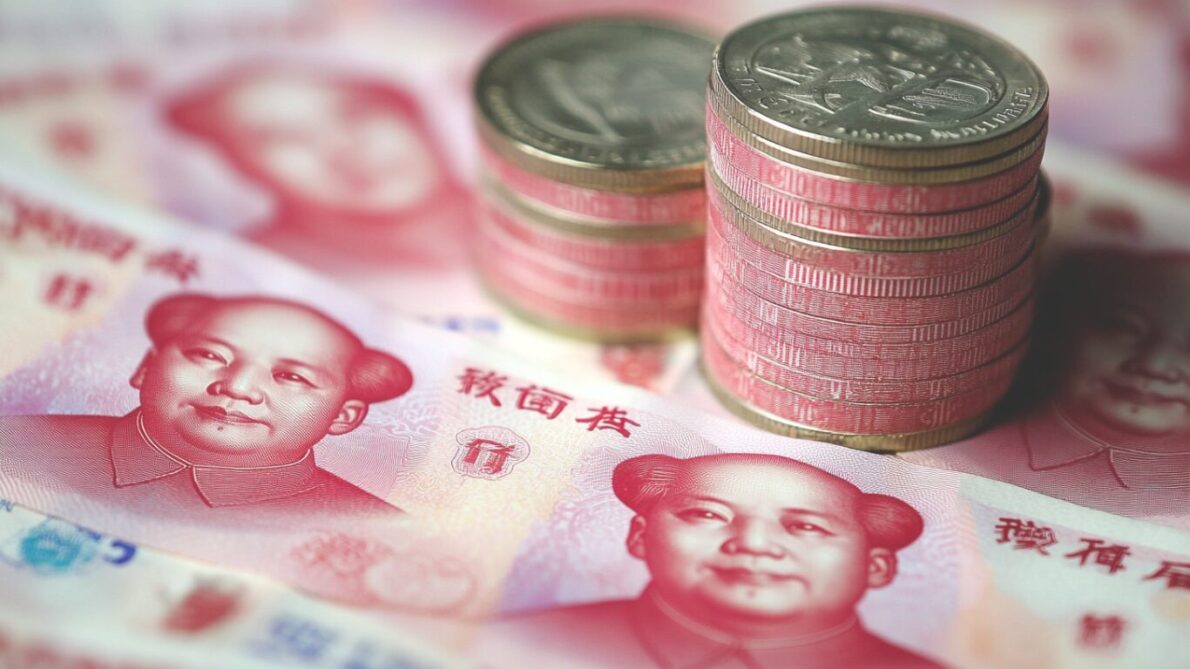

Threat to the Economy: The Brazilian Industry Under Siege from Growing Imports, Risky Investments, and a Certain Future If Urgent Measures Are Not Taken
Brazil is about to face a perfect storm in the industrial sector, with a potential colossal loss of R$ 500 billion in investments by 2027. This alarming information comes from the Coalition Brazil, which represents 14 entities from various economic sectors that issued a warning about the growing import of Chinese products. Among the most concerning items are steel, automobiles, and toys, which flood the market and threaten the Brazilian economy.
“It’s time to act, or we will be swallowed by this avalanche!” This is a concern shared by the experts who make up the Coalition. They emphasize that if the situation regarding imports remains unchanged, 57% of the R$ 825.8 billion forecasted in investments between 2023 and 2027 could disappear. The urgency for government measures is more evident than ever, according to the site terrabrasilnoticias.
Urgent Measures Required by the Coalition Brazil
The Coalition Brazil is not just raising flags; they have also outlined a list of demands. Firstly, representatives from the affected sectors are calling for a more competitive interest rate. Currently, a company faces an average rate of 23% per year, considered exorbitant for a healthy economic scenario. Moreover, it is essential to implement a fairer tax system aligned with expectations for tax reform and create conditions for fair competition to avoid protectionism.
-
A Brazilian city decided to purchase a piece of the Atlantic Forest with more than 153,000 square meters, and owners of preserved areas will be able to submit proposals to transform the forest into a conservation unit.

-
Brazilian siblings aged 11 and 7 read 240 books in just one year and caught attention on social media: while many children spend hours on screens, they turned their family’s routine into an example of reading, discipline, and curiosity.
-
The legendary oak that, according to the story, hid Robin Hood from the Sheriff of Nottingham, died at the impressive age of 1,200 years in England, and the first chilling sign of its end was that no leaves sprouted on the tree this spring.

-
While the world looks at forests, the UN warns that the Earth is also threatened by the silent degradation of natural grasslands and savannas, ecosystems that cover half of the planet, support billions of people, and can exacerbate water, food, and climate crises.


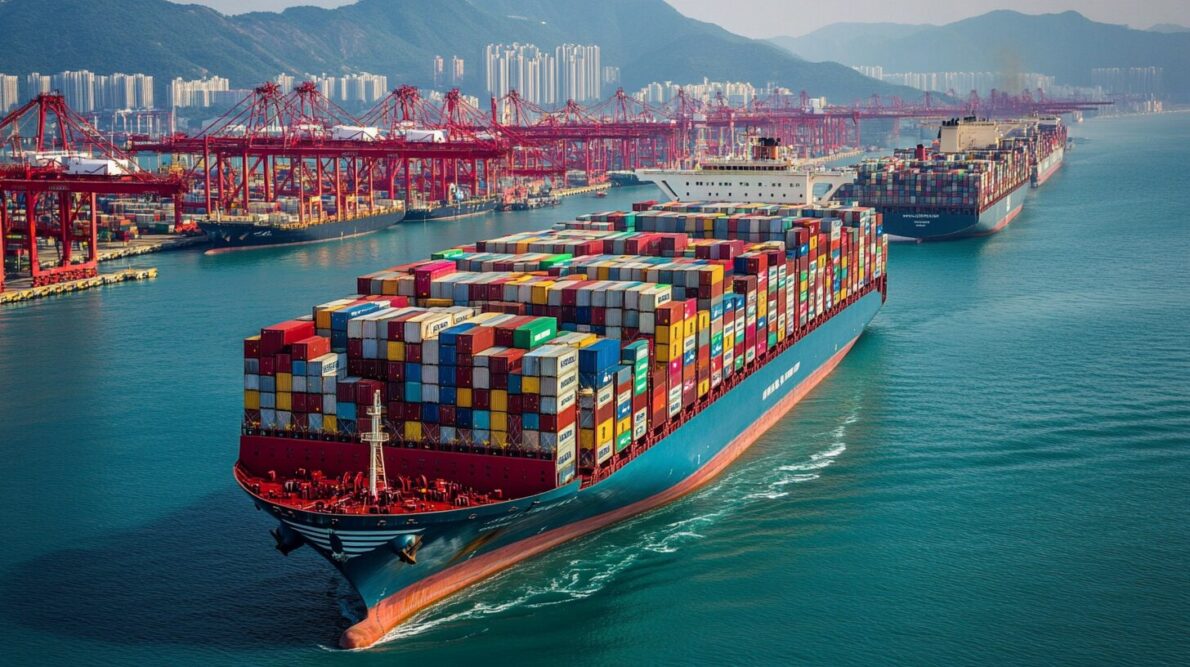
The Impact of Chinese Imports on the National Industry
Marco Polo de Mello Lopes, president of the Brazil Steel Institute, expressed his concern about the directly predatory imports. He compares the situation to a true “Chinese tsunami” that is impacting several segments of the national industry. “The government’s response is crucial to protecting our investments,” he emphasizes.
To make matters worse, in the textile sector, imports increased by 13% in the first half of this year, while national production only grew by 3%. In the automotive sector, the increase in imports of Chinese vehicles reached an impressive 800%. Marcio de Lima Leite, president of Anfavea, highlights that the current scenario may lead to stagnation in the growth of the Brazilian industry.
Why Are Chinese Products Dominating the Market?
The China adopts an aggressive policy to export its production surplus at prices below the market, which harms the local industry. “They are playing with us on a football field where the rules do not apply,” says an expert. Economist Igor Barreto from Itaú explains that the direction of Chinese economic policy is aimed at contributing to the manufacturing industry with a focus on exports.
This scenario is creating an environment where products such as chemicals, semi-finished metals, plastics, and textiles are increasingly being imported, while prices fall, making it impossible for Brazilian manufacturers to compete.
The Future of Brazilian Industry: A Challenge Ahead
The Coalition Brazil is drawing attention to the need for comprehensive measures to protect the national industry. This includes tax simplification, reduction of bureaucracy, and improvement of infrastructure. Additionally, macroeconomic stability is vital to create an environment conducive to investments.
The energy transition and decarbonization are also in focus, considering that the Cost of Brazil amounts to R$ 1.7 trillion in excess spending compared to OECD countries. The invasion of Chinese products is therefore not just an import issue; it is a matter of survival for the Brazilian industry.
Thus, the unchecked import of Chinese products represents a real threat to investments in Brazil’s manufacturing industry. The Coalition Brazil is working tirelessly to alert the government and society about the need for appropriate actions. Collaboration between affected sectors and authorities is crucial to ensure sustainable growth of the Brazilian economy and the protection of local jobs.





comprei um microfone por 170 reais na china porque aqui no Brasil eles cobram 400,00
não ligo de pagar imposto, desde que seja justo.
A outra ponta dessa corta só pensa no lucro e acha que brasileiro tem que ser ****.