






 Portuguese
  Spanish


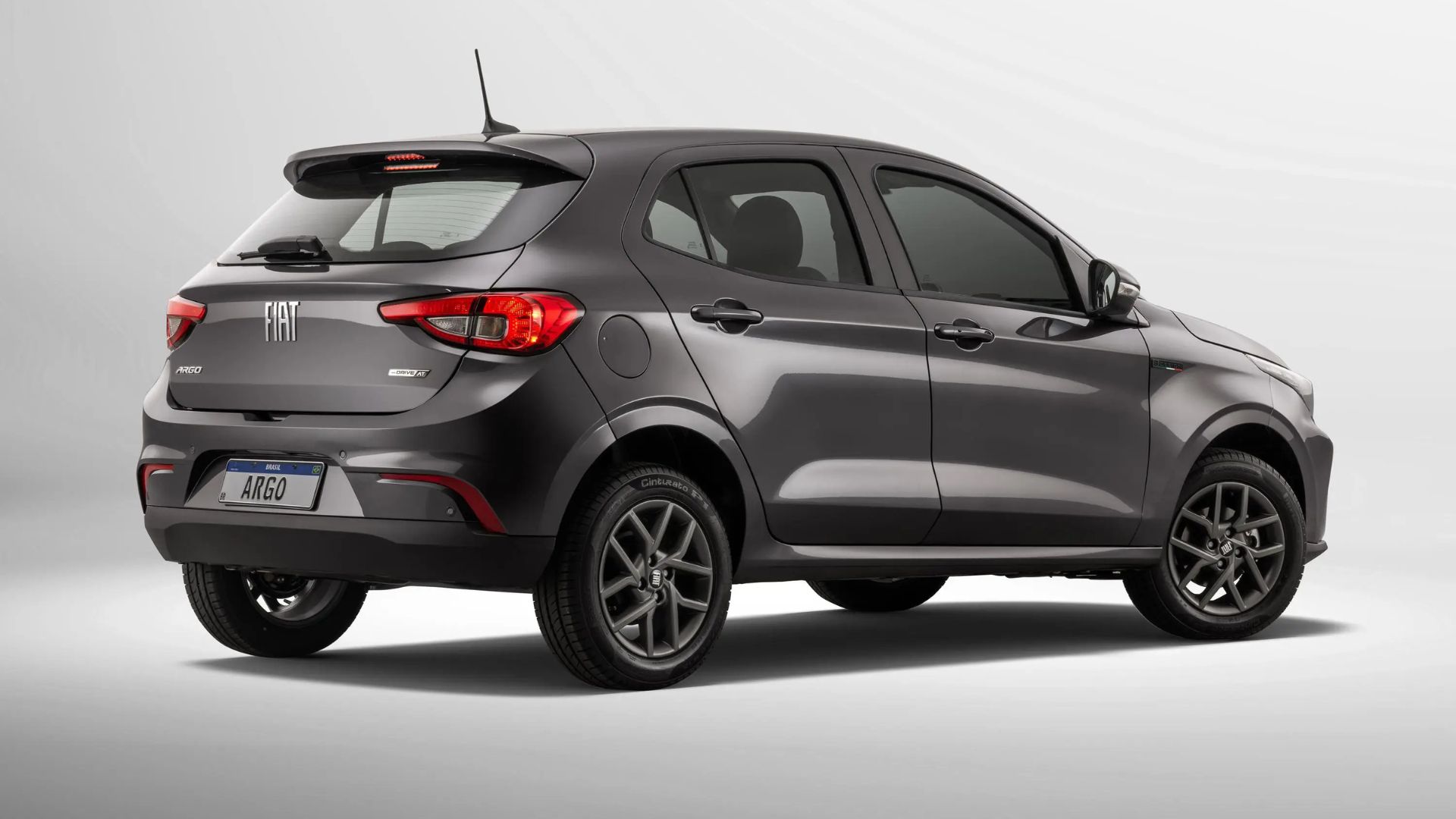

High Price Repositions Compact Hatch, While Efficient Consumption, Simple Mechanics and Urban Proposal Keep the Model Among the Most Sought After in the 1.0 Segment, Reviving the Debate on Cost-Benefit and the Concept of Popular Car in Brazil.
The Fiat Argo 1.0 for the 2026 lineup remains among the most well-known compact hatches in the country, supported by a formula that prioritizes simple mechanics, controlled consumption, and predictable maintenance.
Nonetheless, the price tag close to R$ 92 thousand in certain versions reignites the discussion about what can still be classified as a “popular car” in the Brazilian market.
In practice, the model continues to be aimed at those who need an urban vehicle for daily use, focusing on economy and functionality, without promising performance beyond the essential.
-
Chevrolet Onix 2026 Priced at R$ 86,790 with Discounts, Underpricing Citroën C3; Features 1.0 Engine, 6 Airbags, 8″ MyLink, Wi-Fi, and OnStar

-
Fiat Mobi Price Nears $18,000 in Brazil: Entry-Level Hatch with 1.0 Firefly Engine, Manual Transmission, and Stability Control Sees $400 Increase.

-
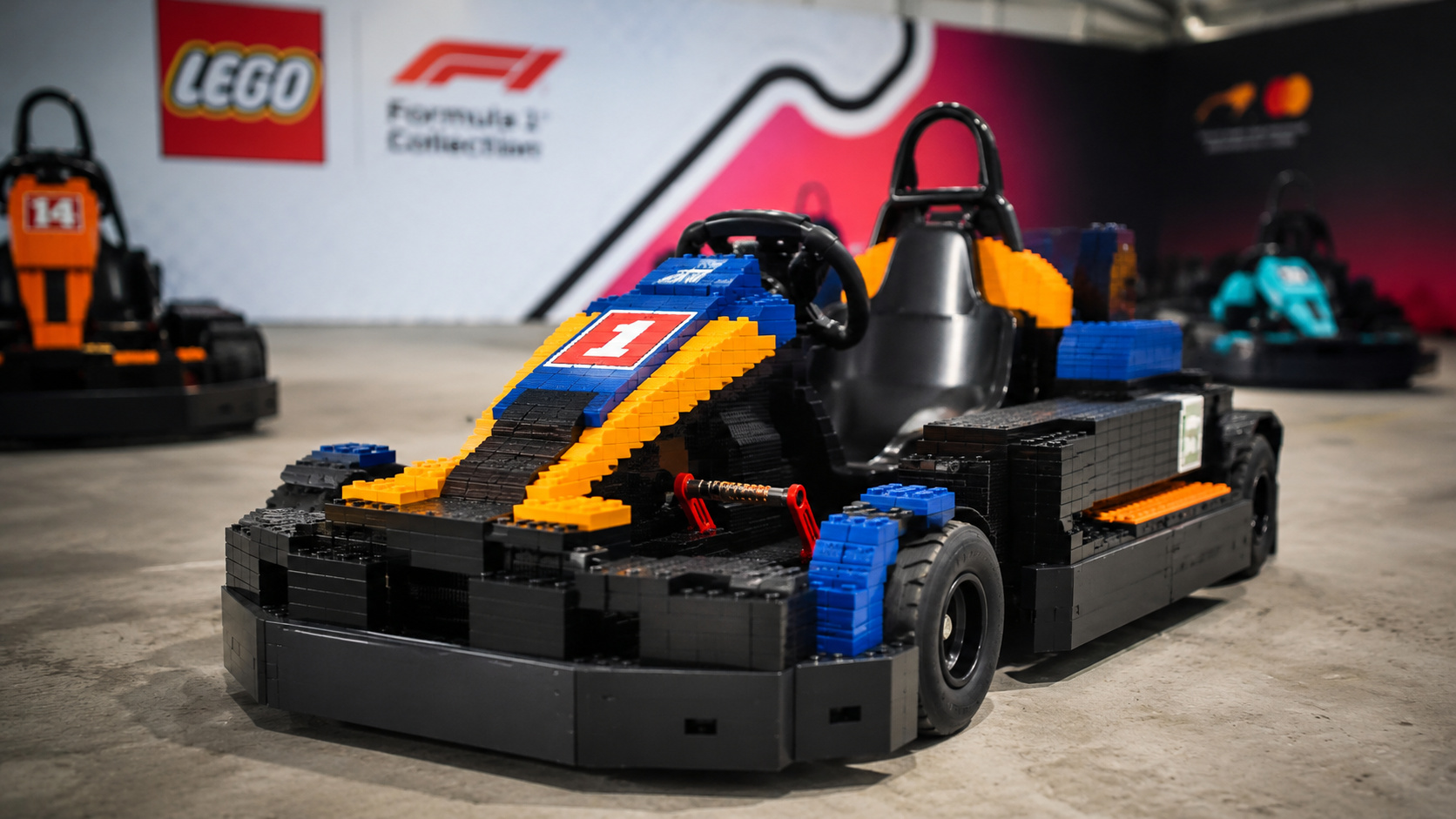
F1 Puts Drivers in Lego Cars at Silverstone, but Max Verstappen Criticizes the Idea Directly

-
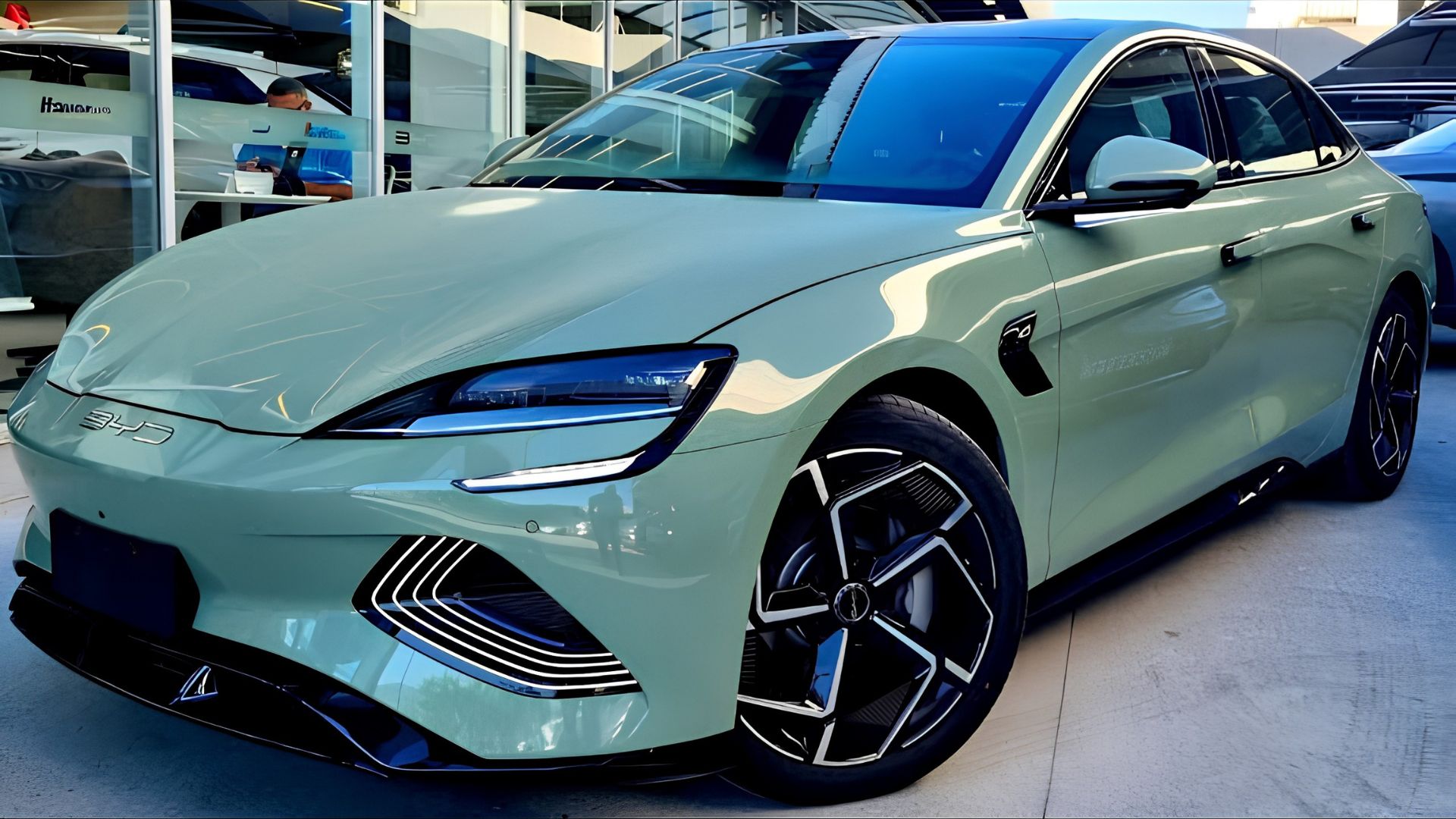
BYD’s All-Electric Sedan with 530 HP and 0-100 km/h in 3.8 Seconds Becomes a Used Car Bargain After Depreciating by R$ 117,000


Positioning of the Fiat Argo 1.0 in the Market in 2026
Within the Argo range, the 1.0 versions with manual transmission represent the entry point for the model.
When the price is around R$ 92,990, the reference usually is the Argo Drive 1.0 manual, which adds some features compared to the most basic configuration, but retains the same mechanical set.
1.0 aspirated three-cylinder engine, flex operation, and five-speed manual transmission remain as the project’s basis.
This framing helps explain why the Argo 1.0 frequently appears among first car options, fleet use, and work routines.

The proposal is to offer a functional package for urban and light road travel, with costs more predictable than those found in turbocharged or automatic models.
Firefly 1.0 Engine and Daily Use Performance
The Argo 1.0 uses the 1.0 Firefly three-cylinder engine, already known in the national market.
In the most common calibration, the power reaches 75 hp with ethanol, while the torque reaches 10.7 kgfm, typical numbers for a 1.0 aspirated engine aimed at efficiency.
The five-speed manual transmission completes a widely used set in the entry segment.
In daily use, the result is a coherent behavior for urban traffic and speeds compatible with the car’s proposal.
In accelerations or more demanding climbs, especially with the vehicle loaded, the driver needs to resort to more frequent gear shifts, something expected in this category.
The focus, therefore, is not on breath but on mechanical simplicity.
Fuel Consumption According to Official Data

Energy efficiency remains one of the main arguments for the Argo 1.0.
According to the official data from the Brazilian Vehicle Labeling Program, the manual version records 13.6 km/l in the city and 14.5 km/l on the highway with gasoline.
With ethanol, the indicated numbers are 9.4 km/l in urban use and 10.4 km/l on highways.
These values may vary according to version, model year, and usage conditions, but serve as standardized references for comparison.
In daily life, factors such as traffic, tire pressure, load carried, air conditioning use, and driving style directly influence real consumption.
Still, the official data help position the model within its segment.
Simple Maintenance and Cost Predictability
When talking about uncomplicated maintenance, the highlight falls on the low technical complexity of the mechanical set.

The combination of aspirated engine, manual transmission, and architecture already widespread in the country tends to facilitate diagnostics, parts replacement, and access to specialized labor.
This scenario is particularly relevant outside the major urban centers.
In the maintenance history of the model, intervals for reviews and oil changes appear every 10,000 km or 12 months, a common standard in the industry.
For the owner, this represents greater predictability of expenses over time.
Interior Space, Trunk and Urban Use
In terms of dimensions, the Argo remains within the standard of compact hatches.
The trunk of 300 liters usually accommodates everyday shopping, weekend luggage, and the routines of small families.
In the cabin, four adults travel with reasonable comfort, while a fifth occupant is more limited, especially on long trips.
The compact dimensions favor maneuvers and parking in urban areas.
On the other hand, acoustic comfort and road performance reflect design choices aligned with the proposal of an essentially functional car.


Price of R$ 92 Thousand and the Debate on Cost-Benefit
The value close to R$ 92,990, associated with the Argo Drive 1.0, is the factor that weighs most in the cost-benefit analysis.
From this range, consumers stop looking solely at basic 1.0 hatches and begin to consider more equipped versions of competitors, as well as used cars in higher categories.
Even within the Argo itself, differences between the suggested price and the prices practiced in campaigns or negotiations can significantly alter the purchase decision.
Apart from occasional promotions, the scenario repeats itself: the price rises while the mechanical package remains true to a basic proposal.
With efficient consumption and predictable maintenance, the Argo 1.0 maintains the profile of a rational car, but, with prices nearing R$ 92 thousand, to what extent does the concept of a popular car still hold for today’s buyers?


